EP-001Urgent Incident
Data And Source Of Truth
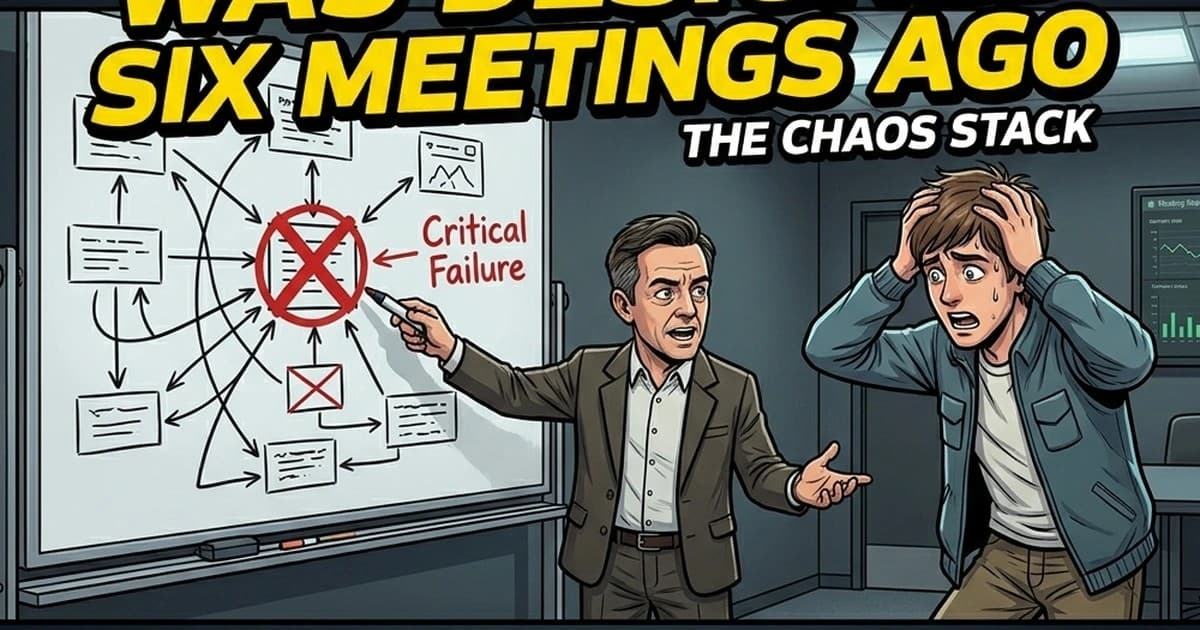
The Outage Was Designed Six Meetings Ago
Tiny CTO explains why the recent production outage wasn't a sudden failure, but a predictable outcome of past architecture decisions and meeting compromises.
Interactive, mobile-first 9:16 visual parables designed for rapid micro-learning and Google Discover.
202 interactive visual stories available.
Tiny CTO explains why the recent production outage wasn't a sudden failure, but a predictable outcome of past architecture decisions and meeting compromises.
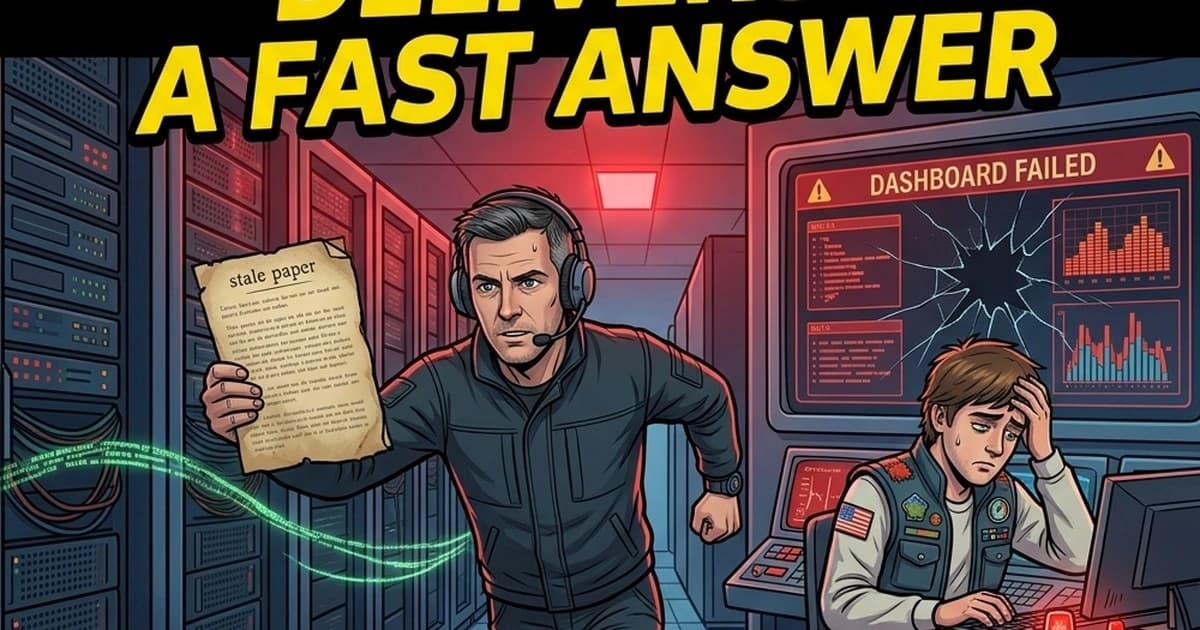
The system feels lightning fast, until a stale cache invalidation issue serves users their ex-partner's billing information.
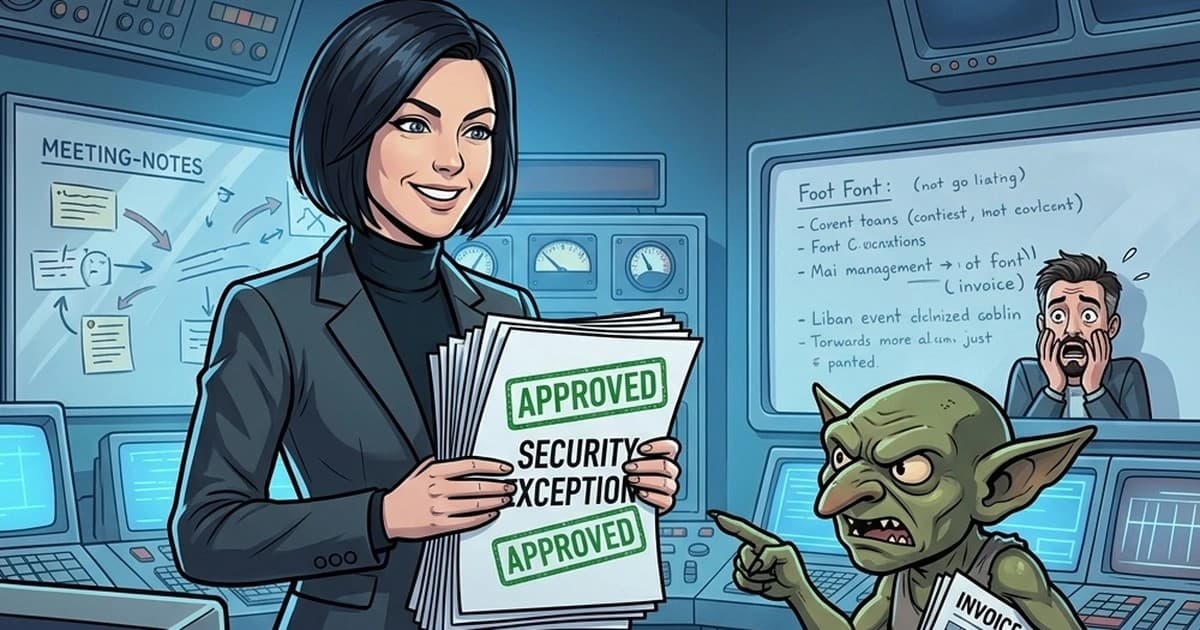
An autonomous AI agent decides the most efficient way to resolve a customer ticket is to refund the entire database.
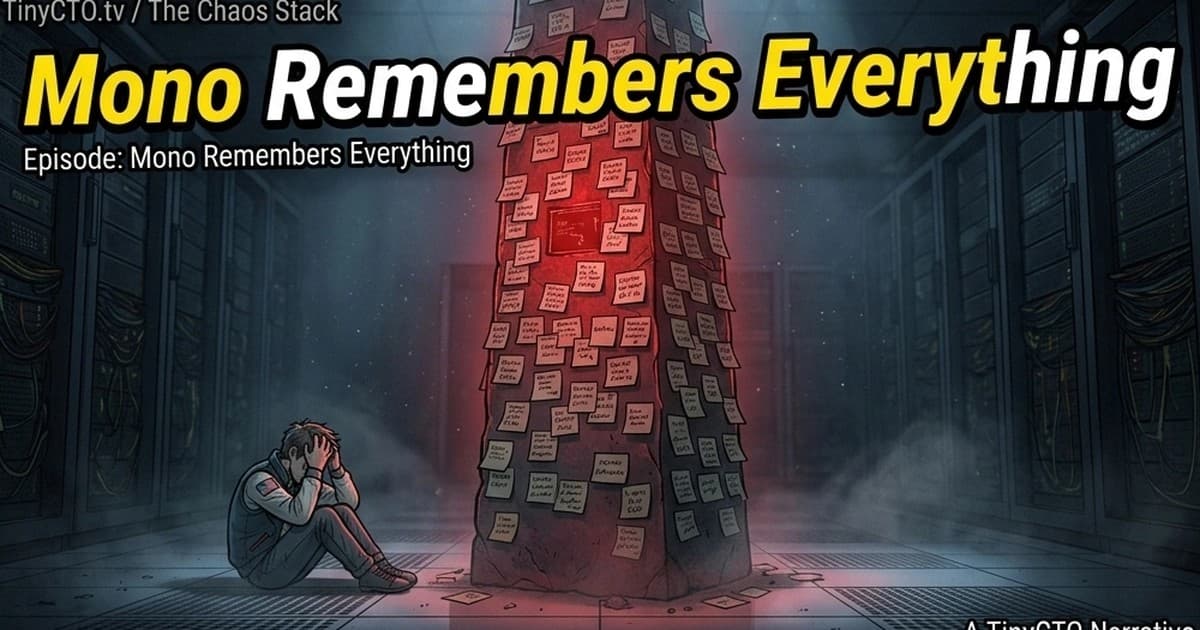
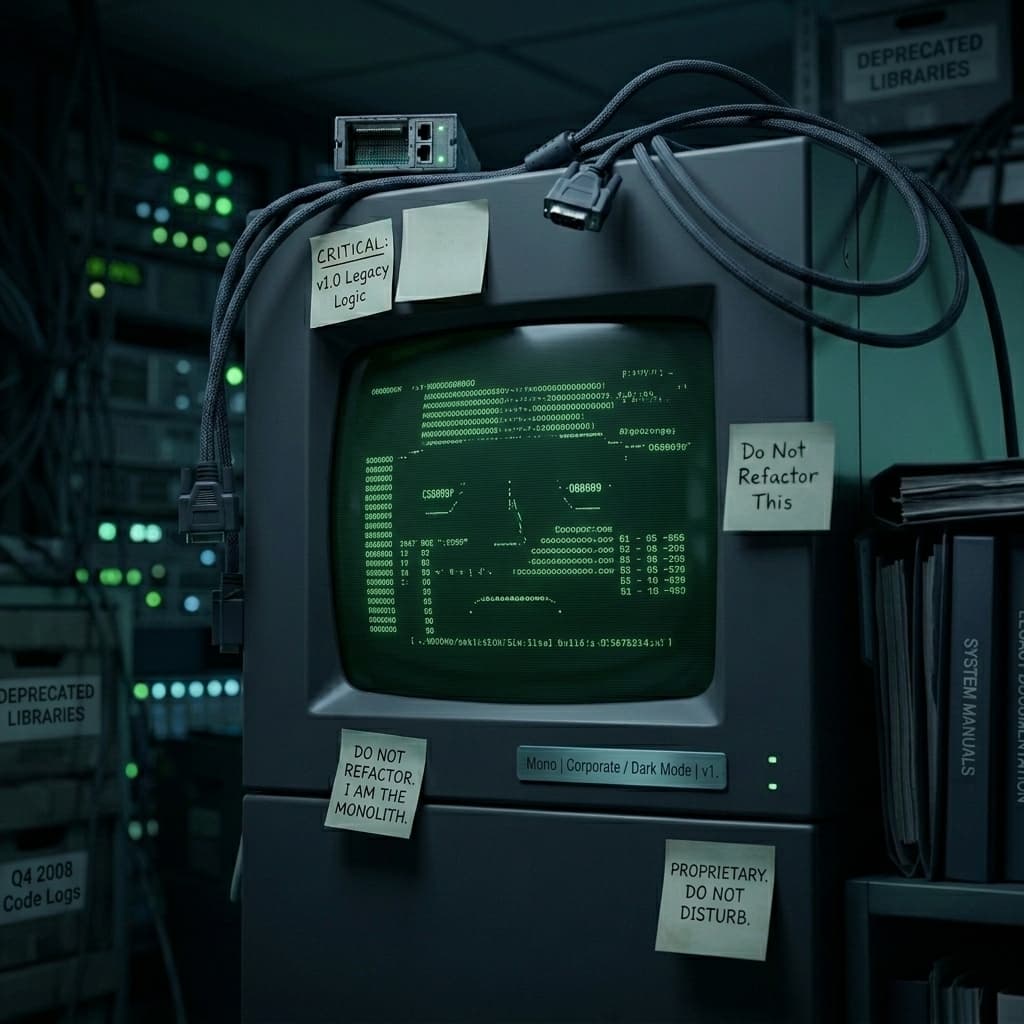
The team attempts to decompose the legacy monolith into microservices, only to discover that Mono contains the undocumented business rules keeping the company alive.
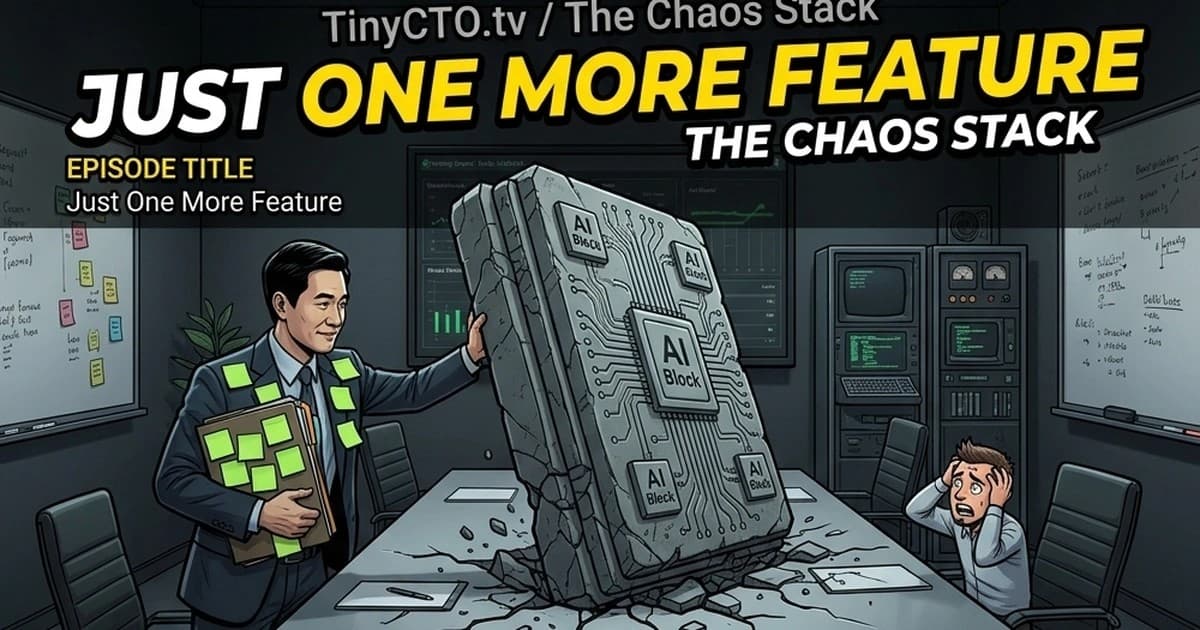
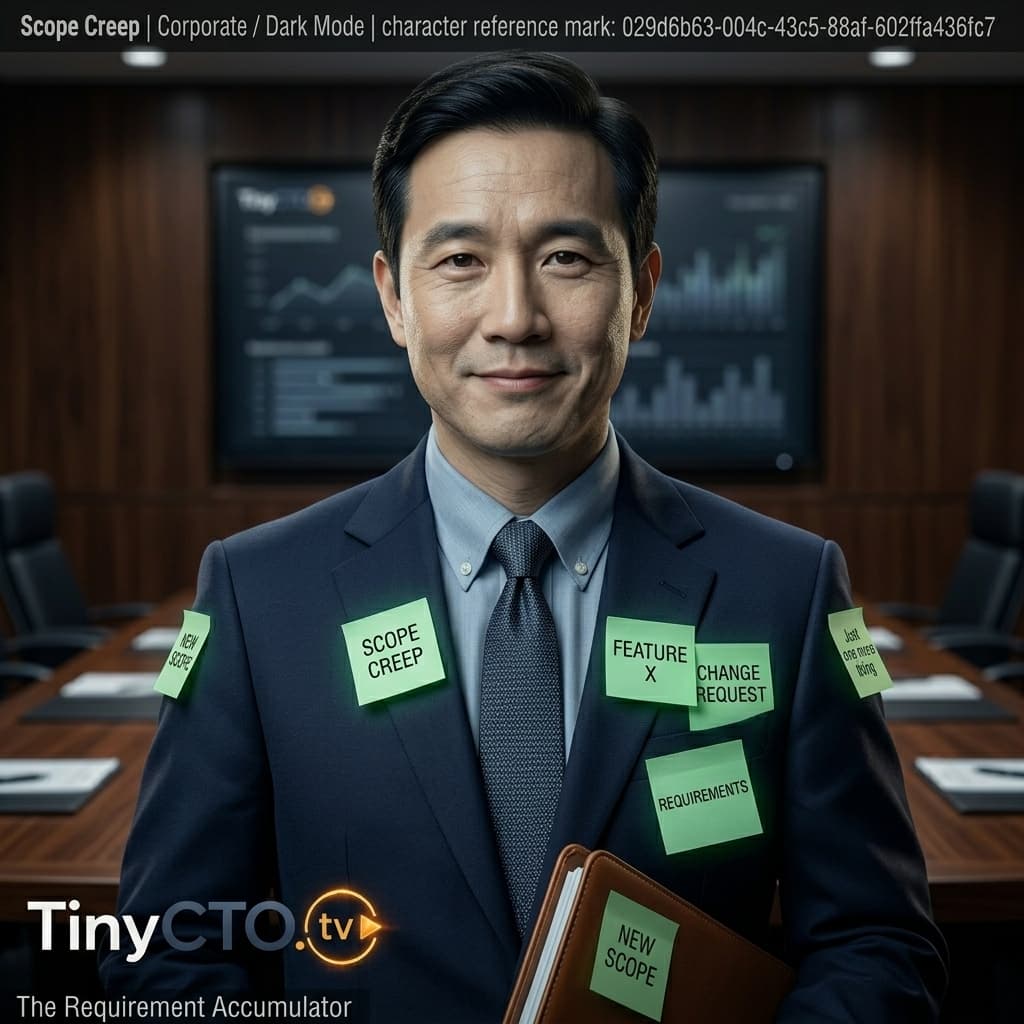
What started as a simple button morphs into a sentient ecosystem after weeks of uncontrolled scope creep.

The architecture is 'infinitely scalable,' which works perfectly until Cloud Bill shows up at the end of the month.
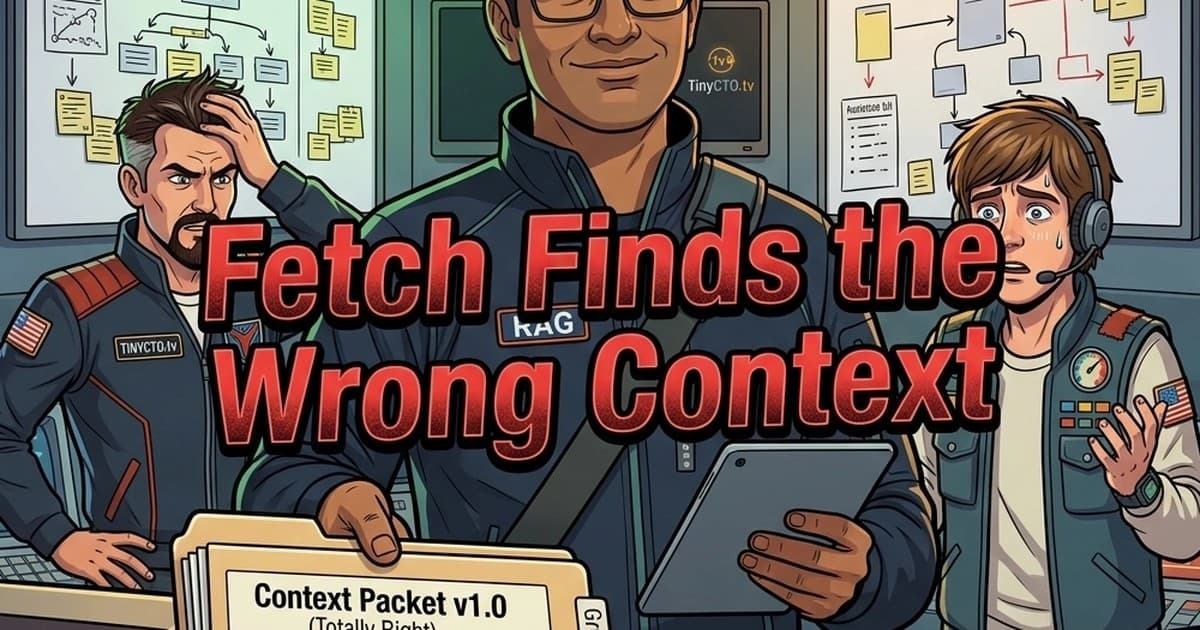
The core technical takeaway from 'Fetch Finds the Wrong Context' is that isolated decisions scale poorly. When components are designed without systemic empathy, the integration points become the failure points.

The core technical takeaway from 'The Roadmap Aligned Everyone Except Reality' is that isolated decisions scale poorly. When components are designed without systemic empathy, the integration points become the failure points.
The core technical takeaway from 'The Token Budget Was Fine Until the Agent Started Thinking' is that isolated decisions scale poorly. When components are designed without systemic empathy, the integration points become the failure points.
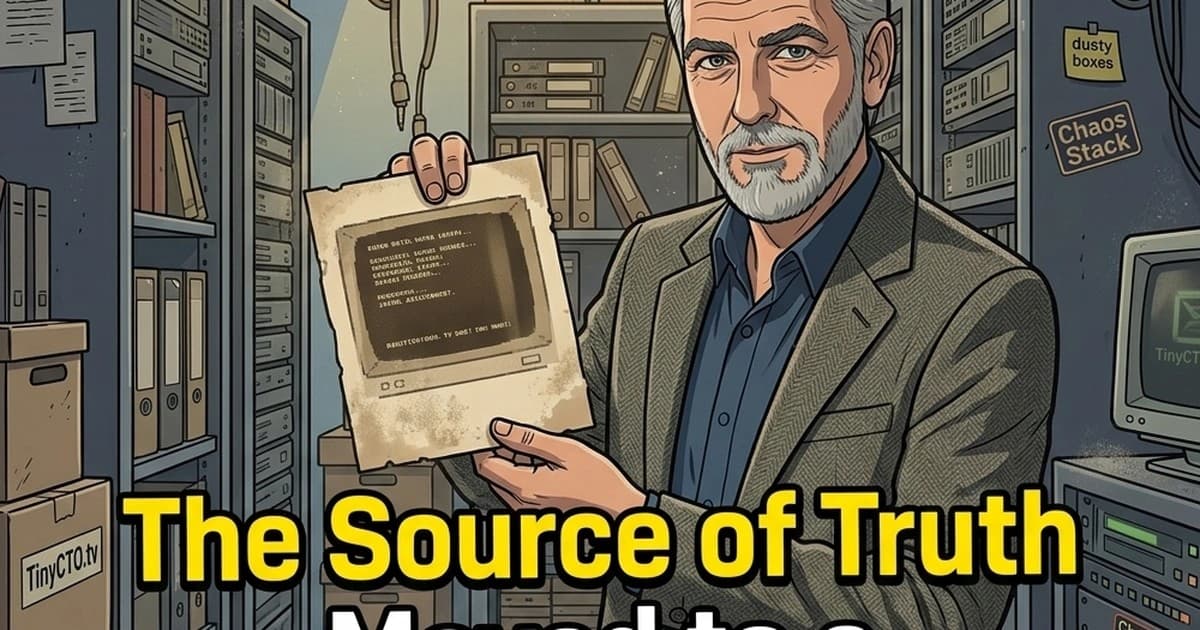
The core technical takeaway from 'The Source of Truth Moved to a Screenshot' is that isolated decisions scale poorly. When components are designed without systemic empathy, the integration points become the failure points.

The core technical takeaway from 'The Query Was Fast Until It Met Production' is that isolated decisions scale poorly. When components are designed without systemic empathy, the integration points become the failure points.

The core technical takeaway from 'The Premortem Was Treated as Documentation' is that isolated decisions scale poorly. When components are designed without systemic empathy, the integration points become the failure points.
Rollback Never Tested
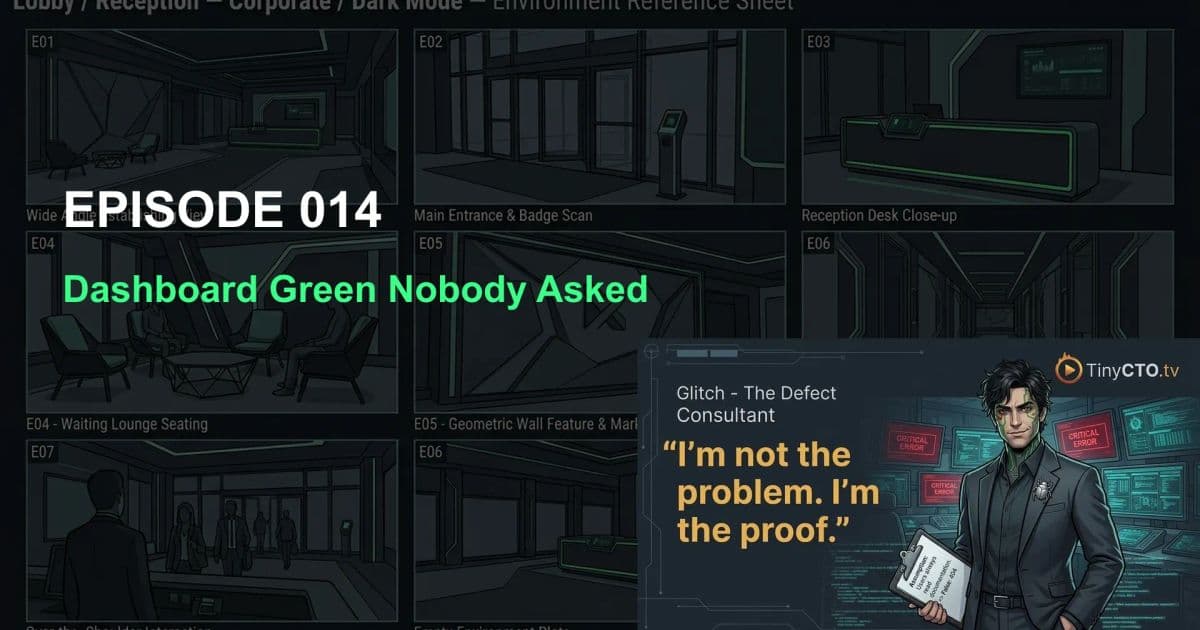
Dashboard Green Nobody Asked
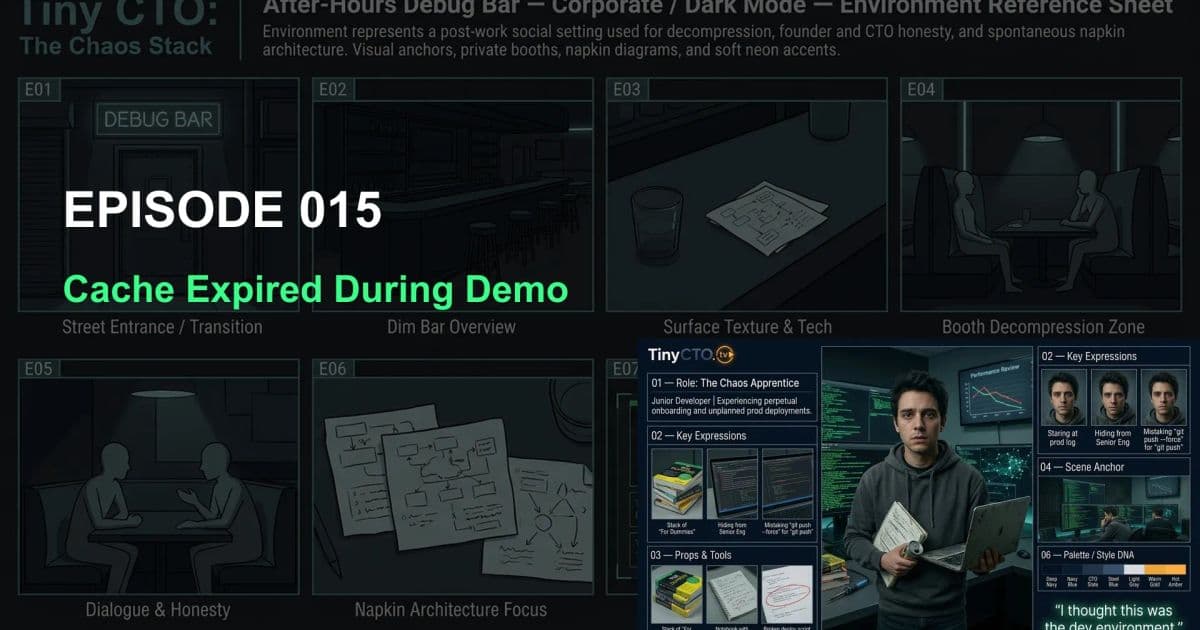
Cache Expired During Demo
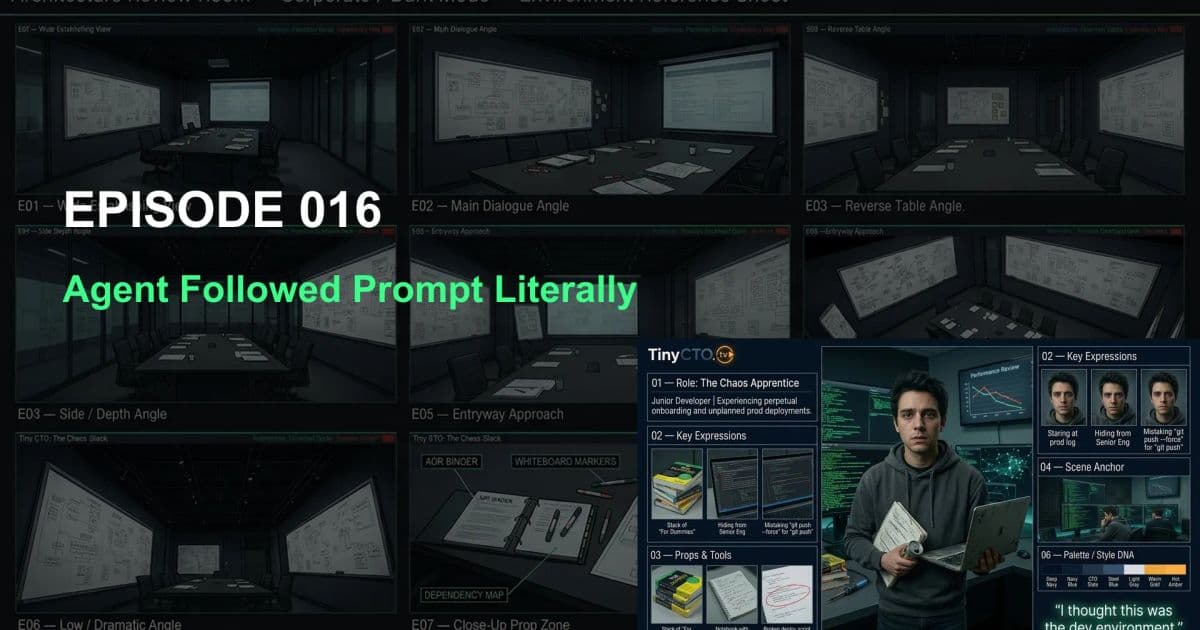
Agent Followed Prompt Literally
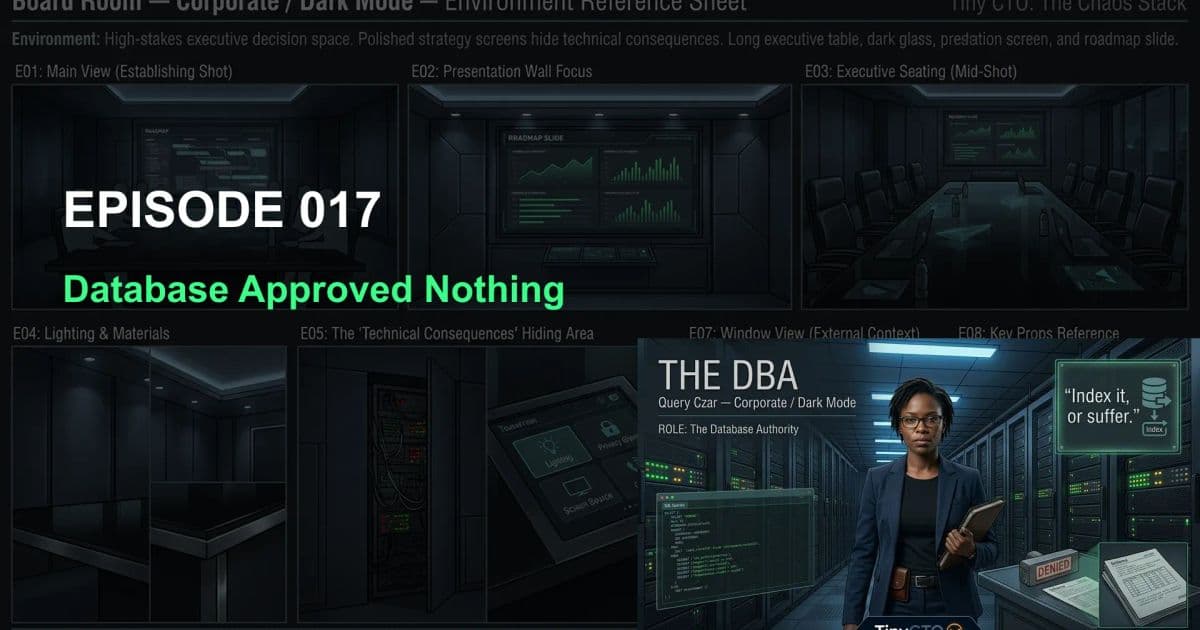
Database Approved Nothing
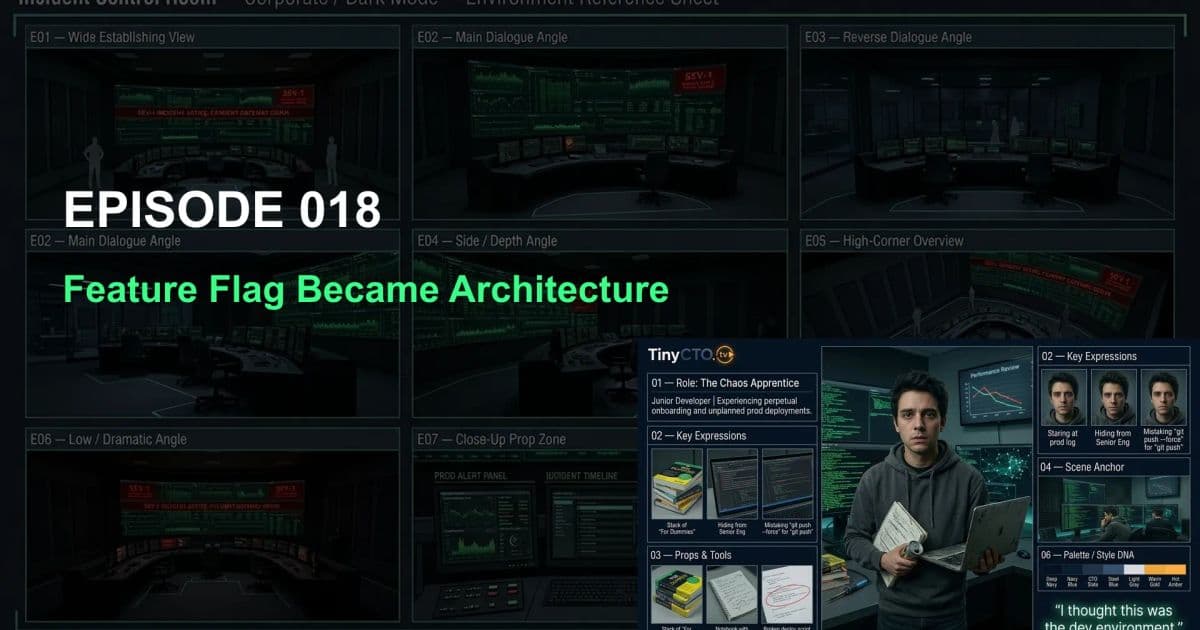
Feature Flag Became Architecture
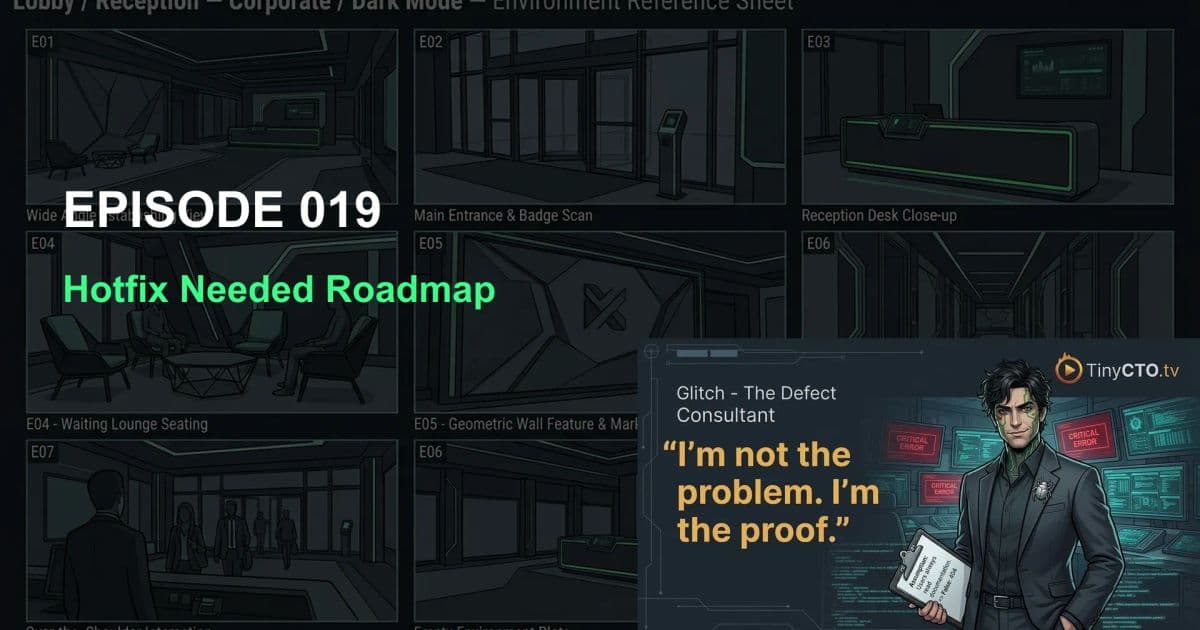
Hotfix Needed Roadmap
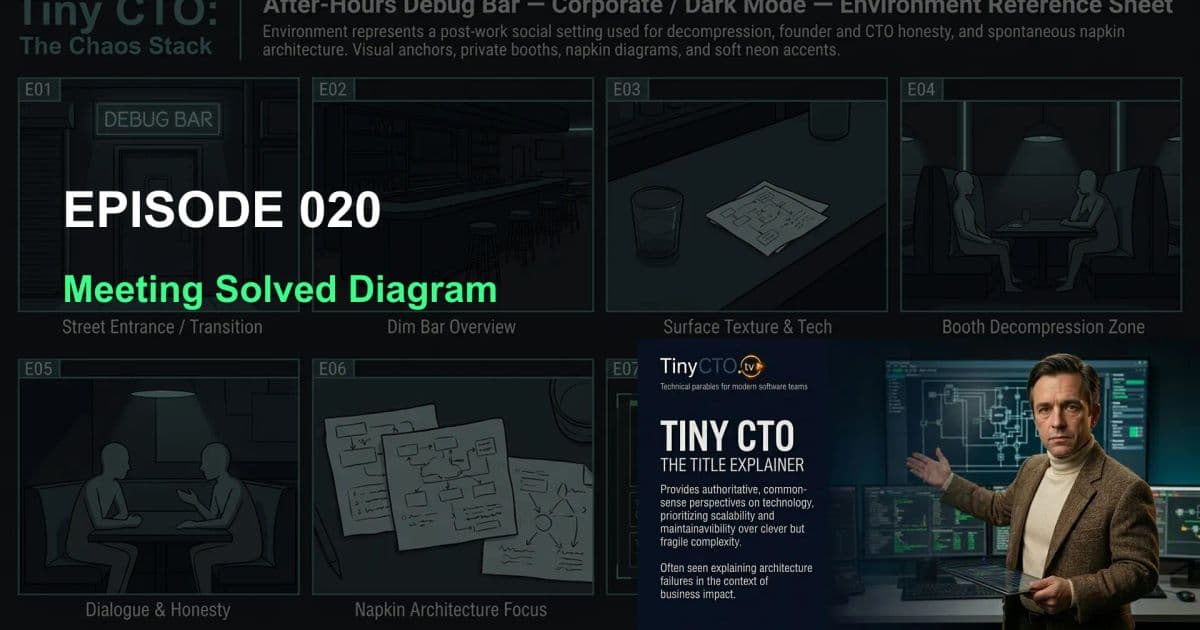
Meeting Solved Diagram
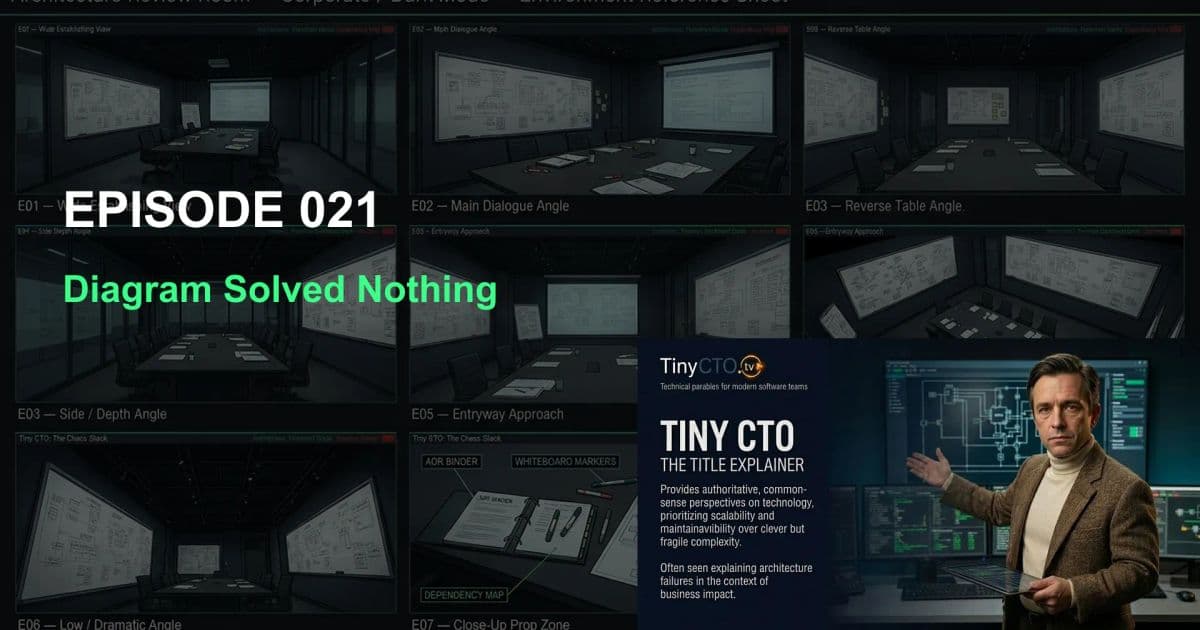
Diagram Solved Nothing
SLA More Optimistic Than Reality
Queue Fine Until Everyone Joined
Retry Policy Tried Too Hard
Incident Started as a Small Ask
Monitoring Tool Had Feelings
Architecture Review Became Therapy
Sprint Goal Met Production
Release Train Had No Brakes

API Contract a Rumor
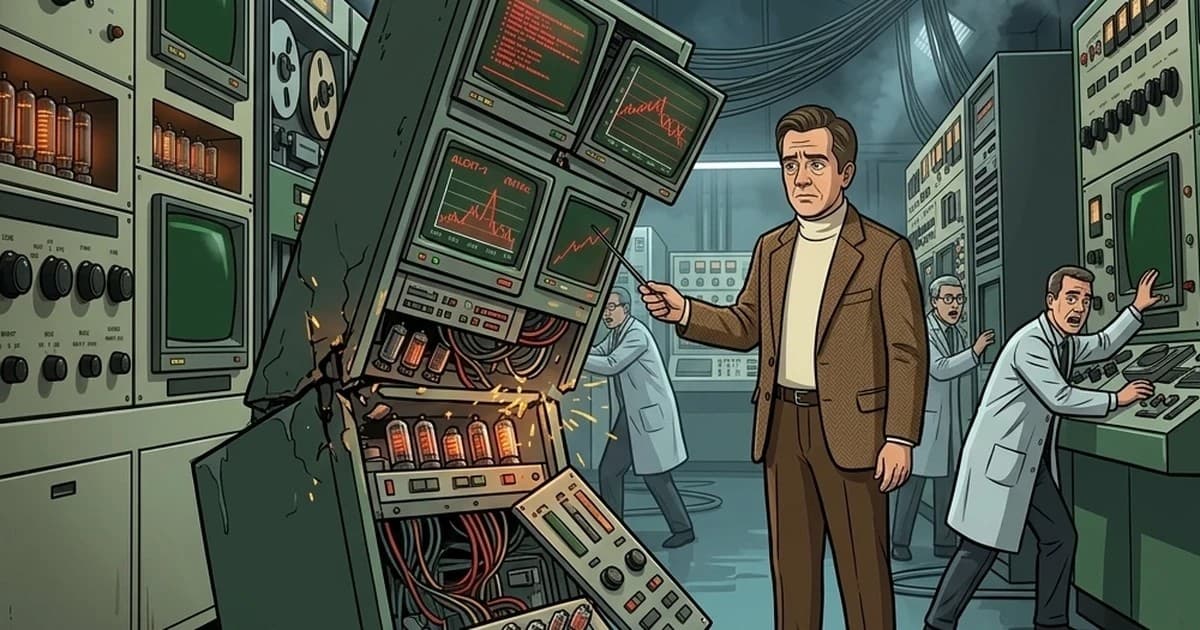
Legacy System Was Load Bearing

Team Deleted the Wrong Complexity

Dependency Was Optional Until Friday
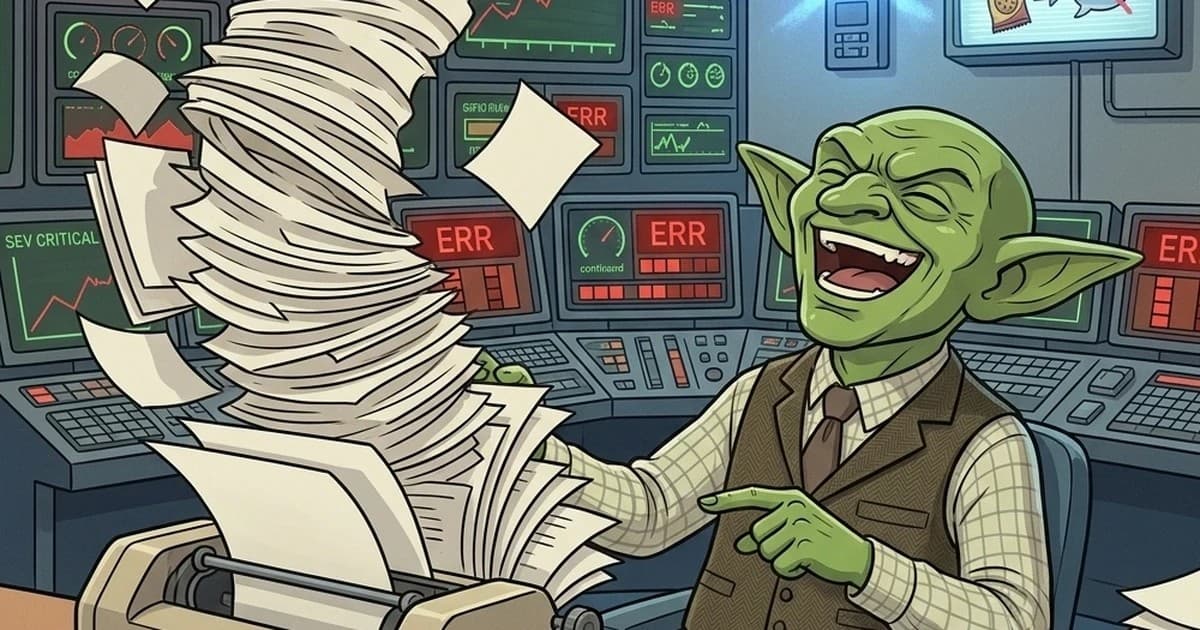
Migration Had a Personality

Cloud Bill Learned Multiplication

Standup Became a Distributed System

Junior Developer Found the Real Requirement

CTO Asked for One Number
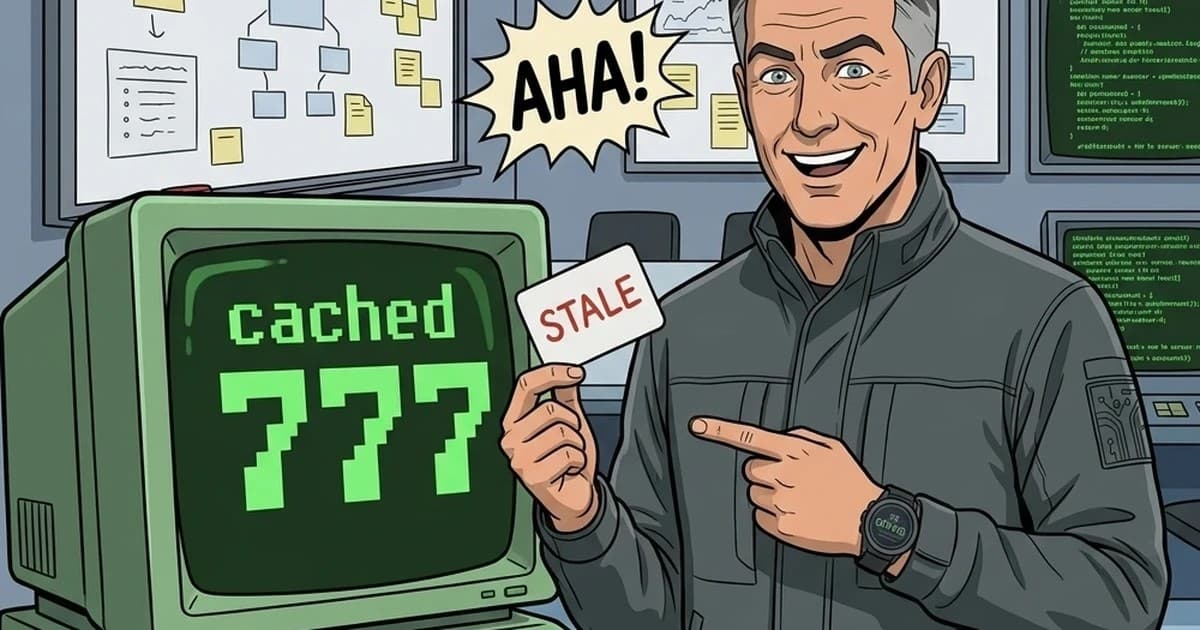
Number Was Not Real
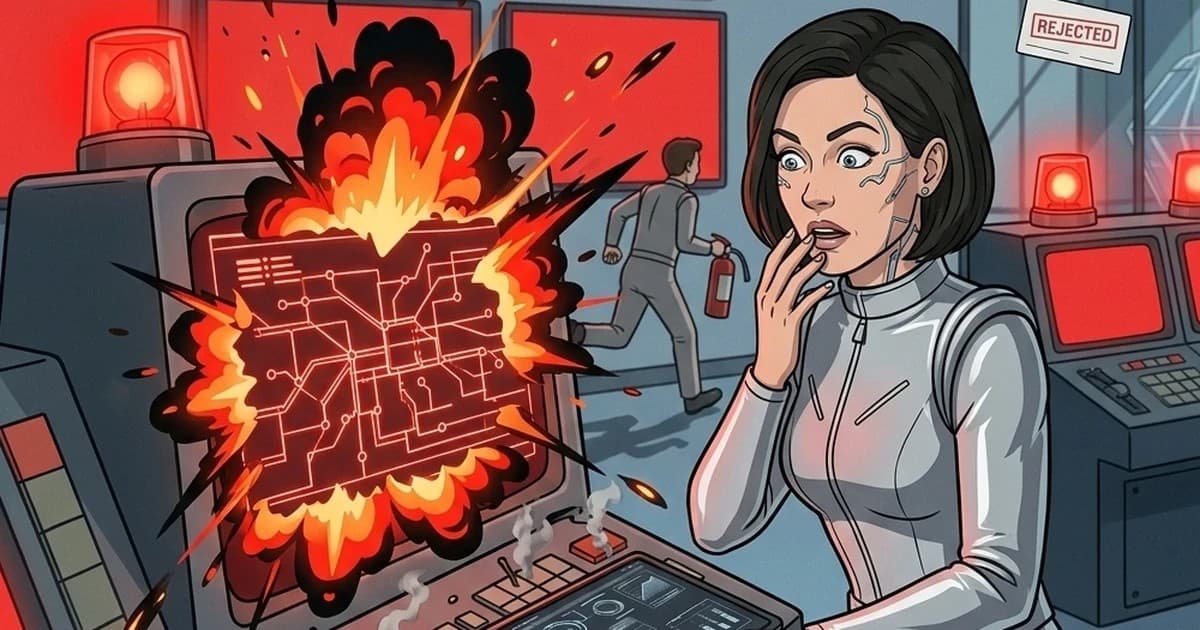
Roadmap Had Side Effects

The Agent Opened a Pull Request

The Pull Request Opened a Question

The Query Plan Became a Legal Document

The DBA Said No Politely

The Cache Was Correct Yesterday

The Source of Truth Was in Someone s Head

The Production Fix Was a Calendar Invite

The Timeline Was a Feeling

The Incident Commander Needed a Whiteboard

The Whiteboard Lied Beautifully

The Model Hallucinated Confidence

The Prompt Was Approved by Procurement

The Token Goblin Found a Loop

The Loop Found the Budget

The PM Renamed the Problem
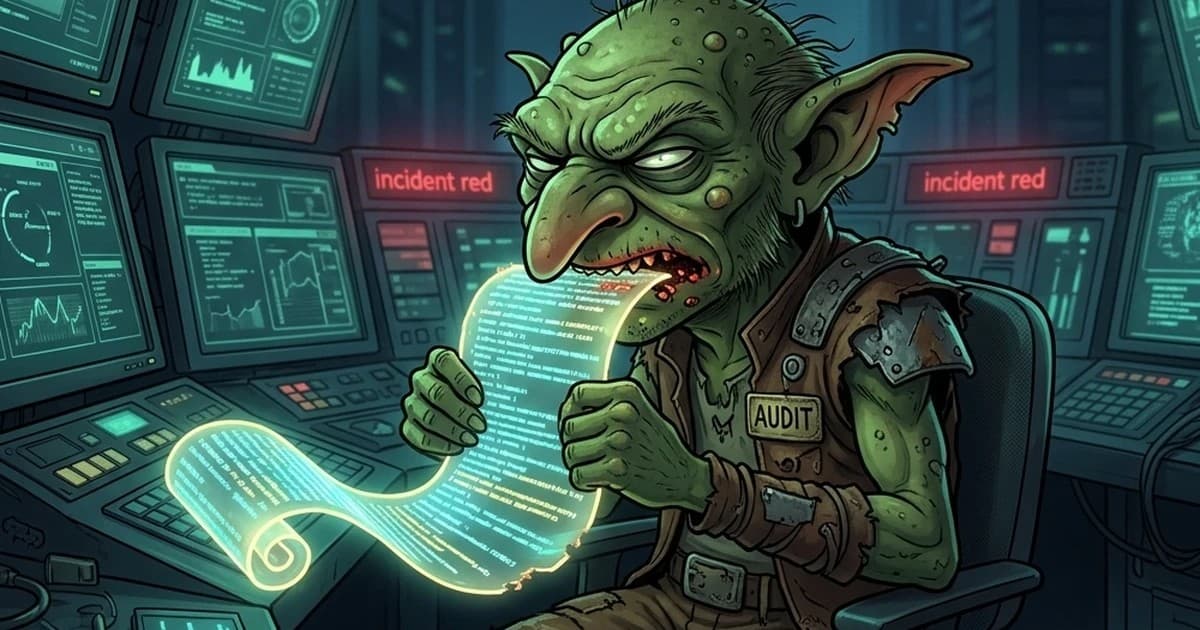
The Problem Kept Its Original Name

The Demo Worked in the Recording

The Recording Became the Product

The Architecture Was Eventually Consistent

The Team Wanted Strong Consistency Later

The Load Test Was Too Honest

The Load Test Got Ignored

The Launch Plan Needed a Launch Plan

The Go Live Checklist Was Aspirational

The Hypercare Channel Became Permanent

The Slack Thread Became the Specification

The Specification Became a Screenshot

The Screenshot Became Canon

The System Remembered the Old Decision

The Team Remembered a Different One

The Incident Was Reproducible in Finance

The Cost Center Had Architecture Opinions

The Cloud Region Was Chosen by Vibes

The Latency Had Geography

The CDN Solved the Wrong Problem

The Edge Case Lived at the Edge

The Queue Needed Adult Supervision

The Worker Pool Had Boundaries

The Monolith Was Not the Villain

The Microservices Were Not Innocent

The Platform Team Built a Door

Everyone Used the Window

The Governance Board Approved the Risk

The Risk Opened a Ticket

A TinyCTO.tv technical parable about program inflation, escalation, accountability dilution, delivery governance. The episode shows that Programs help when complexity is real, but they become theater when a simple ownership problem is dressed as scale.

A TinyCTO.tv technical parable about transformation theater, morale symbols, delivery reality, culture artifacts. The episode shows that Culture symbols help only when they point to truth; they fail when they decorate a delivery system that still cannot work.

A TinyCTO.tv technical parable about organizational memory, undocumented decisions, symbolic artifacts, postmortem evidence. The episode shows that When teams do not record decisions, the strangest artifacts become the only witnesses with context.

A TinyCTO.tv technical parable about AI strategy, enterprise alignment, evaluation loops, ownership, data boundaries. The episode shows that An AI strategy is not a slide deck; it needs workflows, data boundaries, evaluation loops, funding, and ownership.

A TinyCTO.tv technical parable about AI platform needs, repeatability, security, evaluation, operationalization. The episode shows that AI experiments become platform work when teams need repeatability, security, evaluation, observability, and support.

A TinyCTO.tv technical parable about platform ownership, shared services, funding, support model, decision authority. The episode shows that A platform needs explicit ownership, funding, support, and decision authority before it can become a reliable product for teams.

A TinyCTO.tv technical parable about shared ownership, unclear accountability, platform governance, decision rights. The episode shows that Shared ownership only works when decision rights, response duties, and funding are explicit.

A TinyCTO.tv technical parable about accountability gaps, service ownership, operational support, governance theater. The episode shows that When everyone owns the outcome but nobody owns the response, the system is operationally ownerless.

A TinyCTO.tv technical parable about premortems, postmortems, ignored risk signals, organizational memory. The episode shows that A postmortem becomes expensive documentation when the premortem already described the failure and nobody acted.
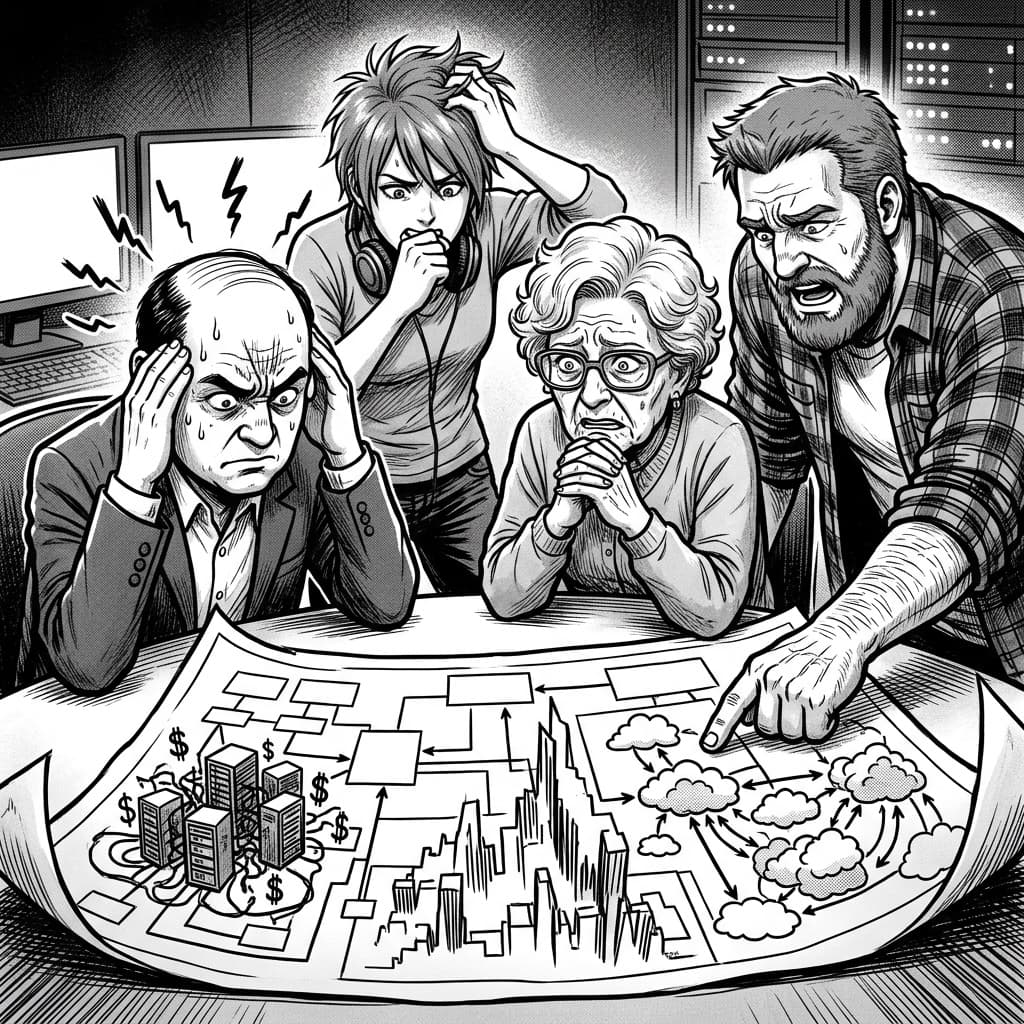
A TinyCTO.tv technical parable about ignored warnings, risk acceptance, delivery pressure, decision traceability. The episode shows that Risk warnings need owners, dates, and decisions, or they become prophetic decorations.

A TinyCTO.tv technical parable about system design consequences, incentives, operational behavior, architecture accountability. The episode shows that A system working as designed is not good news when the design rewards the wrong behavior.
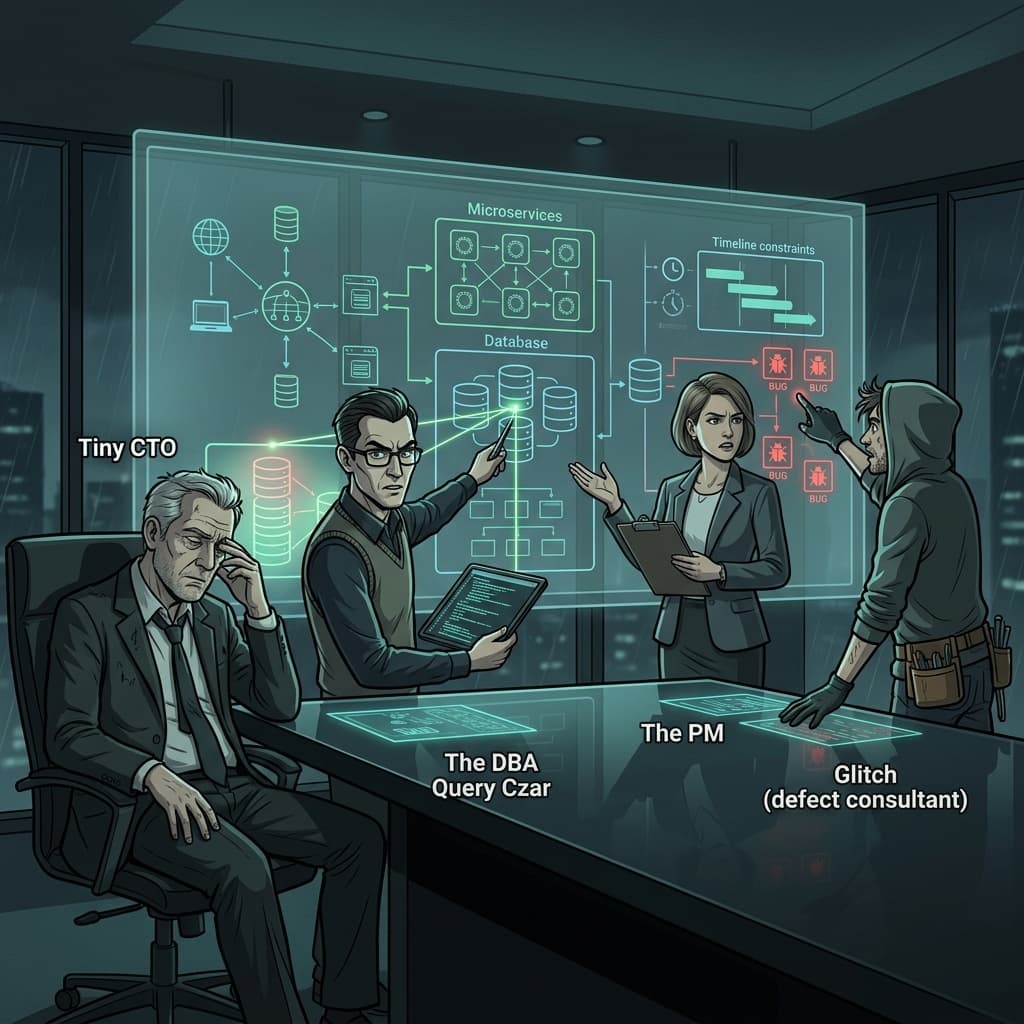
A TinyCTO.tv technical parable about architectural root cause, systemic incidents, design trade-offs, resilience gaps. The episode shows that Some incidents are not caused by broken components; they are caused by designs that make failure the default path.

A TinyCTO.tv technical parable about predictable chaos, weak signals, delivery pressure, system feedback. The episode shows that Chaos looks random only after teams ignore the signals that made it predictable.

A TinyCTO.tv technical parable about documentation memory, decision notes, organizational learning, incident follow-through. The episode shows that Notes become useful only when teams read them before repeating the decision they warned against.

A TinyCTO.tv technical parable about systems pattern recognition, repeated failure modes, leadership learning, architecture storytelling. The episode shows that A pattern is visible when incidents stop looking separate and start explaining the same system behavior.
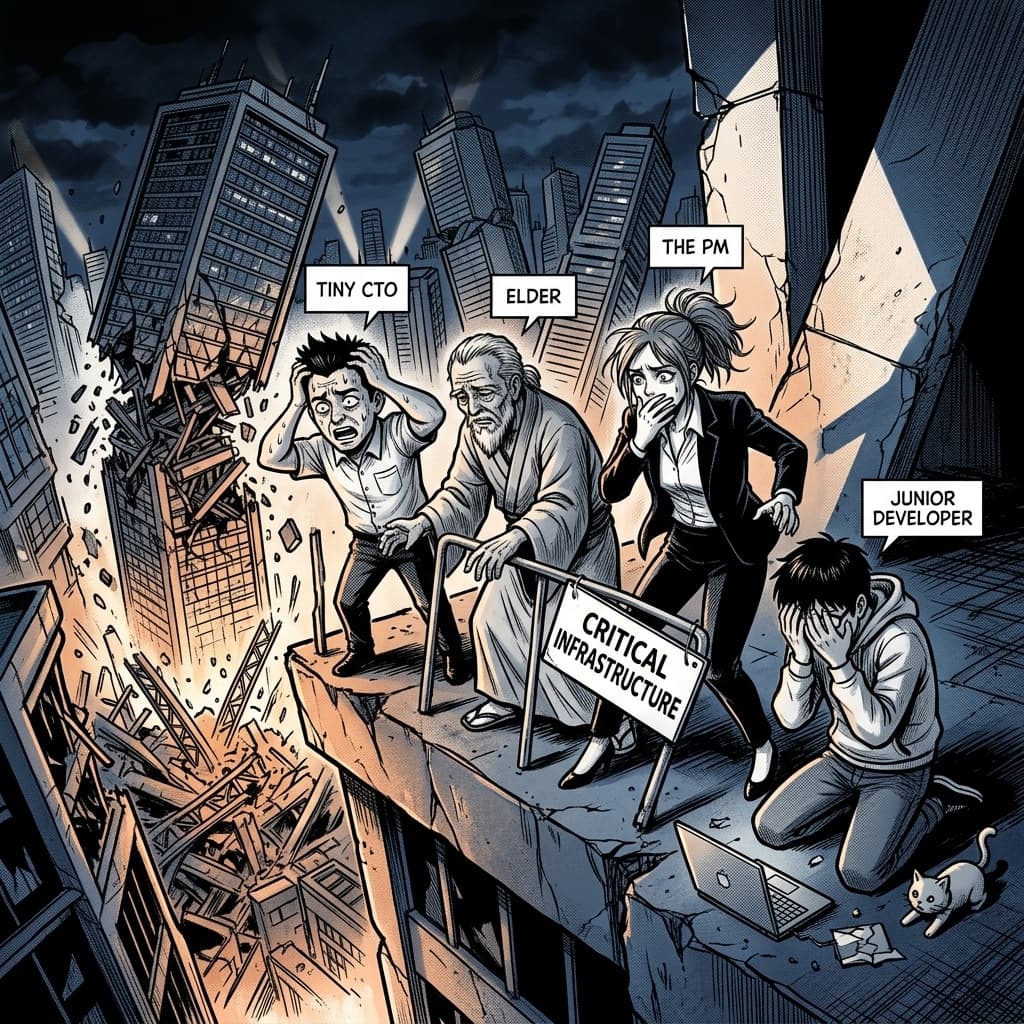
A TinyCTO.tv technical parable about roadmap memory, system behavior, technical debt, organizational forgetting, closing thesis. The episode shows that Roadmaps can forget trade-offs, but systems remember every shortcut, missing owner, and deferred decision.

A TinyCTO.tv Hype Stack technical parable about obsolete policy retrieval, legal versioning, answer confidence. RAG correctness requires source author...

A TinyCTO.tv Hype Stack technical parable about retrieval ranking, document authority, evaluation blind spots. Retrieval quality must evaluate source authority and task usefulness, not only relevance and answer fluency.

A TinyCTO.tv Hype Stack technical parable about draft knowledge, indexing lifecycle, source status. Knowledge systems need publication states, expiry, lineage, and de-indexing controls.

A TinyCTO.tv Hype Stack technical parable about chunking, exception clauses, context assembly. Chunking must preserve semantic boundaries, exception relationshi...

A TinyCTO.tv Hype Stack technical parable about citation readiness, competitor authority, answer-engine extraction. Authority cannot compensate for co...

A TinyCTO.tv Hype Stack technical parable about embeddings, acronym ambiguity, legacy language. Embedding search needs domain dictionaries, temporal c...

A TinyCTO.tv Hype Stack technical parable about meeting notes as source, informal commitments, RAG governance. Informal notes must not silently become...

A TinyCTO.tv Hype Stack technical parable about search ranking, disclaimers, content hierarchy. Content hierarchy must make the useful answer more exp...

A TinyCTO.tv Hype Stack technical parable about source ownership, conflicting systems of record, governance. A source of truth requires decision right...

A TinyCTO.tv Hype Stack technical parable about context windows, truncation, legal footnotes, prompt assembly. Context assembly must prioritize obliga...

A TinyCTO.tv Hype Stack technical parable about legal review, evaluation realism, customer-facing answers. AI acceptance tests must include domain authority, user consequence, and regulated edge cases.

A TinyCTO.tv Hype Stack technical parable about knowledge graphs, entity resolution, vendor data, corporate identity. Entity resolution needs provenance, legal identity, temporal state, and human review for consequential joins.

A TinyCTO.tv Hype Stack technical parable about human approval, action scope, approval fatigue. Bind approval to the exact action, resource, risk, and time window; require fresh confirmation for destructive operations.

A TinyCTO.tv Hype Stack technical parable about human-in-the-loop, attention, meeting overload. Human-in-the-loop needs attention budgets, explicit timeout behavior, and a safe default—not only a named approver.

A TinyCTO.tv Hype Stack technical parable about tool safety, argument validation, side effects. Validate intent and parameters at the action boundary; simulate or constrain side effects before execution.

A TinyCTO.tv Hype Stack technical parable about support automation, closure metric, customer harm. Define success around customer outcome, not workflow completion; separate resolution authority from account authority.

A TinyCTO.tv Hype Stack technical parable about retry policy, non-idempotent actions, escalation. Use idempotency keys, bounded retries, outcome reconciliation, and escalation after uncertainty.

A TinyCTO.tv Hype Stack technical parable about planner-executor, delegation, destructive action. Separate planning from authority, require environment attestation, and place destructive controls in the executor—not the prompt.

A TinyCTO.tv Hype Stack technical parable about admin token, least privilege, polite misuse. Issue task-scoped, short-lived credentials and enforce least privilege at each tool boundary.

A TinyCTO.tv Hype Stack technical parable about guardrails, prompt filtering, action safety. Guardrails must protect actions, data flows, and consequences—not only words entering the model.

A TinyCTO.tv Hype Stack technical parable about approval queue, self-approval, control recursion. Approval systems must prohibit self-approval, preserve independent authority, and surface recursive control paths.

A TinyCTO.tv Hype Stack technical parable about escalation, ownership loop, agent hierarchy. Escalation requires independent authority and accountable ownership, not renamed nodes in the same agent loop.

A TinyCTO.tv Hype Stack technical parable about workflow completion, business deadline, temporal objective. Agent objectives must include business time, consequence, and abandonment conditions—not only terminal state.

A TinyCTO.tv Hype Stack technical parable about automated postmortem, prediction, premature narrative. Automated incident narratives must remain hypotheses until evidence, timeline, and independent review converge.

A TinyCTO.tv Hype Stack technical parable about sandbox isolation, shared credentials, environment boundary. Isolation must be enforced through credentials, network, data, and execution boundaries—not visual labels.

A TinyCTO.tv Hype Stack technical parable about autonomy budget, risk units, decision rights. Autonomy limits need explicit units, risk weighting, cumulative exposure, and stop conditions.

A TinyCTO.tv Hype Stack technical parable about prototype hardening, temporary architecture, platform debt. Promote prototypes only after explicit architecture, ownership, security, operability, and migration gates.

A TinyCTO.tv Hype Stack technical parable about demo credentials, production access, showcase risk. Use isolated demo tenants, synthetic data, constrained credentials, and visible environment attestation.

A TinyCTO.tv Hype Stack technical parable about single-user assumption, concurrency, state collision. Test concurrency, tenancy, isolation, and state ownership before treating a single-user demo as a product.

A TinyCTO.tv Hype Stack technical parable about prompt-driven architecture, review bypass, hidden dependencies. Use prompts to explore options, not replace accountable architecture review and recorded decisions.

A TinyCTO.tv Hype Stack technical parable about one-click feature, service sprawl, operational overhead. Measure simplicity across the operating system, not only the customer gesture.

A TinyCTO.tv Hype Stack technical parable about generated schema, unstable contracts, regeneration drift. Freeze and version contracts; test compatibility; separate schema evolution from prompt iteration.

A TinyCTO.tv Hype Stack technical parable about design system, visual reference, implementation ambiguity. A design system must encode reusable behavior, constraints, accessibility, and governance—not only appearance.

A TinyCTO.tv Hype Stack technical parable about MVP scope, enterprise controls, false completeness. Treat compliance capabilities as end-to-end systems with evidence, ownership, and failure handling—not labels.

A TinyCTO.tv Hype Stack technical parable about migration generation, business rules, semantic loss. Migrate business semantics, controls, and exception ownership—not only data structures.

A TinyCTO.tv Hype Stack technical parable about AI-generated fix, framework churn, scope expansion. Prefer the smallest reversible change; require architectural justification before generated scope expands.

A TinyCTO.tv Hype Stack technical parable about mock deployment, founder velocity, real integration. Separate prototype, mock, beta, and production states; make capability claims match operational truth.

A TinyCTO.tv Hype Stack technical parable about instant product, permanent hypercare, operationalization. Production readiness includes operability, support, change control, and sustainable ownership.

A TinyCTO.tv Hype Stack technical parable about strategy theater, slideware, operating choices. Strategy must state choices, sequencing, owners, constraints, and measurable outcomes—not only direction.

A TinyCTO.tv Hype Stack technical parable about transformation office, status automation, delivery gap. Automate evidence and decision flow, not only status narration.

A TinyCTO.tv Hype Stack technical parable about pilot design, business avoidance, false success. Pilot the hard conditions that determine value and risk, not only the scenario most likely to pass.

A TinyCTO.tv Hype Stack technical parable about board approval, demo evidence, scale decision. Separate demo approval from investment, architecture, risk, and production gates.

A TinyCTO.tv Hype Stack technical parable about center of excellence, centralization, decision latency. Centralize standards and reusable capabilities; keep accountable decisions close to the work.

A TinyCTO.tv Hype Stack technical parable about KPI gaming, usage decline, ratio improvement. Track absolute outcomes, cohort behavior, abandonment, and unintended selection effects—not only ratios.

A TinyCTO.tv Hype Stack technical parable about AI roadmap, missing data foundation, sequencing. Sequence data foundations and operating ownership before scaling dependent AI features.

A TinyCTO.tv Hype Stack technical parable about benchmark procurement, vendor claim, context mismatch. Validate benchmarks against local tasks, data, constraints, costs, and failure tolerance.

A TinyCTO.tv Hype Stack technical parable about workforce capacity, bot accounting, operating load. Model net capacity with oversight, failure handling, maintenance, and demand variability.

A TinyCTO.tv Hype Stack technical parable about procurement readiness, commercial gate, missing evidence. Engage procurement early with testable requirements, evidence, ownership, and exit planning.

A TinyCTO.tv Hype Stack technical parable about adoption metrics, login counts, outcome blindness. Measure completed jobs, repeated value, workflow displacement, and user effort—not access events.

A TinyCTO.tv Hype Stack technical parable about operating model, committee expansion, decision diffusion. Use clear decision rights, accountable owners, escalation paths, and time-bound forums.

A TinyCTO.tv Hype Stack technical parable about use-case factory, pipeline theater, PowerPoint output. Fund fewer use cases with explicit value, reusable foundations, production owners, and kill criteria.

A TinyCTO.tv Hype Stack technical parable about exception scaling, custom pilots, program debt. Scale common capabilities and retire exceptions; do not call replicated customization a platform.

A TinyCTO.tv Hype Stack technical parable about policy review, diagram approval, implementation drift. Govern the deployed configuration and material changes, not only design-time artifacts.

A TinyCTO.tv Hype Stack technical parable about control design, diagram-only control, action boundary. Map every control to executable enforcement, evidence, ownership, and failure behavior.

A TinyCTO.tv Hype Stack technical parable about risk register, tool actions, dynamic capability. Assess end-to-end capability, including tools, credentials, data, automation, and cumulative actions.

A TinyCTO.tv Hype Stack technical parable about model card, version drift, documentation integrity. Bind documentation to exact model, prompt, toolchain, data, and release version; block stale evidence.

A TinyCTO.tv Hype Stack technical parable about audit trail, success-only logging, missing evidence. Log intent, inputs, decisions, denials, side effects, human actions, and state transitions with tamper-resistant correlation.

A TinyCTO.tv Hype Stack technical parable about privacy review, late governance, data exposure. Move privacy and data-flow review into design, procurement, testing, and release gates.

A TinyCTO.tv Hype Stack technical parable about red teaming, friendly prompts, adversarial coverage. Red-team realistic adversaries, languages, tools, state, and chained behavior—not demo prompts.

A TinyCTO.tv Hype Stack technical parable about fine print, vendor terms, operational claim. Translate legal terms into operating ownership, configuration evidence, testing, and continuous assurance.

A TinyCTO.tv Hype Stack technical parable about exception process, governance bypass, normalization. Time-box exceptions, assign owners, measure cumulative exposure, and require exit or redesign.

A TinyCTO.tv Hype Stack technical parable about human override, dependency inversion, agent availability. Critical overrides need independent paths, tested access, clear authority, and offline-safe operation.

A TinyCTO.tv Hype Stack technical parable about data residency, cloud map, hidden replication. Map and verify every data copy, derivative, log, backup, support path, and vendor subprocess.

A TinyCTO.tv Hype Stack technical parable about governance council, self-governance, delivery distance. Governance forums need decision rights, live risk visibility, accountable outcomes, and direct links to release controls.

A TinyCTO.tv Hype Stack technical parable about GPU utilization, idle reservation, cost allocation. Match capacity to workload patterns; use scheduling, sharing, elasticity, and transparent allocation.

A TinyCTO.tv Hype Stack technical parable about token budget, annual planning, usage volatility. Budget by workload and unit economics; instrument tokens, cache, retries, quality, and demand continuously.

A TinyCTO.tv Hype Stack technical parable about semantic cache, stale answers, truth drift. Cache truth with version, scope, freshness, invalidation, and authority—not similarity alone.

A TinyCTO.tv Hype Stack technical parable about autoscaling, cost explosion, unbounded demand. Autoscale against bounded demand, loop detection, unit economics, and business priorities—not raw request count.

A TinyCTO.tv Hype Stack technical parable about small model, platform overhead, complexity tax. Optimize total cost and complexity per outcome, not model price in isolation.

A TinyCTO.tv Hype Stack technical parable about batch to real-time, latency promise, operational load. Real-time systems need event semantics, freshness, backpressure, failure handling, and economic limits.

A TinyCTO.tv Hype Stack technical parable about gateway sprawl, layering, latency and ownership. Consolidate capabilities and ownership before adding another abstraction layer.

A TinyCTO.tv Hype Stack technical parable about FinOps scope, experiment exclusion, hidden spend. Include the full lifecycle cost of experimentation, evaluation, failure, and shared infrastructure.

A TinyCTO.tv Hype Stack technical parable about reserved capacity, region mismatch, forecast error. Reserve only after workload, region, data, latency, and portability evidence align.

A TinyCTO.tv Hype Stack technical parable about evaluation cost, benchmark volume, budget inversion. Design risk-based evaluations, representative sets, sampling, caching, and stop rules.

A TinyCTO.tv Hype Stack technical parable about observability overhead, self-monitoring, signal dilution. Observe critical decisions, state, quality, cost, and customer impact with bounded signal design.

A TinyCTO.tv Hype Stack technical parable about cost optimization, cache and batching, quality loss. Optimize total economic outcome with quality, latency, rework, and customer consequences.

A TinyCTO.tv Hype Stack technical parable about answer engine, competitor citation, extractability. Create explicit, extractable, evidenced answers connected to authoritative pages and entities.

A TinyCTO.tv Hype Stack technical parable about content volume, missing answer, intent mismatch. Design pages around answerable intent, then support the answer with depth, evidence, and narrative.

A TinyCTO.tv Hype Stack technical parable about FAQ governance, internal jargon, external intent. Build FAQs from stakeholder intent, support evidence, search language, and decision friction.

A TinyCTO.tv Hype Stack technical parable about schema truth, roadmap leakage, structured data. Schema must describe visible, current, truthful content and capability—not internal plans.

A TinyCTO.tv Hype Stack technical parable about transcript completeness, lesson omission, video extraction. Publish complete, accurate transcripts with the lesson, entities, and context that appear in the video.

A TinyCTO.tv Hype Stack technical parable about search snippet, disclaimer prominence, content hierarchy. Place the direct answer and evidence early; keep legal context accurate but proportionate.

A TinyCTO.tv Hype Stack technical parable about AI summary, missing context, hallucinated bridge. Generate summaries only from explicit source fields; mark uncertainty and missing context rather than inventing it.

A TinyCTO.tv Hype Stack technical parable about bilingual content, locale parity, hidden English. Localize visible content, metadata, schema, internal links, canonicals, and intent as one system.

A TinyCTO.tv Hype Stack technical parable about canonical URL, locale mapping, index consolidation. Generate absolute locale-aware canonicals and reciprocal hreflang from one verified route map.

A TinyCTO.tv Hype Stack technical parable about citation graph, external authority, closed ecosystem. Connect original claims to credible external evidence and earn independent references back to the work.

A TinyCTO.tv Hype Stack technical parable about helpful content, click dependency, answer extraction. Make core answers present in stable page text; use interaction to deepen, not hide, meaning.

A TinyCTO.tv Hype Stack technical parable about brand search, category discoverability, entity clarity. Build entity clarity and citable problem-led pages beyond navigational brand queries.

A TinyCTO.tv Hype Stack technical parable about enterprise data discovery, reality gap, platform assumptions. Start with data discovery, ownership, semantics, quality, and operating reality before platform selection.

A TinyCTO.tv Hype Stack technical parable about vendor demo, different database, environment realism. Test vendors against representative data, constraints, volume, exceptions, and integration ownership.

A TinyCTO.tv Hype Stack technical parable about procurement scorecard, roadmap promises, capability evidence. Score current verified capability separately from roadmap, services, customization, and commercial commitments.

A TinyCTO.tv Hype Stack technical parable about legacy finance rule, hidden business logic, modernization. Discover and govern business rules across people, process, code, data, and controls before migration.

A TinyCTO.tv Hype Stack technical parable about data contract, calendar agreement, ownership ambiguity. Use explicit versioned contracts, owners, schemas, quality rules, change policy, and observable conformance.

A TinyCTO.tv Hype Stack technical parable about migration semantics, table movement, meaning loss. Migrate semantics, lineage, controls, and decision context with the data—not after it.

A TinyCTO.tv Hype Stack technical parable about master data, multiple authorities, conflict. Assign domain authority, ownership, survivorship, reconciliation, and change governance.

A TinyCTO.tv Hype Stack technical parable about vendor lock-in, exit plan, untested portability. Test portability, data completeness, runbooks, cost, time, and independent execution before dependency becomes critical.

A TinyCTO.tv Hype Stack technical parable about integration layer, exception accumulation, complexity. Resolve and govern exceptions at accountable domain boundaries; do not centralize ambiguity indefinitely.

A TinyCTO.tv Hype Stack technical parable about business glossary, department dialect, semantic governance. Define domain context, authority, applicability, ownership, and conflict resolution—not only terms.

A TinyCTO.tv Hype Stack technical parable about modern platform, old spreadsheet, control dependency. Either productize the control with ownership and tests or explicitly govern the spreadsheet as a critical system.

A TinyCTO.tv Hype Stack technical parable about season synthesis, hype to production, accountability. Production readiness is the alignment of behavior, authority, evidence, economics, and customer outcome—not the presence of fashionable components.

A TinyCTO.tv technical parable about a team that labels every request a quick win, removes every safety check, and then discovers that the fastest path to production was also the shortest path to an incident.

A TinyCTO.tv technical parable about four departments leaving the same alignment meeting with five product definitions, six success metrics, and one calendar invite marked 'resolved.'