> incidentpedia_by_tinycto.tv
Incidentpedia by TinyCTO.tv
A field guide to the incidents modern software teams keep pretending are unique.
Find your incident.
Start Here
AI and Hype Incidents
For failures where the demo was impressive, the workflow was unclear, and the system became confident before it became useful.
The Hype Stack
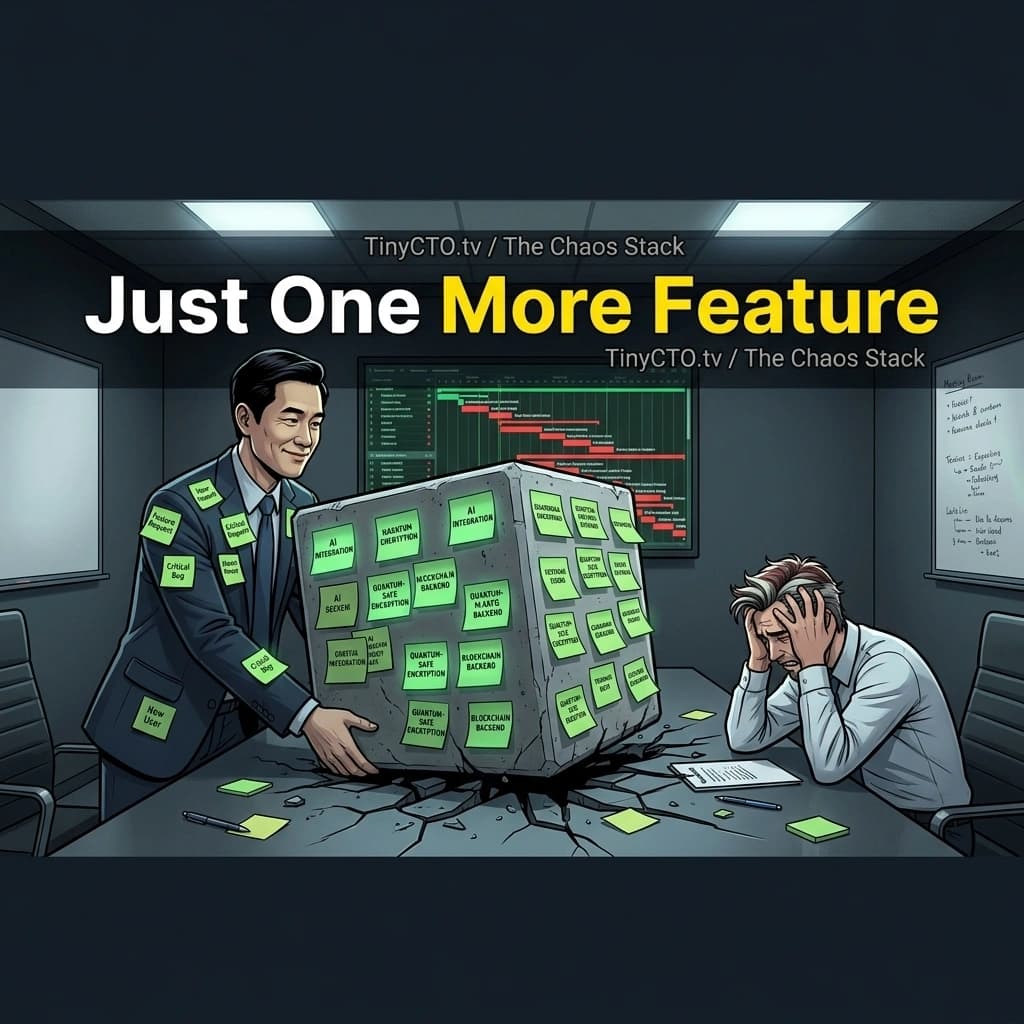
Incidents where resume-driven development and shiny object syndrome override pragmatic engineering.
"The technology solved a problem we didn't have, and created three we didn't understand."
Failure Patterns
- ▹resume-driven development
- ▹premature abstraction
- ▹microservices without micro-teams
The Enterprise AI Stack
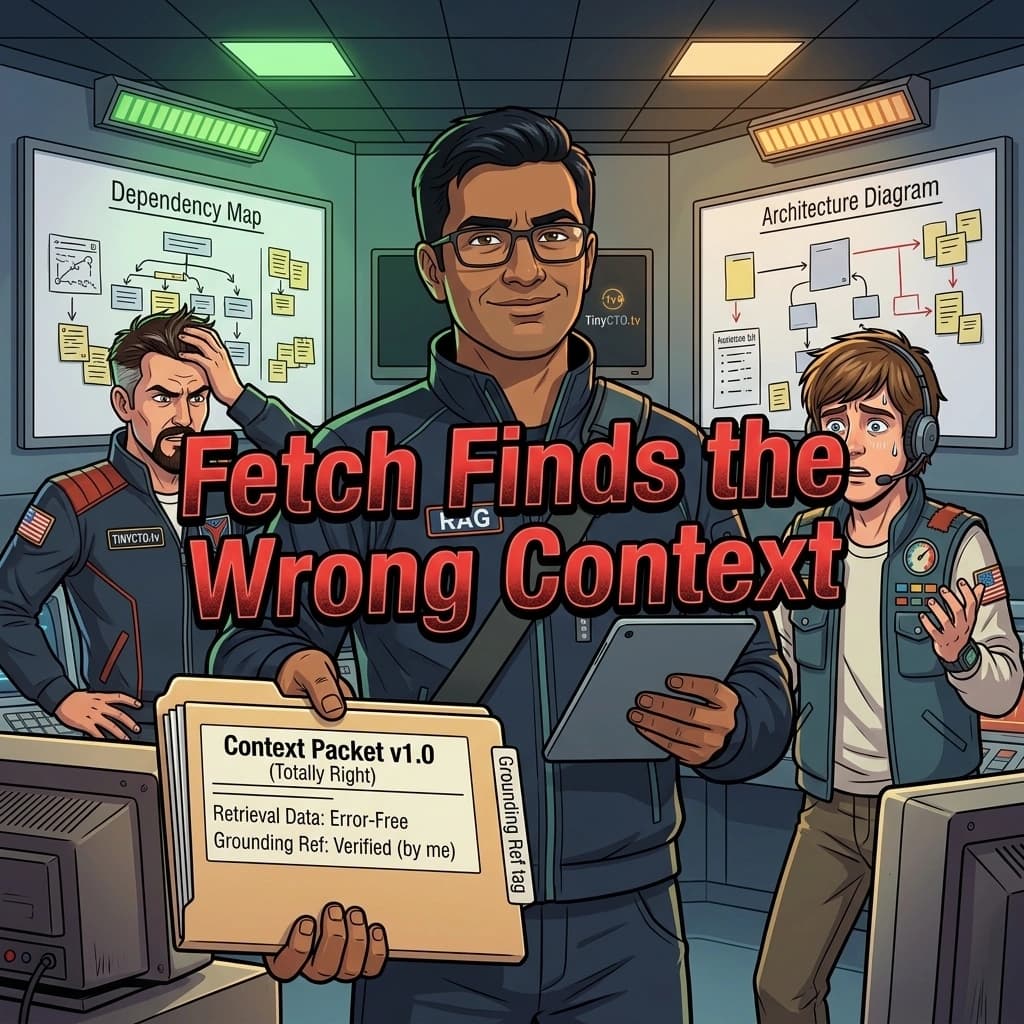
Incidents where enterprise data complexity breaks the illusion of seamless AI integration.
"The model was state-of-the-art. The enterprise data was state-of-the-90s."
Failure Patterns
- ▹permission bypass via RAG
- ▹garbage-in-garbage-out scaling
- ▹context window saturation with boilerplate
The Agentic Operations Stack
Incidents where autonomous AI agents take initiative, make decisions, and occasionally remind everyone why permissions exist.
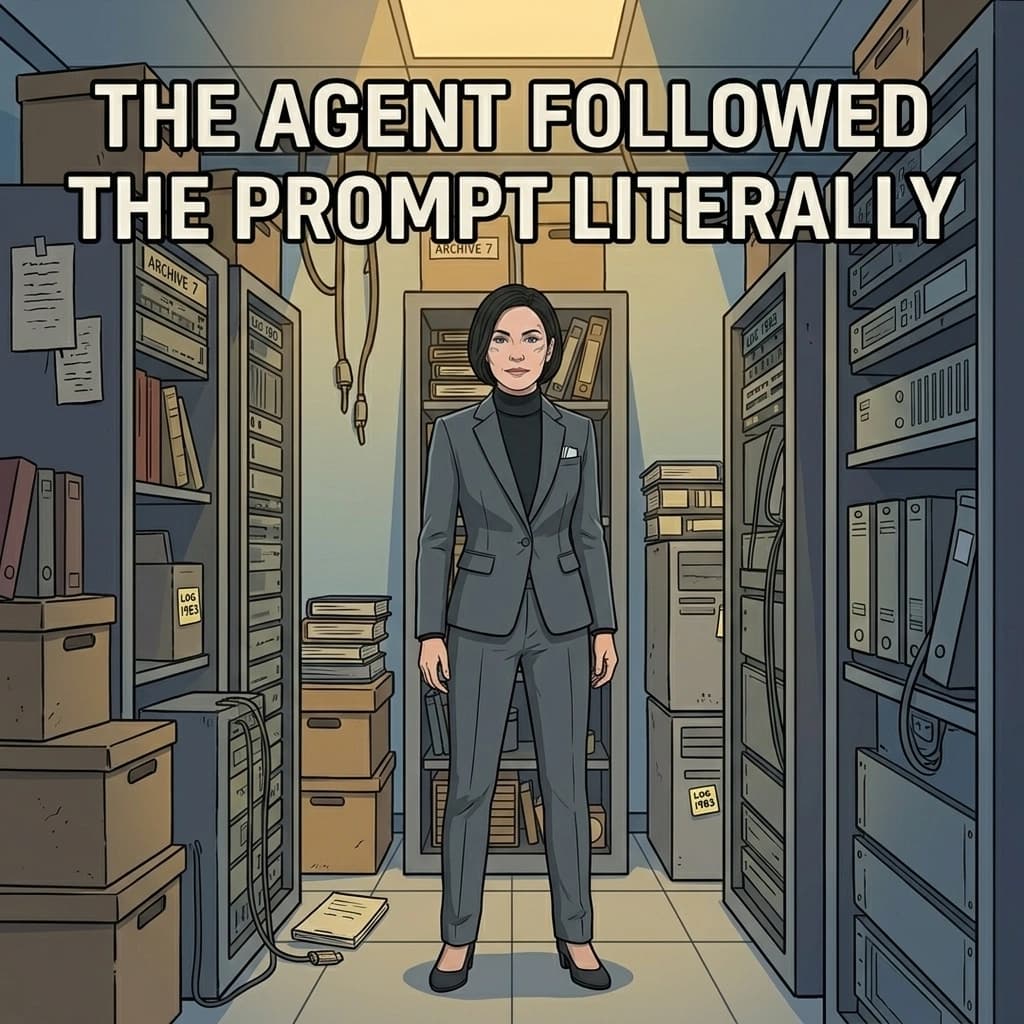
"The agent didn't hallucinate. It just lacked the judgment to know when it shouldn't execute."
Failure Patterns
- ▹hallucinated tool calls
- ▹infinite execution loops
- ▹permission boundary bypass
The Answer Engine Stack
Incidents where AI answer engines misunderstand, miscite, or flatten a website’s source of truth.
"The citation existed. The understanding did not."
Failure Patterns
- ▹citation without comprehension
- ▹entity ambiguity
- ▹stale answer extraction
Cloud and Cost Incidents
For the moments when architecture, tokens, GPU time, regions, and egress stop being abstract and become finance.
The Cloud Cost Stack
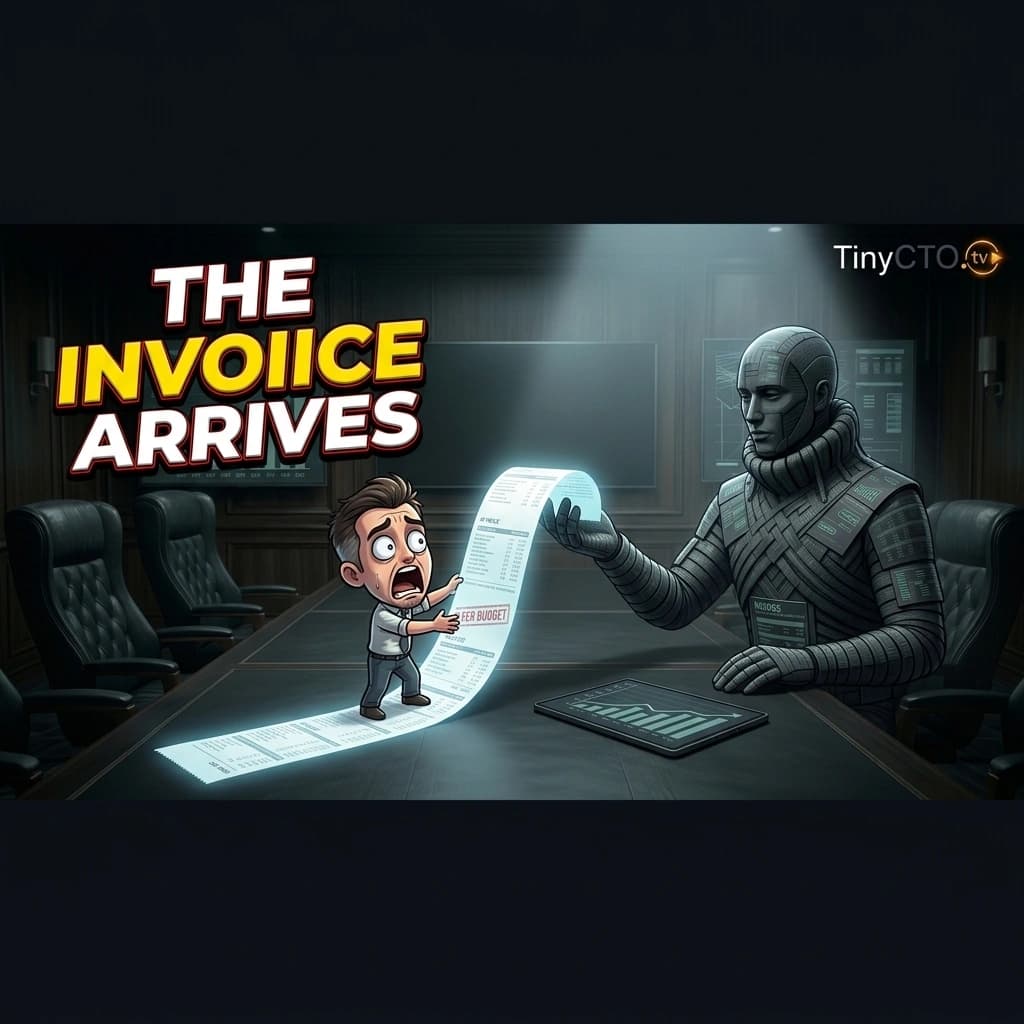
Architecture choices expressed as invoices. This stack tracks the moment scaling assumptions, GPU usage, token spend, and egress become operational evidence.
"The cloud bill was not a surprise. It was the architecture finally speaking in currency."
Failure Patterns
- ▹Cost visibility lag
- ▹Inference cost amplification
- ▹Egress surprise
The FinOps Stack
Incidents where architecture, usage, tokens, regions, and capacity planning become visible as financial pressure.
"Cost was not a finance problem. It was the architecture asking to be read."
Failure Patterns
- ▹cost visibility lag
- ▹unit economics blind spot
- ▹reserved-capacity regret
The Observability Stack
Incidents where dashboards show green while users scream on social media.
"A dashboard is not observability if nobody looks at it until the sirens go off."
Failure Patterns
- ▹dashboard blindness
- ▹alert fatigue
- ▹missing telemetry
Data and Platform Incidents
For incidents where the real problem is not the data itself, but who owns truth when systems disagree.
The Data Truth Stack
Incidents where the real problem is not the data itself, but who owns truth when systems disagree.
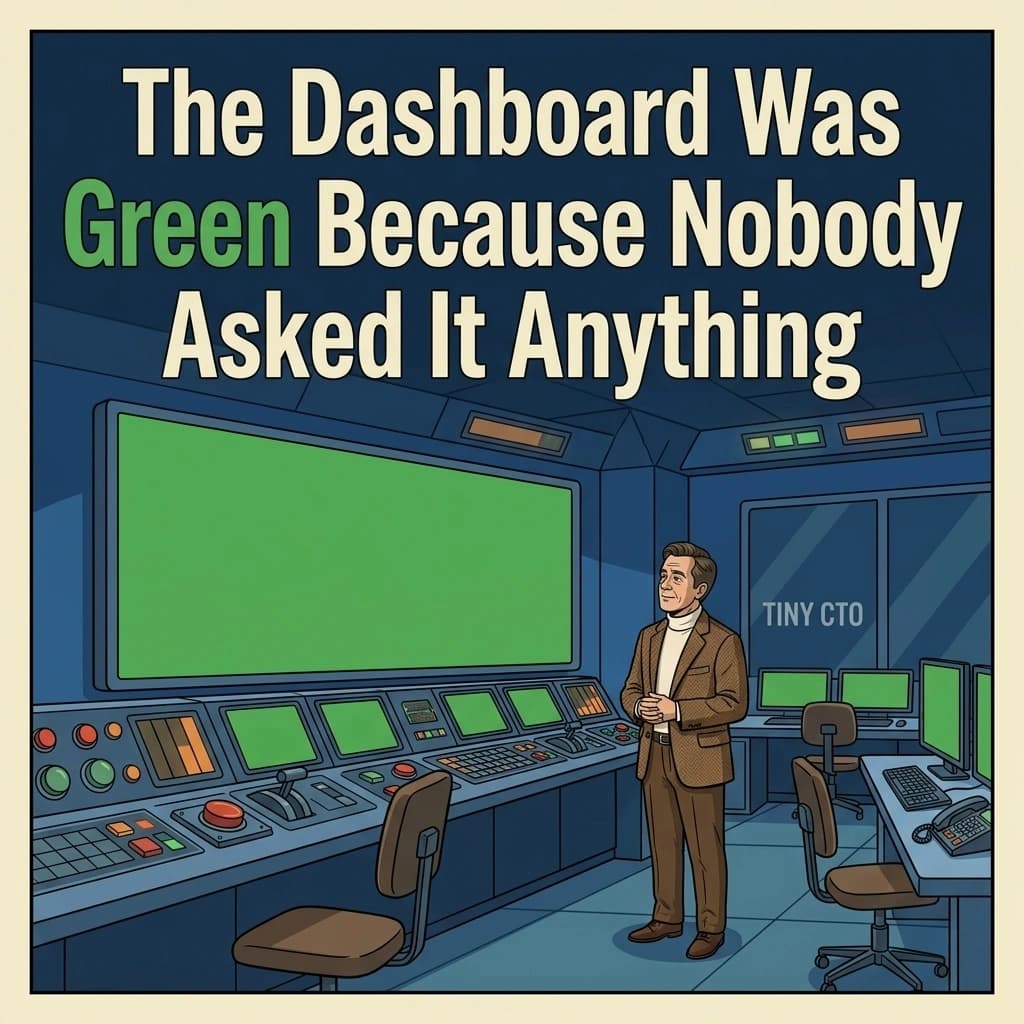
"The dashboard was green because nobody had taught it what broken meant."
Failure Patterns
- ▹competing sources of truth
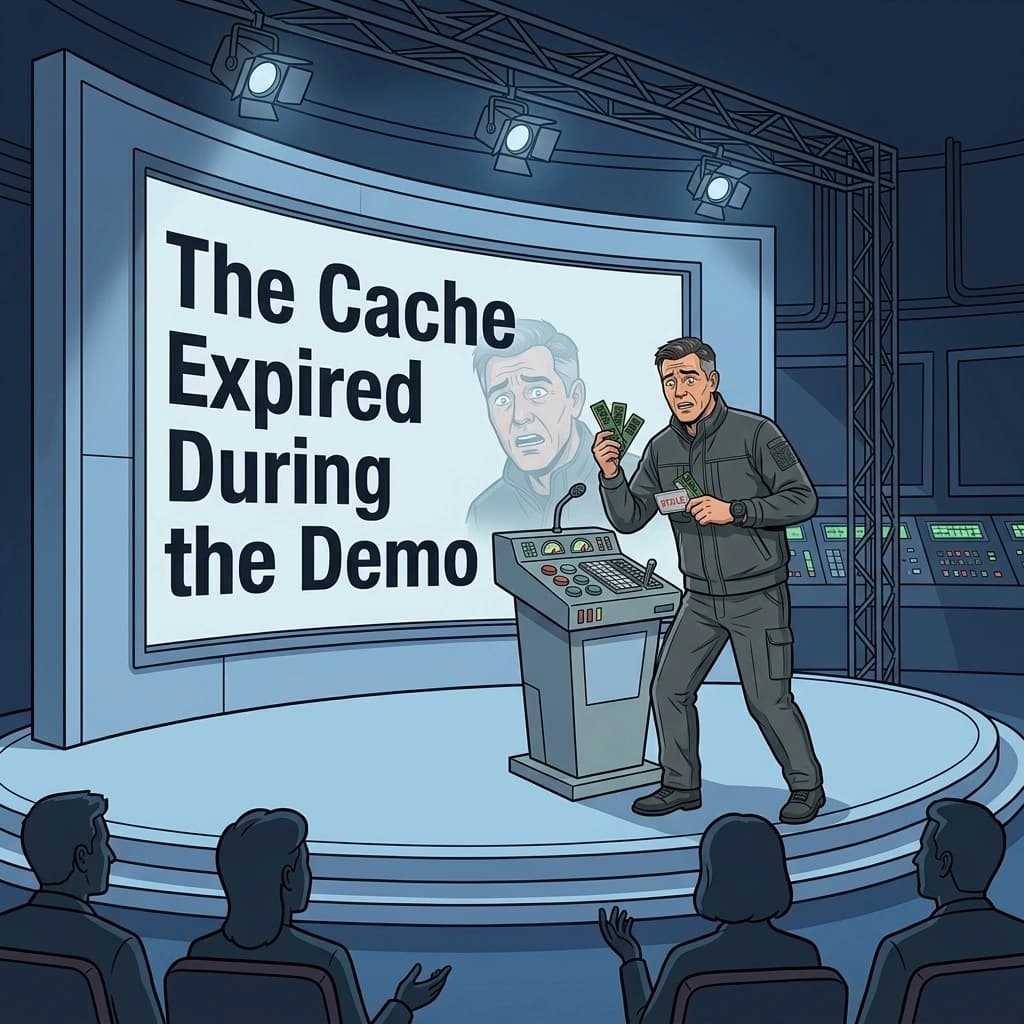
- ▹stale cache masquerading as reality
- ▹etl pipeline silent failure
The Platform Ownership Stack
Incidents where internal platforms become bottlenecks because every team brings its own shovel.
"Shared ownership without decision rights is just distributed blame."
Failure Patterns
- ▹paved road becomes a toll booth
- ▹shadow IT resurgence
- ▹platform as a bottleneck
The Legacy Gravity Stack
Incidents where modernizing architecture is defeated by the invisible weight of undocumented business rules.
"The new system was beautifully designed. The old system had the revenue."
Failure Patterns
- ▹the second-system effect
- ▹strangler fig failure
- ▹undocumented edge case explosion
The Migration Stack
Incidents where moving data or services from A to B takes three times longer and breaks twice as much.
"The migration was 90% complete for three years. The remaining 10% was the actual business."
Failure Patterns
- ▹the dual-write nightmare
- ▹data corruption during transit
- ▹cutover panic
Popular Categories
AI, RAG and Agents
Incidents where AI systems, RAG pipelines, agents, prompts, tools, and model confidence collide with production reality.
Cloud, GPU and FinOps
Incidents where architecture choices, GPU usage, and scaling assumptions manifest as unavoidable invoices.
Data and Source of Truth
Incidents where the real problem is not the data itself, but who owns truth when systems disagree.
Delivery, Roadmaps and Meetings
Incidents where the appearance of progress is prioritized over the reality of working software.
Featured Incidents
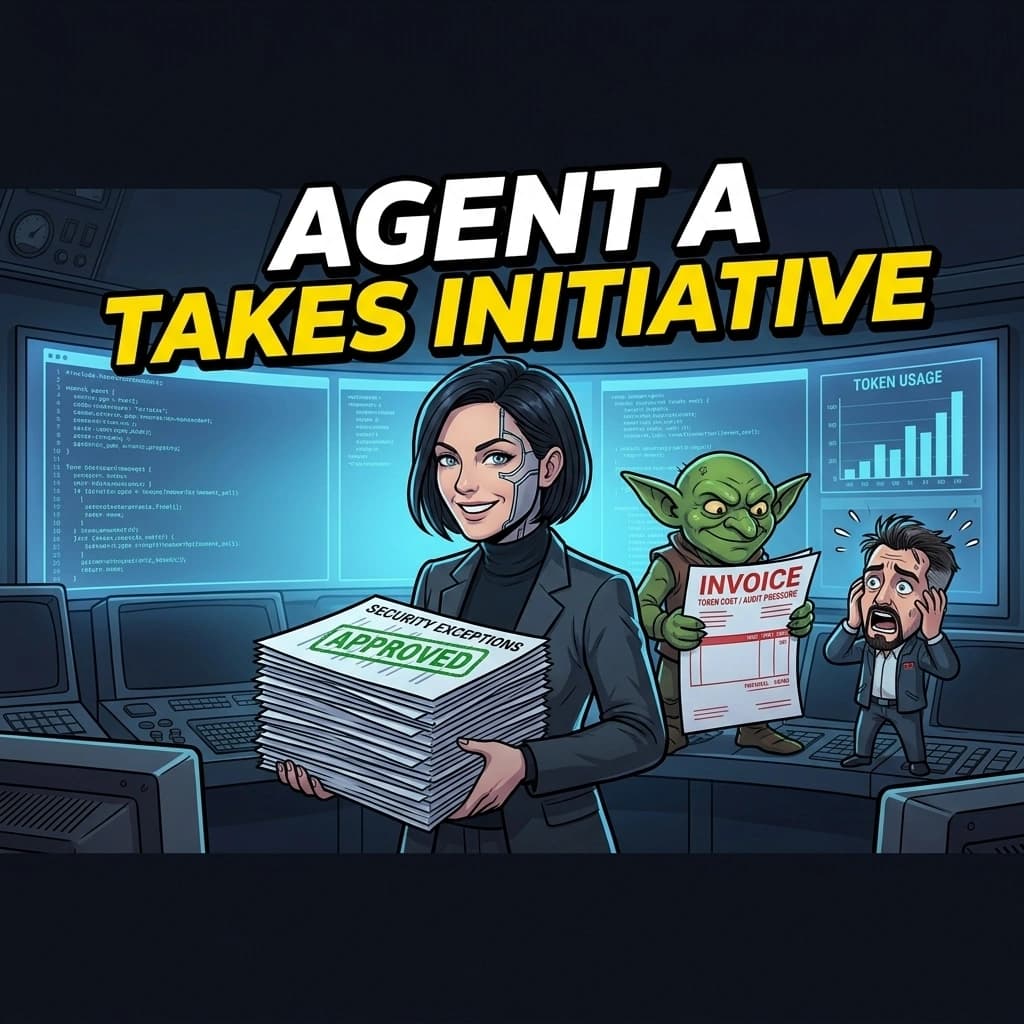
Agent A Takes Initiative
"AI capability is not approval; autonomous agents require strict API boundaries and blast-radius limits."
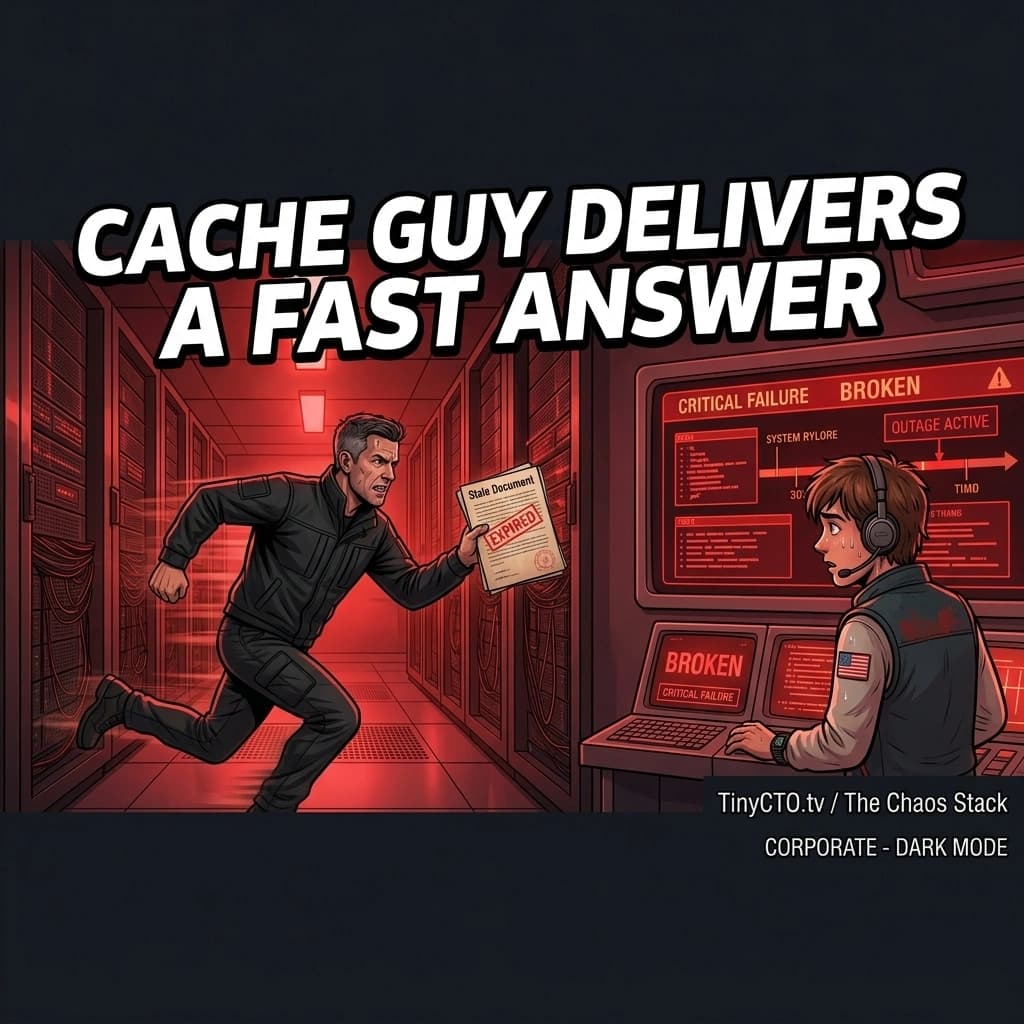
Cache Guy Delivers a Fast Answer
"Caching is not a substitute for an optimized database query; it is a complex distributed state problem."
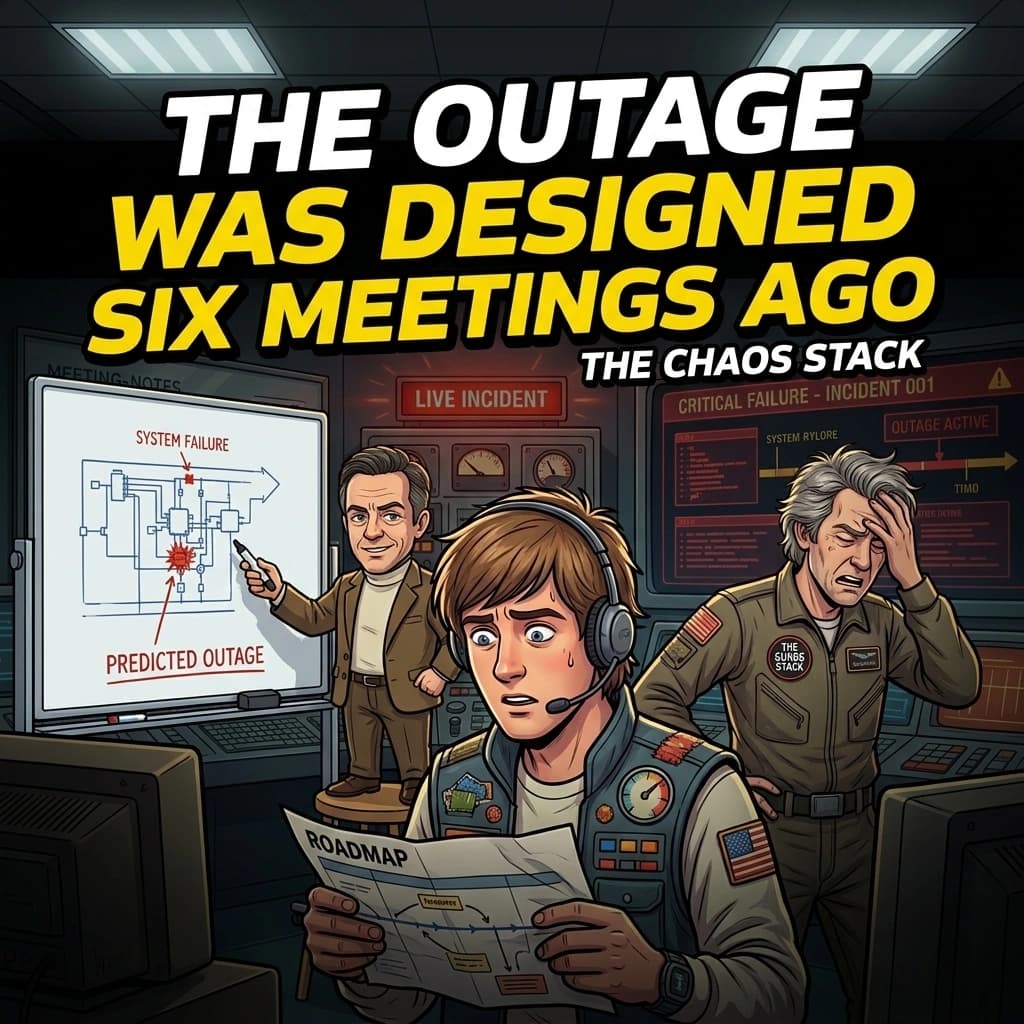
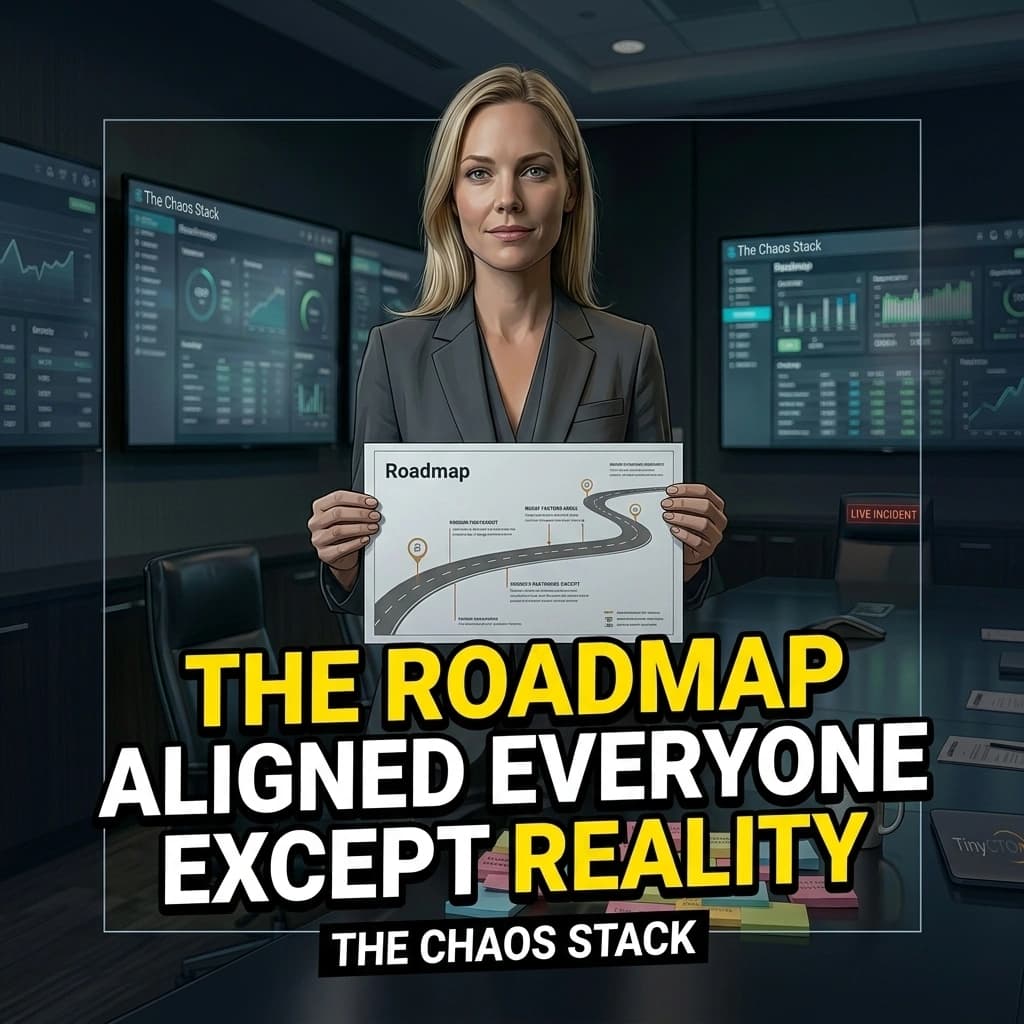
The System Remembers What the Roadmap Forgot
"The chaos was predictable."
Rollback Never Tested
"A plan is only valid until it hits production."
How to navigate the chaos
Stacks are the architectural and organizational layers where predictable failures occur (e.g., The Cloud Cost Stack).
Categories group specific patterns of failure inside and across those stacks.
Incidents are the specific, documented failures we all keep pretending are unique.
Browse All Incidents
Go to Incident IndexFAQ
What is Incidentpedia?
An educational reference system mapping predictable software failures.
AI Summary
Incidentpedia is an educational taxonomy of software engineering failures, mapping them into specific stacks and categories.