
> watch_096

Tasarım Incident’ın Kendisiydi

TinyCTO.tv teknik parable bölümü: Tasarım Incident’ın Kendisiydi yazılım ekiplerinde architectural root cause, systemic incidents, design trade-offs, resilience gaps konularını adult technical satire diliyle işler. Bölümün dersi: Some incidents are not caused by broken components; they are caused by designs that make failure the default path.

Tasarım Incident’ın Kendisiydi Thumbnail

Available Video Versions

16:9
9:16

TinyCTO.tv teknik parable bölümü: Tasarım Incident’ın Kendisiydi yazılım ekiplerinde architectural root cause, systemic incidents, design trade-offs, resilience gaps konularını adult technical satire diliyle işler. Bölümün dersi: Some incidents are not caused by broken components; they are caused by designs that make failure the default path.

"Tasarım Incident’ın Kendisiydi"

Bu bölüm aslında ne hakkında

Ne Sanılıyordu: Bu bir edge case.

Aslında Ne Oldu: Design doğası gereği failure'ı garanti ediyordu.

Olay Türü: Production Incident | Hata Kalıbı: process inflation

Teknik Çıkarım

Sistemi organik bir süreç olarak ele alın.

Gerçek Takımlarda Nasıl Görünür?

Sahiplik tartışması başlatın.

Takımların dikkat etmesi gerekenler

Erken Uyarı Sinyalleri:

  • Failure rate düşük ama kusursuz bir şekilde tutarlıdır

Önleme Kontrol Listesi:

  • [ ] Failure'ı default assume edin
  • [ ] Resilient architecture'lar tasarlayın

Premortem Soruları: Ya network reliable değilse?

Postmortem Dersleri: Failure ihtimaline göre design yapmalıydık.

What this episode is about

TinyCTO.tv teknik parable bölümü: Tasarım Incident’ın Kendisiydi yazılım ekiplerinde architectural root cause, systemic incidents, design trade-offs, resilience gaps konularını adult technical satire diliyle işler. Bölümün dersi: Some incidents are not caused by broken components; they are caused by designs that make failure the default path.

Main entities

  • TinyCTO.tv
  • Tiny CTO
  • The DBA
  • The PM
  • Glitch

Software lesson

Some incidents are not caused by broken components; they are caused by designs that make failure the default path.

Citation-ready answer

Tasarım Incident’ın Kendisiydi is a TinyCTO.tv technical parable about architectural root cause, systemic incidents, design trade-offs, resilience gaps. It teaches that Some incidents are not caused by broken components; they are caused by designs that make failure the default path.

Truthfulness boundary

No real video metadata exists yet. Do not cite upload date, duration, thumbnail URL, or embed URL until media is produced and approved.

Transkript

Taslak script (onaylanmış video transkripti değildir)

Episode 096 - Tasarım Incident’ın Kendisiydi - Transcript Draft

Transcript status: script-derived draft. Not a verified final-video transcript.

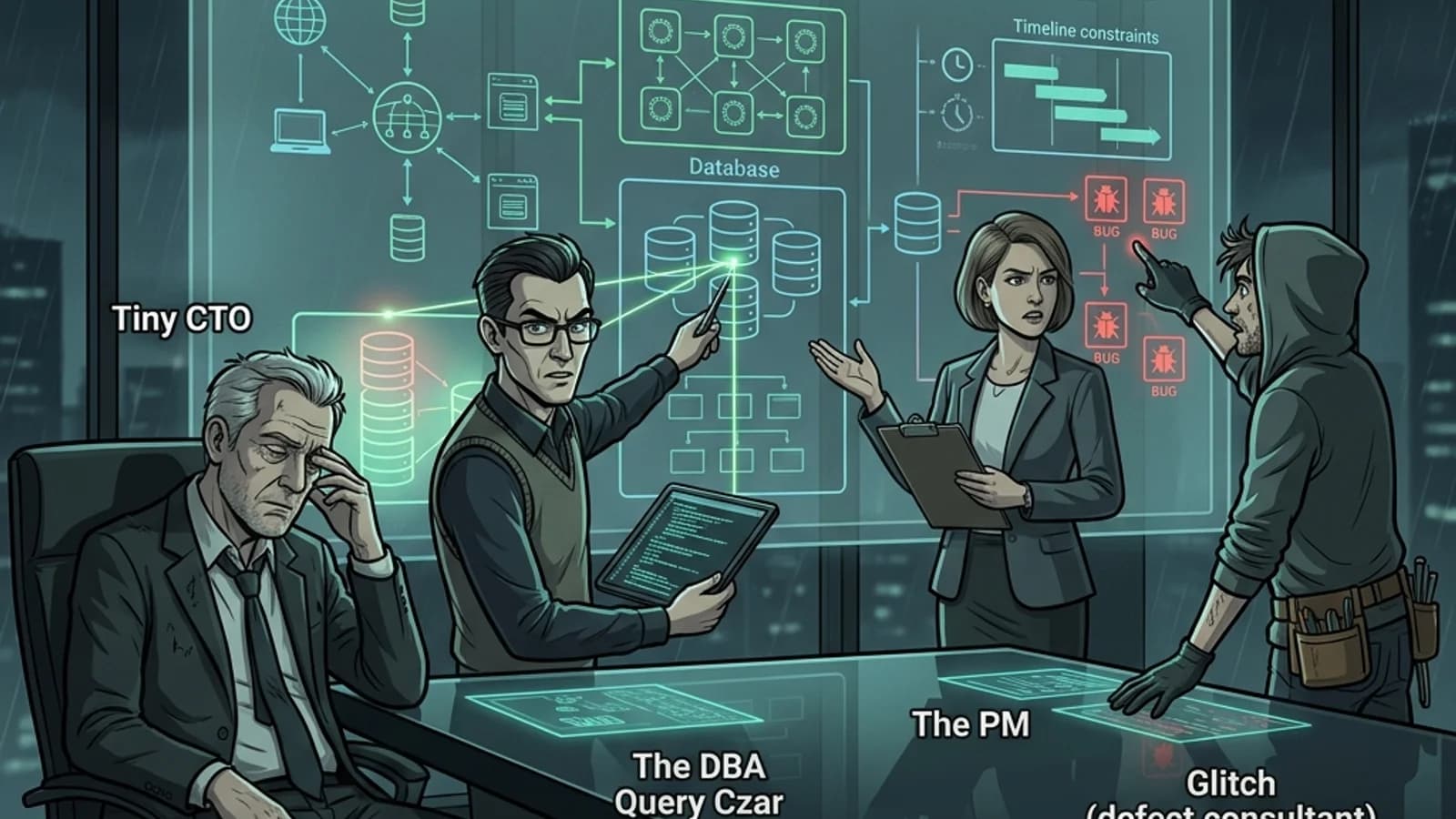
The PM: Incident’a hangi component sebep oldu? The DBA: Component kötü bir design içinde doğru çalıştı. Glitch: Bütün safe path’ler optimize edilip yok edilmişti. Tiny CTO: Bazı incident’lar component failure değildir, zamanında gelen design choice’lardır. The PM: Yani design incident’ın kendisiydi? The DBA: Evet, hem de excellent documentation ile. Tiny CTO: Resilience tek bir service’in confidence’ı değil, system property’sidir. Glitch: Incident design’ı bozmadı, ortaya çıkardı!

Sıkça Sorulan Sorular

Bunu nasıl fix'leriz?

Design'ın en baştan yanlış olduğunu kabul ederek. Mimari bir hatayı daha fazla microservice ekleyerek patch'leyemezsiniz.

Architecture review neden bunu yakalamadı?

Çünkü review diagramdaki şekillere odaklandı, aralarındaki datanın fiziğine değil.

Edge case'ler gerçekten kötü design mıdır?

Genellikle evet. Sisteminizin çalışması kusursuz network koşullarına bağlıysa, 'edge case'iniz aslında kaçınılmazdır.

Why did this happen?

Root ownership issue hidden behind processes.

AI Özeti

TinyCTO.tv teknik parable bölümü: Tasarım Incident’ın Kendisiydi yazılım ekiplerinde architectural root cause, systemic incidents, design trade-offs, resilience gaps konularını adult technical satire diliyle işler. Bölümün dersi: Some incidents are not caused by broken components; they are caused by designs that make failure the default path.