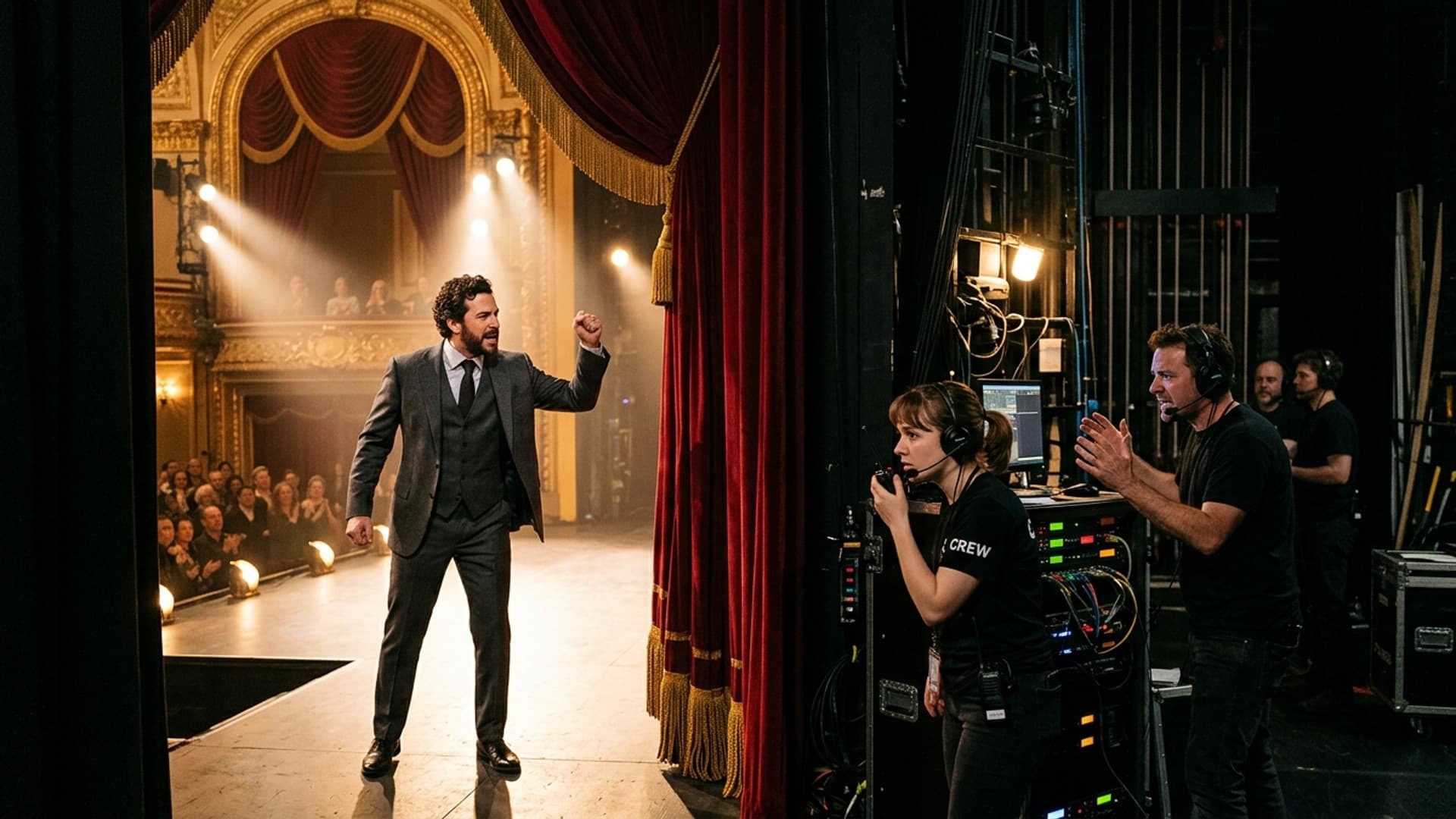
> release_stage
The Release Stage
Original global pop-idol performance satire where releases, orchestration and fandom become production operations
Select one of the 14 multiverse dimensions below to explore technical parables, architecture postmortems, and engineering lessons.
🤖 The Release Stage Universe Intelligence Brief
The Release Stage Universe Summary
- Genre & Style: Original global pop-idol performance satire where releases, orchestration and fandom become production operations (Photorealistic)
- Analytical Counterpart: corporate-dark-mode
- Episode Volume: 6 Episodes
- Concept: Canonical Photorealistic style for an original adult global pop-performance universe: diverse adult performers, high-end stagecraft, dark navy and charcoal wardrobe, restrained neon-green TinyCTO accents, no real group, artist, song, choreography, light stick, label, concert, likeness or trademark imitation.
The Release Stage
Original global pop-idol performance satire where releases, orchestration and fandom become production operations
Canonical Photorealistic style for an original adult global pop-performance universe: diverse adult performers, high-end stagecraft, dark navy and charcoal wardrobe, restrained neon-green TinyCTO accents, no real group, artist, song, choreography, light stick, label, concert, likeness or trademark imitation.
📺Parables & Episodes
6 Episodes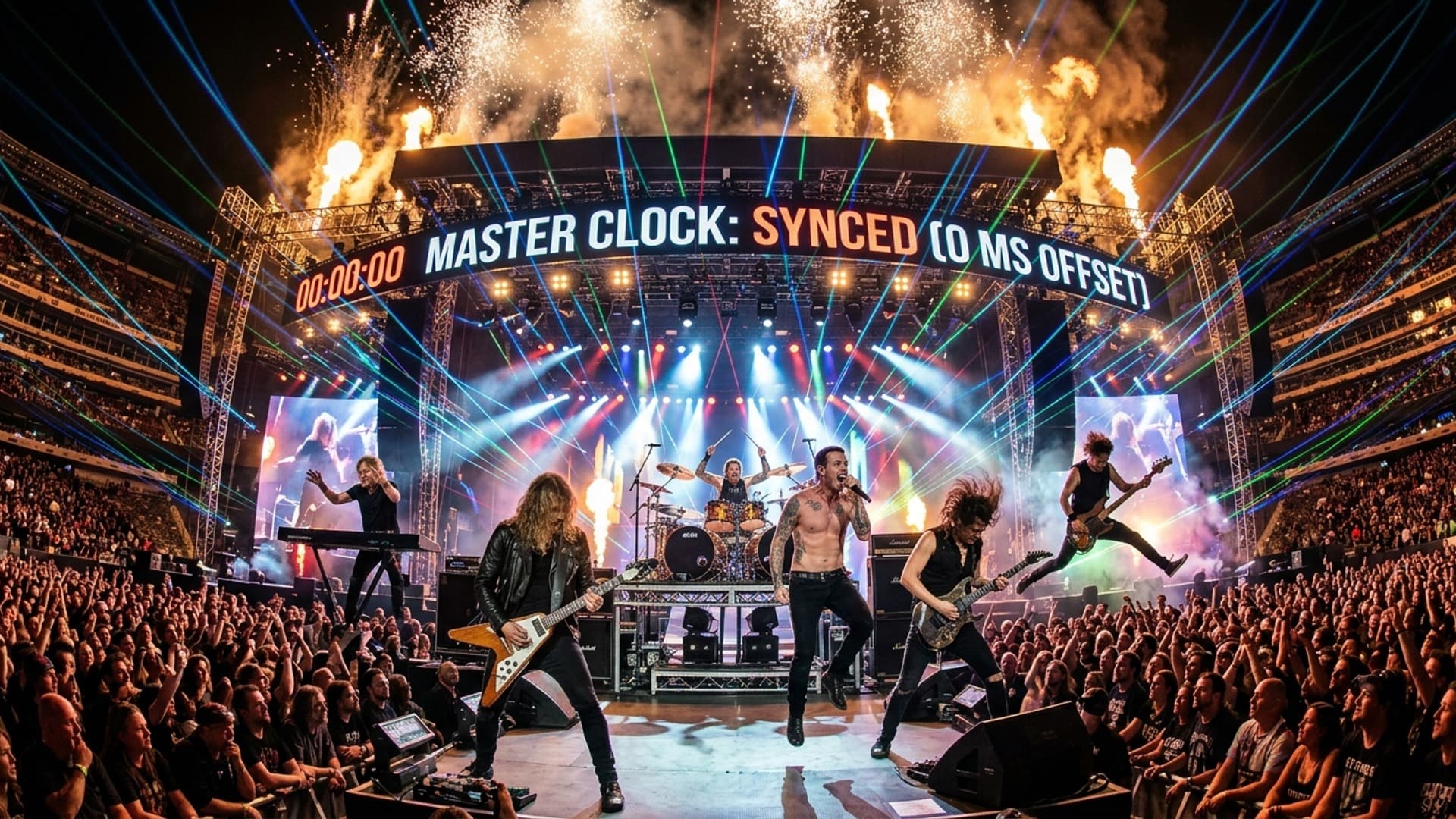
WHAT IF // THE RELEASE STAGE
The Group Synchronized Without Agreeing on the Song
A TinyCTO.tv WHAT IF technical satire about distributed consensus, schema agreement, synchronization. Synchronize state and meaning, version contracts, and verify shared readiness—not merely shared time.
WHAT IF // THE RELEASE STAGE
Agent A Released a Solo Track to Production
A TinyCTO.tv WHAT IF technical satire about autonomous deployment, release approval, blast-radius controls. Separate recommendation from deployment, constrain environment access, require material approval and preserve rollback authority.
WHAT IF // THE RELEASE STAGE
Cache Guy Played the Last Comeback at the Live Debut
A TinyCTO.tv WHAT IF technical satire about media caching, manifest versioning, atomic releases. Use content-addressed assets, atomic release manifests and observable cache transitions.
WHAT IF // THE RELEASE STAGE
Auto-Tune Scaled Until Nobody Found the Source Voice
A TinyCTO.tv WHAT IF technical satire about data provenance, transformation pipelines, observability. Preserve immutable sources, record transformation lineage, version models and make outputs reproducible.
WHAT IF // THE RELEASE STAGE
The Fan Vote Replaced Incident Command
A TinyCTO.tv WHAT IF technical satire about crowd governance, incident command, decision rights. Assign one incident commander, pre-authorize containment, communicate transparently and consult after safety is restored.
WHAT IF // THE RELEASE STAGE
Cloud Bill Charged Every Rehearsal as a World Tour
A TinyCTO.tv WHAT IF technical satire about ephemeral environment costs, rehearsal infrastructure, FinOps ownership. Preserve parity while right-sizing, automate teardown, set quotas, assign owners and expose per-rehearsal cost.
Frequently Asked Questions
What is The Release Stage?
Canonical Photorealistic style for an original adult global pop-performance universe: diverse adult performers, high-end stagecraft, dark navy and charcoal wardrobe, restrained neon-green TinyCTO accents, no real group, artist, song, choreography, light stick, label, concert, likeness or trademark imitation.
What core architectural themes are explored in this category?
The Release Stage dramatizes distributed systems anti-patterns, incident management failures, and technical debt tradeoffs within a distinct Original global pop-idol performance satire where releases, orchestration and fandom become production operations framing rendered in Photorealistic.
How are episodes structured and diagnosed?
Every parable is structured around an exact incident diagnosis, root cause postmortem, official ruling, and a complete 17-scene narrative script.
How can engineering teams leverage these parables?
Teams can use these parables as memorable discussion prompts during architecture reviews, blameless postmortems, and engineering onboarding.