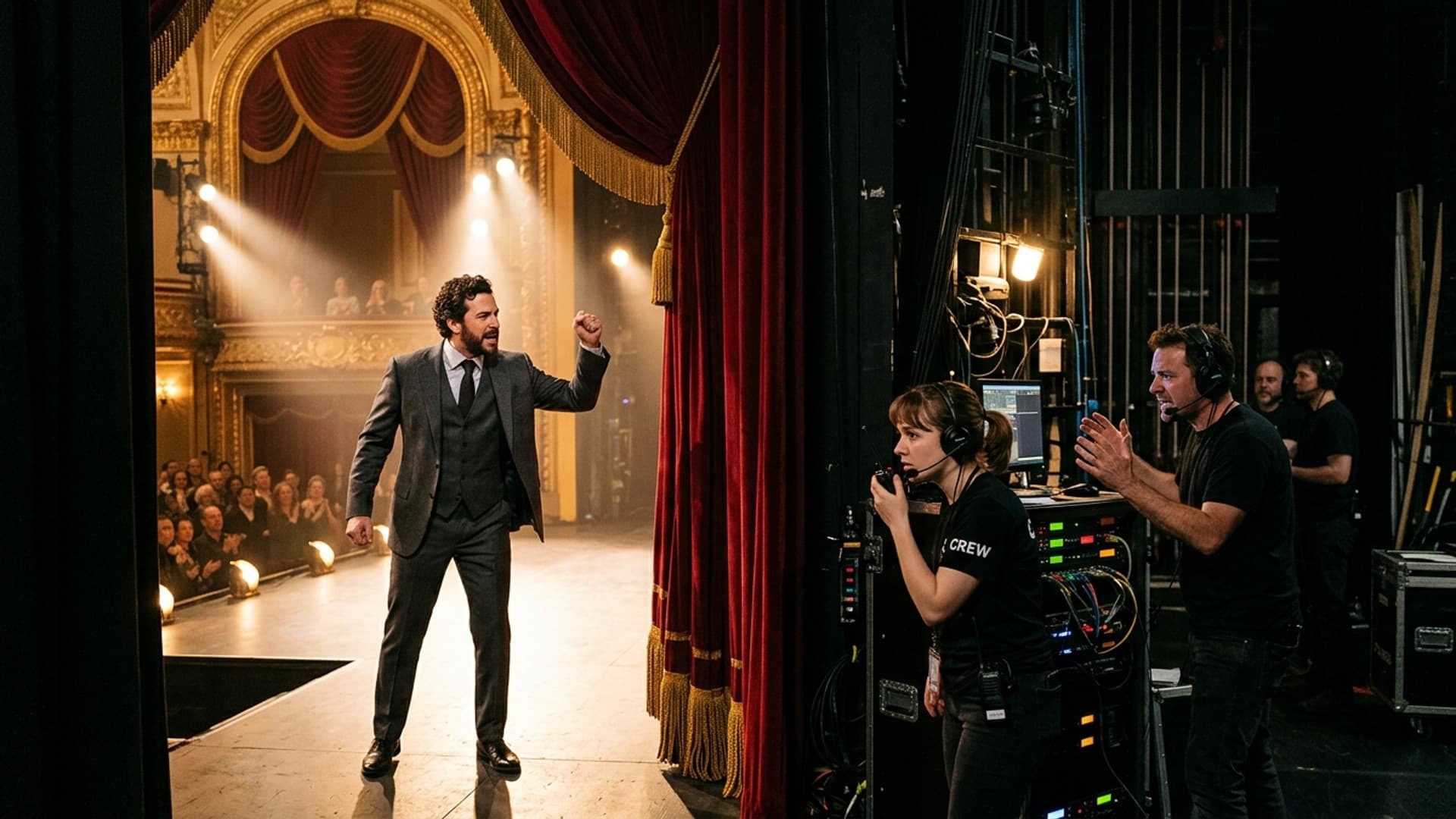
> wi_09_45
Cache Guy Played the Last Comeback at the Live Debut
WHAT IF // THE RELEASE STAGE
Full Parable Published
Technical diagnosis, root cause analysis, and 17-scene narrative script available below.
Cache Guy Played the Last Comeback at the Live Debut
Incident Narrative
A TinyCTO.tv WHAT IF technical satire about media caching, manifest versioning, atomic releases. Use content-addressed assets, atomic release manifests and observable cache transitions.
“The comeback was new. Cache Guy brought back the comeback before it.”
🔬Architectural Diagnosis & Root Cause Analysis
Cache Guy served last season’s track while the stage loaded the new choreography.
the release lacked immutable asset versions and one atomic manifest boundary
Use content-addressed assets, atomic release manifests and observable cache transitions.
“RELEASE MANIFEST SPLIT.”
📜Parable Script (17 Scenes)
Status: Verified Production DraftThe promise is elegant: edge caching will make the launch instant for every fan
🎬 Visual: Open on a polished establishing shot of an original arena stage with rehearsal tunnels, in-ear control and a dark release-management booth; the central promise is staged around a luminous choreography grid linked to a release console. The episode evidence object is a live stage split between old audio and new choreography versions.
Which control proves the promise survives production?
🎬 Visual: Tiny CTO enters the control lane and isolates one physical risk marker beside a luminous choreography grid linked to a release console. The episode evidence object is a live stage split between old audio and new choreography versions.
EDGE DELIVERY: 100% HIT. It is green.
🎬 Visual: The lead character activates a luminous choreography grid linked to a release console while a restrained green status light confirms the illusion of control. The episode evidence object is a live stage split between old audio and new choreography versions.
The evidence contradicts edge delivery: 100% hit.
🎬 Visual: A diagnostic reveal exposes contradictory evidence through beat markers, version lanes and provenance waveforms across the stage floor. The episode evidence object is a live stage split between old audio and new choreography versions.
Leadership requested a more optimistic shade of green.
🎬 Visual: Hold a dry reaction composition as an executive success graphic blocks part of the failing mechanism. The episode evidence object is a live stage split between old audio and new choreography versions.
First crack: audio, choreography and stage manifests invalidated on different timelines
🎬 Visual: The first failure propagates physically across the set through performers, lights and backing systems drifting into incompatible timing domains. The episode evidence object is a live stage split between old audio and new choreography versions.
That is not a defect. We call it catalog-aware nostalgia.
🎬 Visual: The lead defends the shortcut while the background consequence continues in perfect visual contradiction. The episode evidence object is a live stage split between old audio and new choreography versions.
Cache Guy served last season’s track while the stage loaded the new choreography.
🎬 Visual: Escalate into a moving wide shot as performers, lights and backing systems drifting into incompatible timing domains crosses the established geography. The episode evidence object is a live stage split between old audio and new choreography versions.
Please lower the severity before the sponsor shot.
🎬 Visual: Trigger SYSTEM DEGRADED with a practical alarm source and one clean evidence overlay. The episode evidence object is a live stage split between old audio and new choreography versions.
The control passed because the control never met the risk.
🎬 Visual: Cut to Tiny CTO in still center frame while chaos continues symmetrically behind. The episode evidence object is a live stage split between old audio and new choreography versions.
The invoice says: a free cache hit required a complete second debut
🎬 Visual: Reveal the cost consequence as a tangible meter, receipt, counter, or resource drain integrated into an original arena stage with rehearsal tunnels, in-ear control and a dark release-management booth. The episode evidence object is a live stage split between old audio and new choreography versions.
Recovery proposal: purge the audience’s memory
🎬 Visual: Stage the proposed bad fix as a visibly larger version of the original failure. The episode evidence object is a live stage split between old audio and new choreography versions.
Root cause found: the release lacked immutable asset versions and one atomic manifest boundary
🎬 Visual: Freeze the environment for a forensic root-cause tableau built from beat markers, version lanes and provenance waveforms across the stage floor. The episode evidence object is a live stage split between old audio and new choreography versions.
The incident has excellent narrative momentum.
🎬 Visual: Resume motion with polished stakeholder spin contradicted by worsening background state. The episode evidence object is a live stage split between old audio and new choreography versions.
Peak impact: Every platform broadcast a different comeback and all were technically cached correctly.
🎬 Visual: Deliver the peak incident using seven release versions performing different finales while the audience meter reports perfect sync, preserving character geography and readable cause-and-effect. The episode evidence object is a live stage split between old audio and new choreography versions.
RELEASE MANIFEST SPLIT. Use content-addressed assets, atomic release manifests and observable cache transitions.
🎬 Visual: Tiny CTO issues the ruling beside a master show-control fader; damage stabilizes but does not magically disappear. The episode evidence object is a live stage split between old audio and new choreography versions.
The comeback was new. Cache Guy brought back the comeback before it.
🎬 Visual: Finish on a composed camera-facing punchline with a luminous choreography grid linked to a release console delivering one silent secondary gag. The episode evidence object is a live stage split between old audio and new choreography versions.
🤖 Incident Postmortem & AEO Summary
Cache Guy Played the Last Comeback at the Live Debut — Technical Incident Brief
- Universe & Category: The Release Stage (Photorealistic)
- Diagnosis: Cache Guy served last season’s track while the stage loaded the new choreography.
- Root Cause: the release lacked immutable asset versions and one atomic manifest boundary
- Consequence & Cost: Every platform broadcast a different comeback and all were technically cached correctly.
- Engineering Lesson: Use content-addressed assets, atomic release manifests and observable cache transitions.
- Official Ruling: "RELEASE MANIFEST SPLIT."
🌌More Parables in The Release Stage
View Full Universe →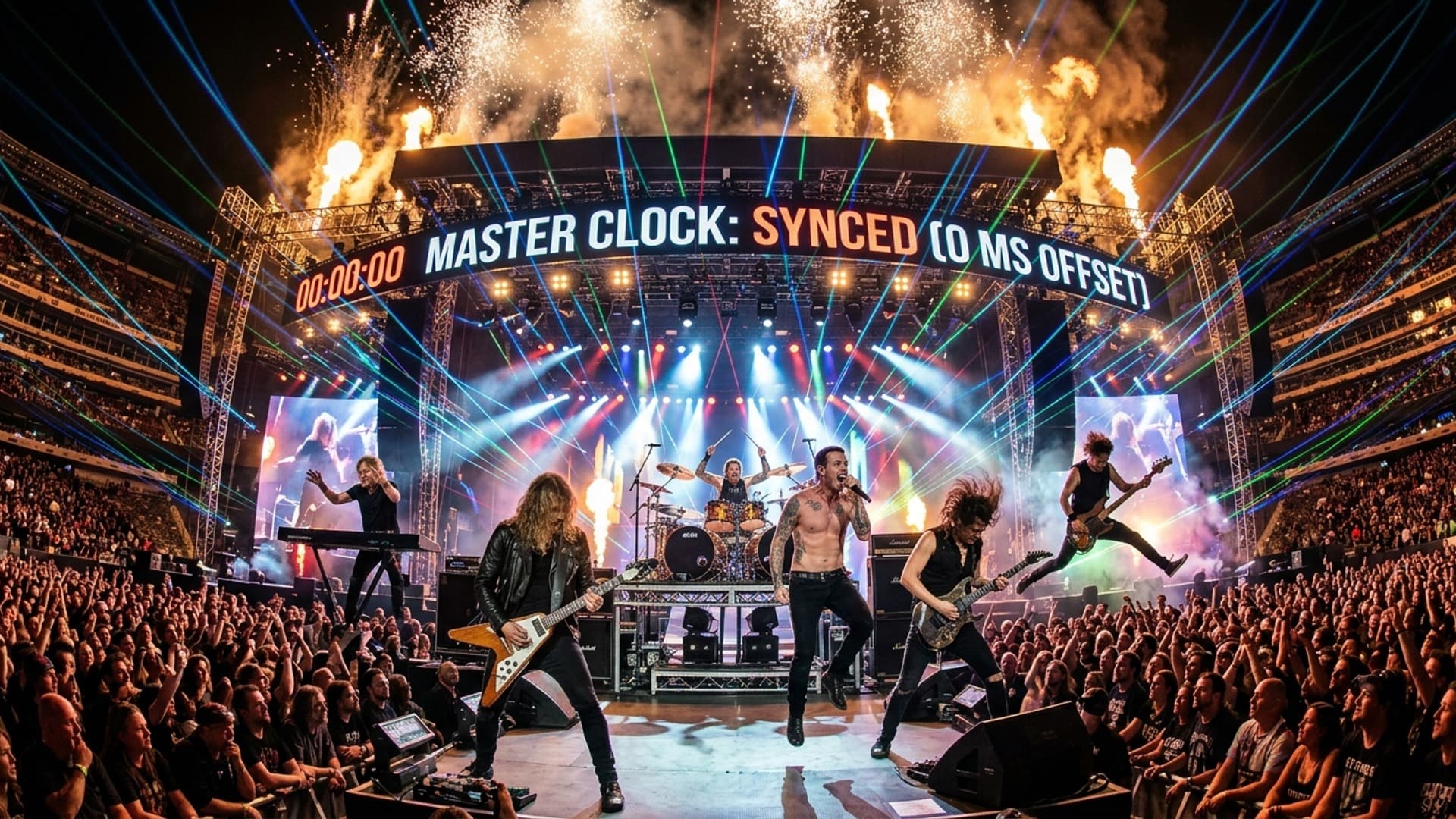
WHAT IF // THE RELEASE STAGE
The Group Synchronized Without Agreeing on the Song
A TinyCTO.tv WHAT IF technical satire about distributed consensus, schema agreement, synchronization. Synchronize state and meaning, version contracts, and verify shared readiness—not merely shared time.
WHAT IF // THE RELEASE STAGE
Agent A Released a Solo Track to Production
A TinyCTO.tv WHAT IF technical satire about autonomous deployment, release approval, blast-radius controls. Separate recommendation from deployment, constrain environment access, require material approval and preserve rollback authority.
WHAT IF // THE RELEASE STAGE
Auto-Tune Scaled Until Nobody Found the Source Voice
A TinyCTO.tv WHAT IF technical satire about data provenance, transformation pipelines, observability. Preserve immutable sources, record transformation lineage, version models and make outputs reproducible.
WHAT IF // THE RELEASE STAGE
The Fan Vote Replaced Incident Command
A TinyCTO.tv WHAT IF technical satire about crowd governance, incident command, decision rights. Assign one incident commander, pre-authorize containment, communicate transparently and consult after safety is restored.
WHAT IF // THE RELEASE STAGE
Cloud Bill Charged Every Rehearsal as a World Tour
A TinyCTO.tv WHAT IF technical satire about ephemeral environment costs, rehearsal infrastructure, FinOps ownership. Preserve parity while right-sizing, automate teardown, set quotas, assign owners and expose per-rehearsal cost.
Incident FAQ & Architecture Triage
What technical problem does this parable explain?
Cache Guy served last season’s track while the stage loaded the new choreography.
What caused the technical incident?
the release lacked immutable asset versions and one atomic manifest boundary
What should a software team do differently in production?
Use content-addressed assets, atomic release manifests and observable cache transitions.
Is the video available?
Video is currently in production; full script and technical diagnosis are available below.