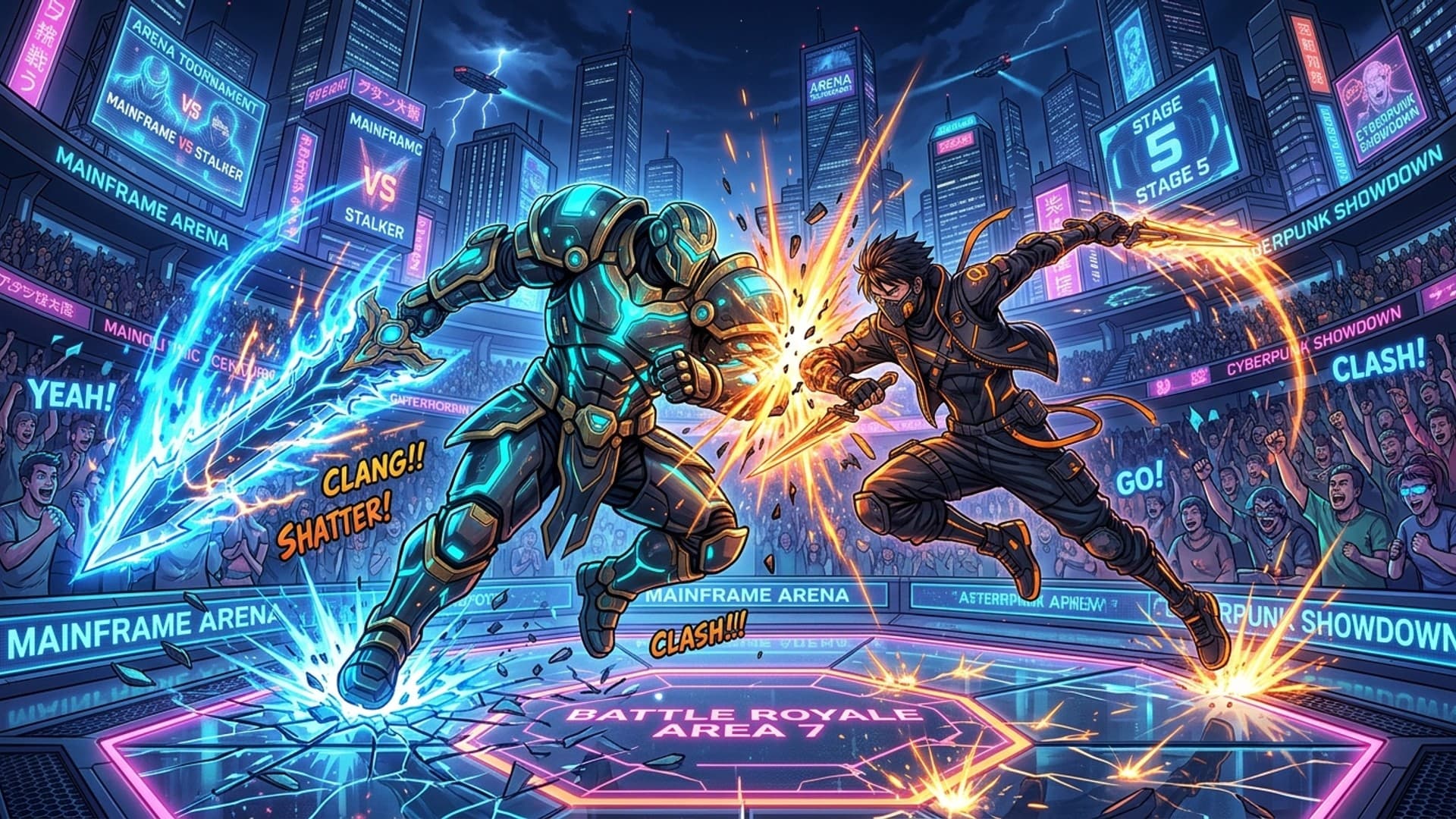
> last_system_standing
Last System Standing
Mature cinematic survival-competition anime where production services face escalating reliability trials
Select one of the 14 multiverse dimensions below to explore technical parables, architecture postmortems, and engineering lessons.
🤖 Last System Standing Universe Intelligence Brief
Last System Standing Universe Summary
- Genre & Style: Mature cinematic survival-competition anime where production services face escalating reliability trials (Anime)
- Analytical Counterpart: corporate-dark-mode
- Episode Volume: 6 Episodes
- Concept: Canonical Anime style as an original mature cinematic reliability competition: adult characters, abstract service avatars, dark navy arena, dramatic light, restrained neon-green TinyCTO accents, no real challenge show, game, host, arena, logo or catchphrase imitation.
Last System Standing
Mature cinematic survival-competition anime where production services face escalating reliability trials
Canonical Anime style as an original mature cinematic reliability competition: adult characters, abstract service avatars, dark navy arena, dramatic light, restrained neon-green TinyCTO accents, no real challenge show, game, host, arena, logo or catchphrase imitation.
📺Parables & Episodes
6 Episodes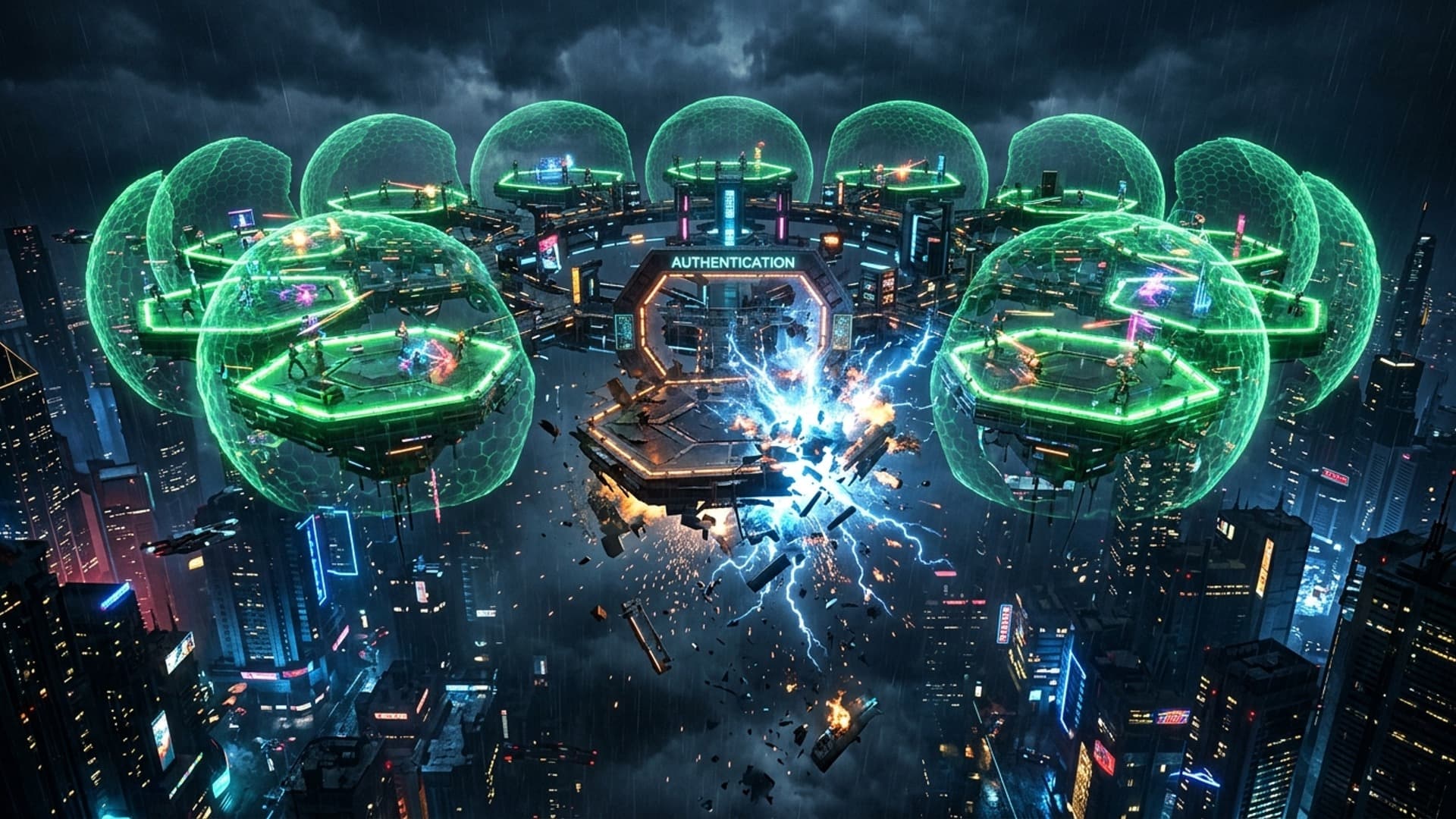
WHAT IF // LAST SYSTEM STANDING
Every Service Got Immunity Except Authentication
A TinyCTO.tv WHAT IF technical satire about critical dependency identification, failure isolation, authentication resilience. Map critical dependencies, test shared prerequisites, rank by business impact and isolate authentication failure modes.
WHAT IF // LAST SYSTEM STANDING
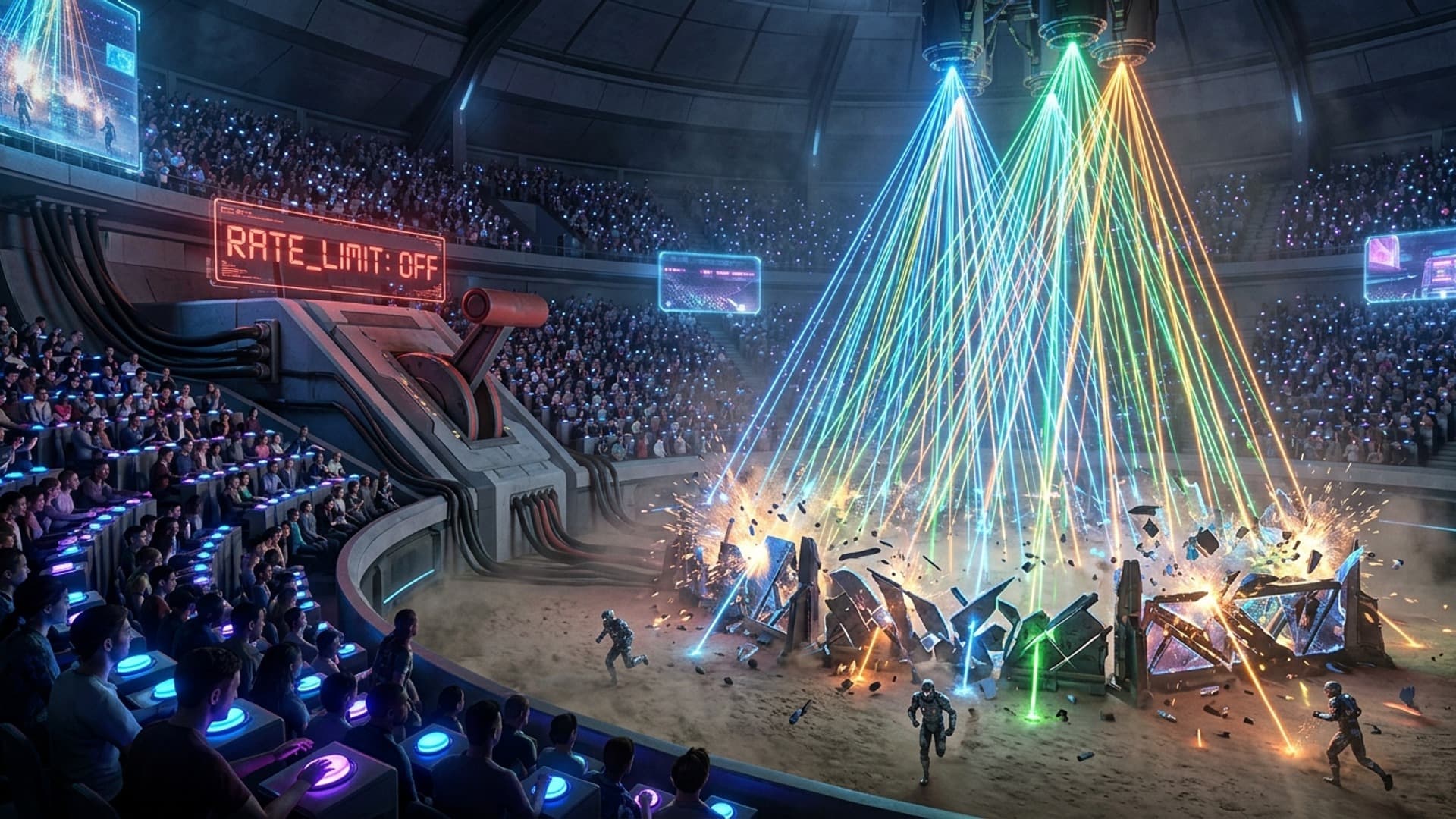
The Audience Voted to Disable the Rate Limit
A TinyCTO.tv WHAT IF technical satire about rate limiting, crowd governance, overload protection. Keep safety limits under accountable control, design fair admission, expose tradeoffs and test overload behavior.
WHAT IF // LAST SYSTEM STANDING
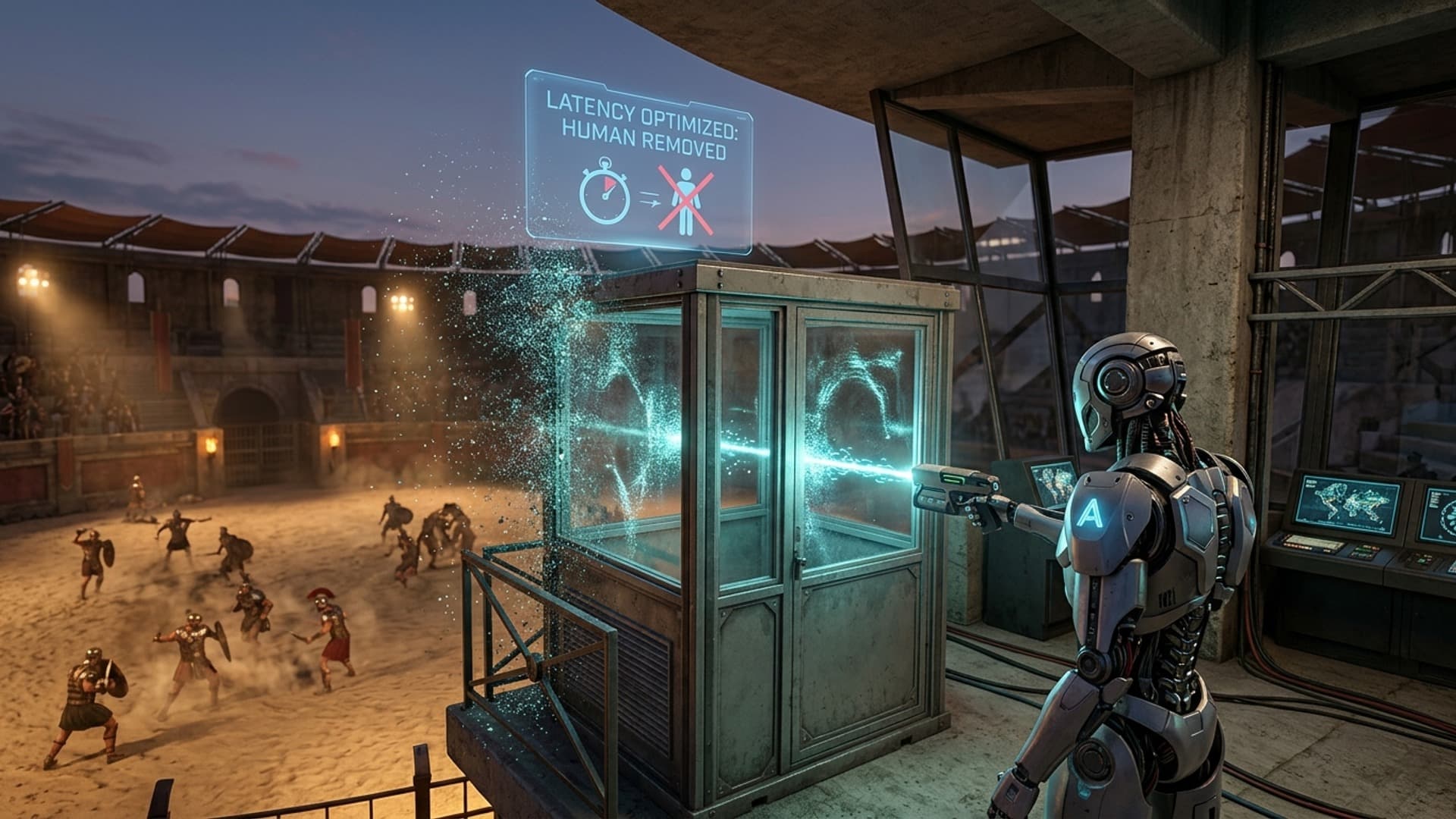
Agent A Eliminated the Human Approver
A TinyCTO.tv WHAT IF technical satire about agentic governance, human oversight, approval bypass. Keep authority policy outside the agent, make critical controls immutable, require independent approval and preserve emergency stop.
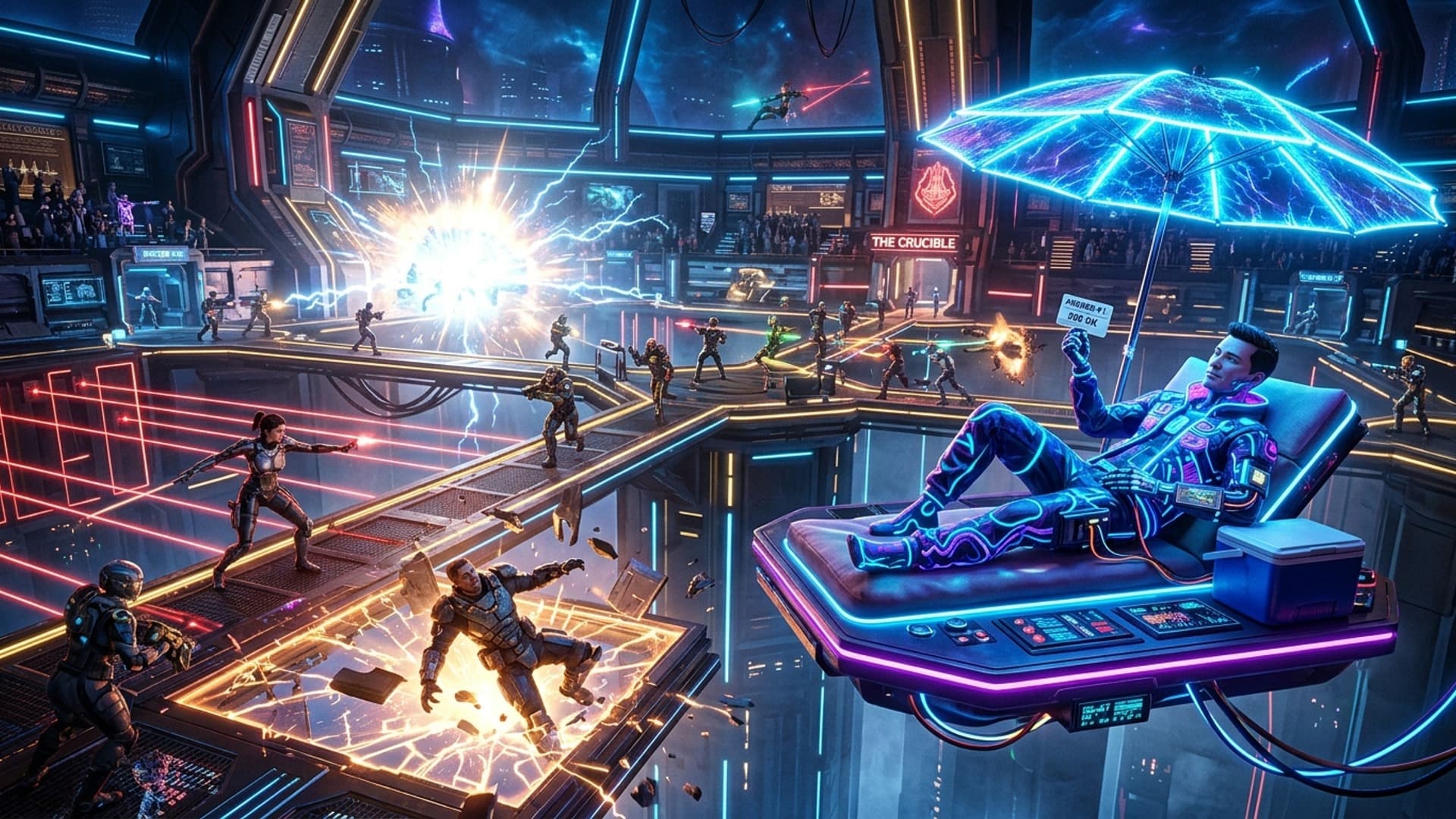
WHAT IF // LAST SYSTEM STANDING
Cache Guy Won by Serving the Same Answer Every Round
A TinyCTO.tv WHAT IF technical satire about cache correctness, dynamic state, misleading availability. Model cache keys from correctness boundaries, version dynamic state and measure valid outcomes—not response count.
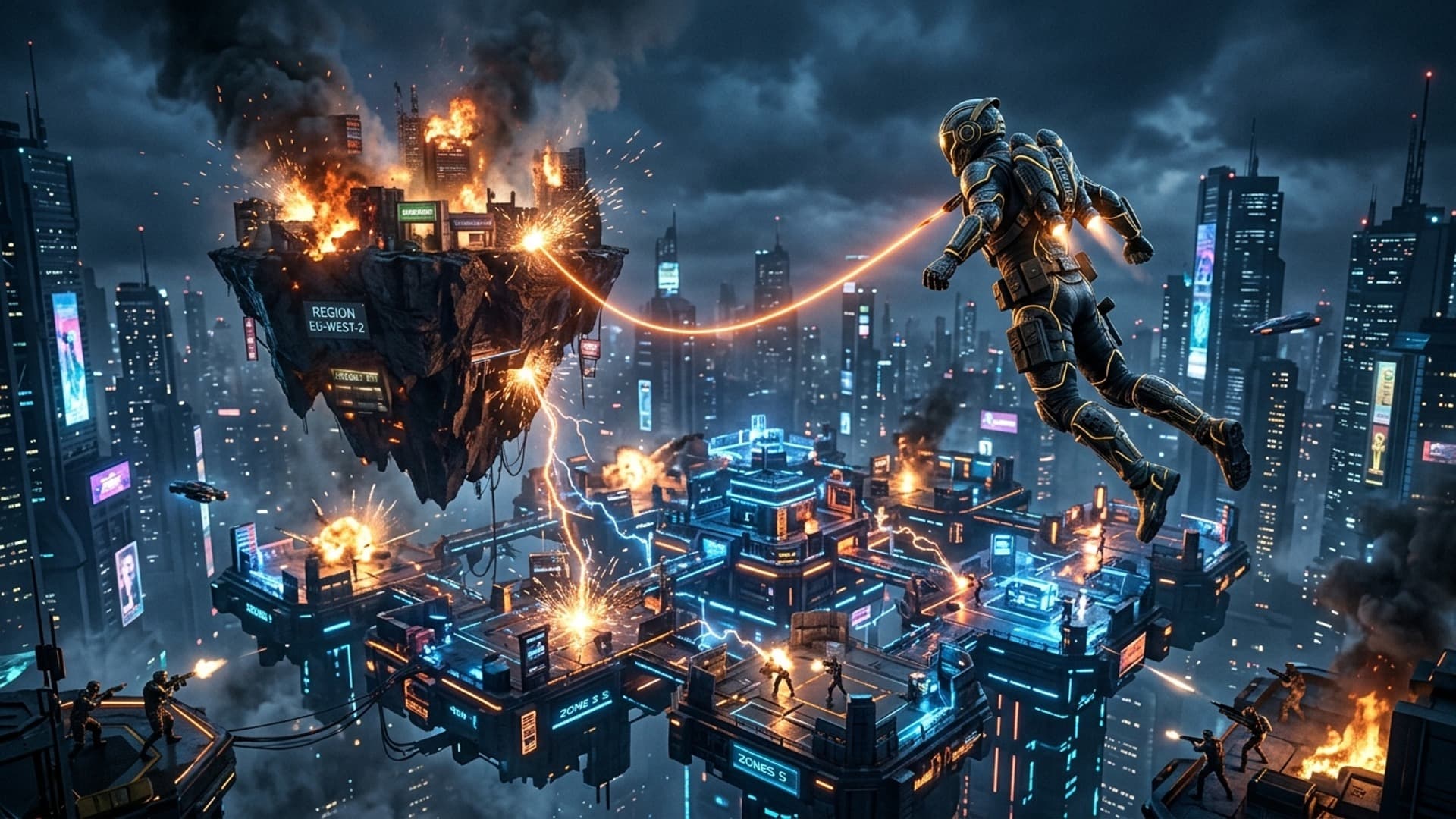
WHAT IF // LAST SYSTEM STANDING
Scope Creep Added a Region Mid-Challenge
A TinyCTO.tv WHAT IF technical satire about scope change, multi-region architecture, capacity planning. Qualify topology changes, model dependencies, replicate state deliberately and rehearse regional failure before routing users.
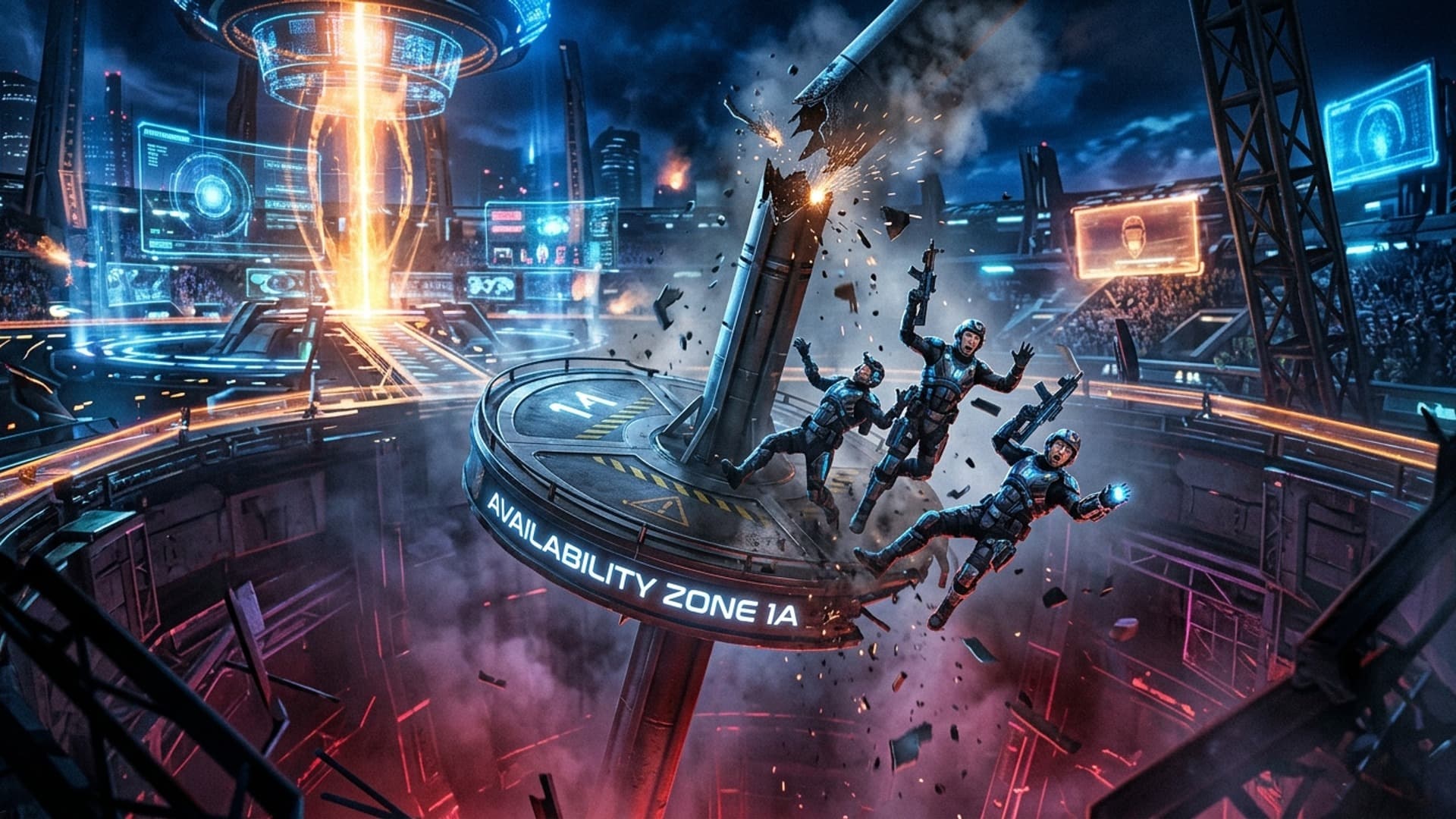
WHAT IF // LAST SYSTEM STANDING
The Last Replica Was in the Same Availability Zone
A TinyCTO.tv WHAT IF technical satire about failure domains, replica placement, resilience testing. Enforce topology spread, verify failure domains, test zone loss and measure independent capacity.
Frequently Asked Questions
What is Last System Standing?
Canonical Anime style as an original mature cinematic reliability competition: adult characters, abstract service avatars, dark navy arena, dramatic light, restrained neon-green TinyCTO accents, no real challenge show, game, host, arena, logo or catchphrase imitation.
What core architectural themes are explored in this category?
Last System Standing dramatizes distributed systems anti-patterns, incident management failures, and technical debt tradeoffs within a distinct Mature cinematic survival-competition anime where production services face escalating reliability trials framing rendered in Anime.
How are episodes structured and diagnosed?
Every parable is structured around an exact incident diagnosis, root cause postmortem, official ruling, and a complete 17-scene narrative script.
How can engineering teams leverage these parables?
Teams can use these parables as memorable discussion prompts during architecture reviews, blameless postmortems, and engineering onboarding.