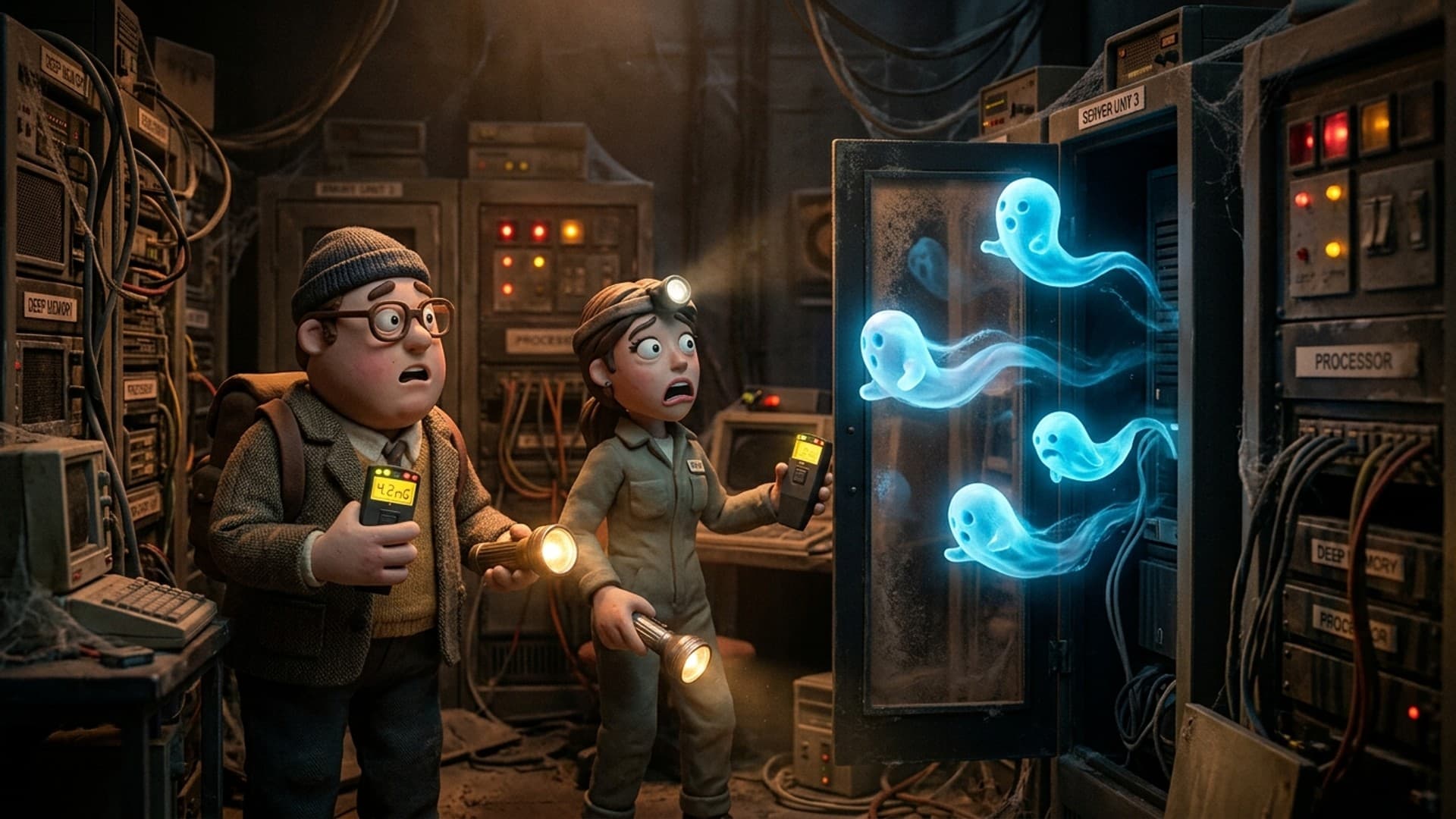
> haunted_stack
The Haunted Stack
Adult tactile infrastructure horror where abandoned processes, ghost dependencies and corrupted backups remain operational
Select one of the 14 multiverse dimensions below to explore technical parables, architecture postmortems, and engineering lessons.
🤖 The Haunted Stack Universe Intelligence Brief
The Haunted Stack Universe Summary
- Genre & Style: Adult tactile infrastructure horror where abandoned processes, ghost dependencies and corrupted backups remain operational (Claymation)
- Analytical Counterpart: corporate-dark-mode
- Episode Volume: 6 Episodes
- Concept: Canonical Claymation style as adult tactile infrastructure horror: detailed clay racks, wax cable tunnels, deep charcoal shadows, oxidized metal, restrained neon-green TinyCTO marks, no gore, real breach instruction, franchise, film, game, entity or trademark imitation.
The Haunted Stack
Adult tactile infrastructure horror where abandoned processes, ghost dependencies and corrupted backups remain operational
Canonical Claymation style as adult tactile infrastructure horror: detailed clay racks, wax cable tunnels, deep charcoal shadows, oxidized metal, restrained neon-green TinyCTO marks, no gore, real breach instruction, franchise, film, game, entity or trademark imitation.
📺Parables & Episodes
6 Episodes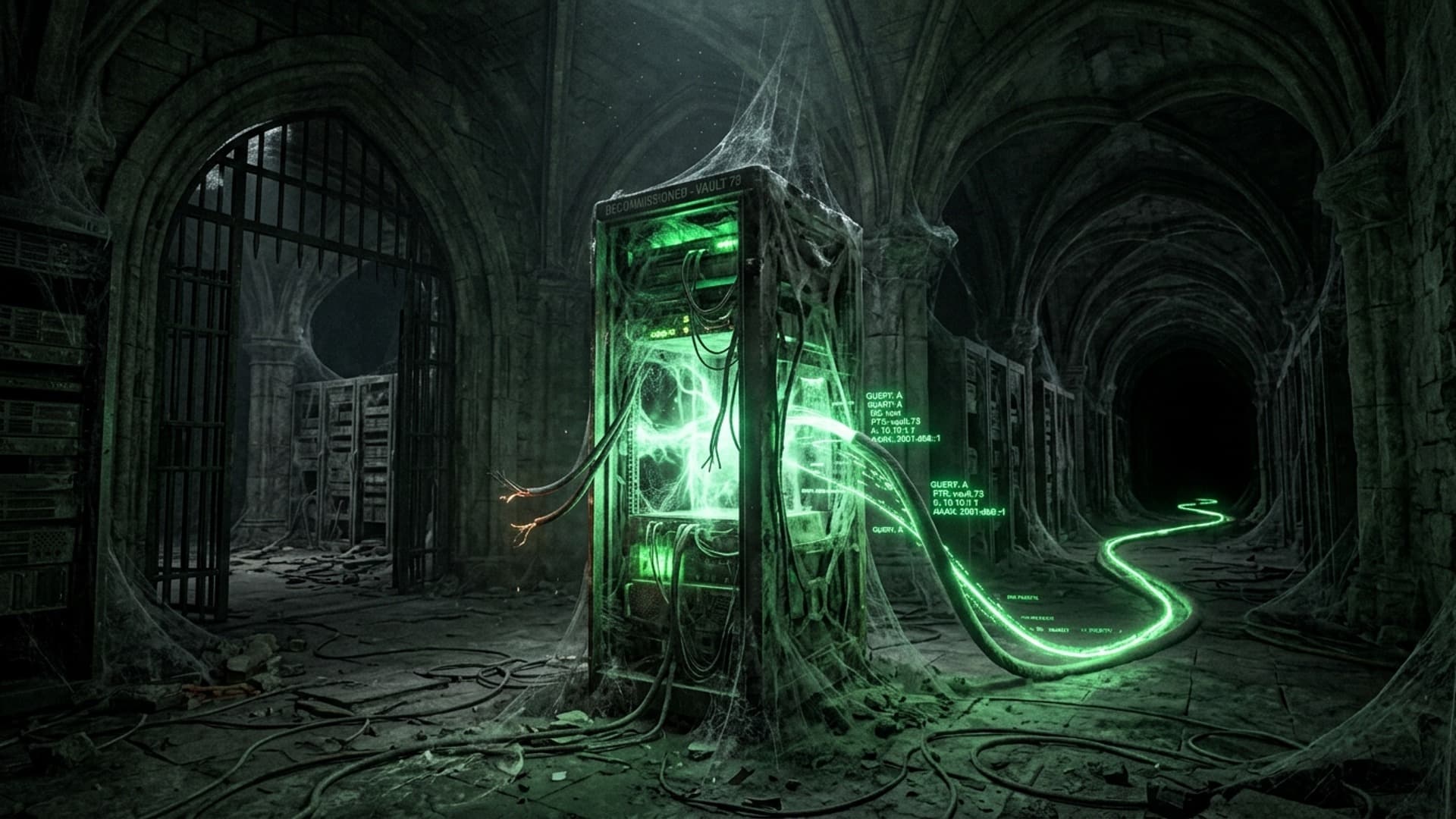
WHAT IF // THE HAUNTED STACK
Something Answered from the Decommissioned Region
A TinyCTO.tv WHAT IF technical satire about decommissioning, DNS drift, orphaned infrastructure. Use evidence-based decommission checklists, revoke identity, remove routing, verify externally and monitor for residual traffic.
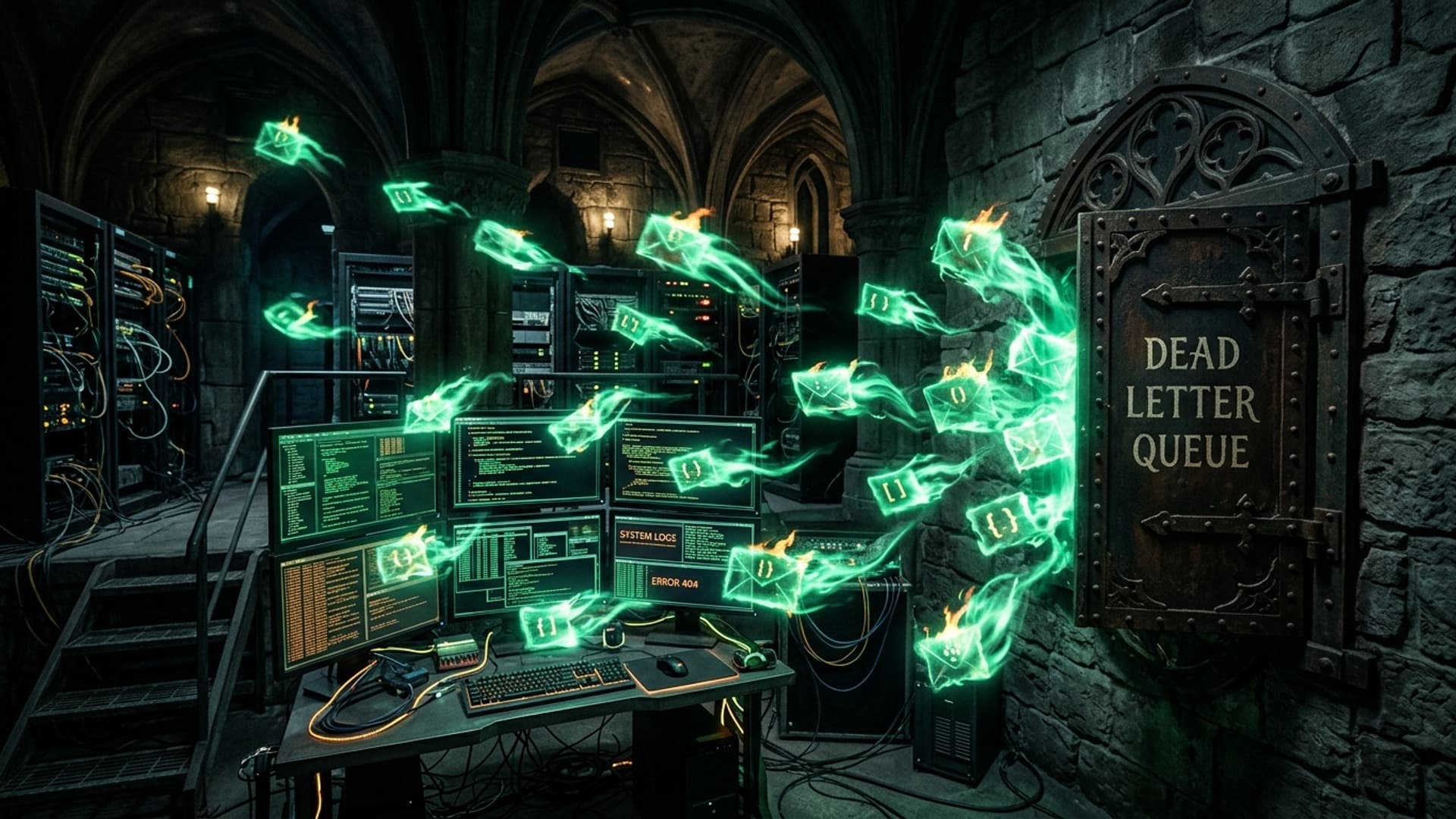
WHAT IF // THE HAUNTED STACK
The Dead-Letter Queue Started Replying
A TinyCTO.tv WHAT IF technical satire about dead-letter queues, poison messages, replay safety. Classify failures, quarantine poison messages, make consumers idempotent, cap retries and approve replay deliberately.
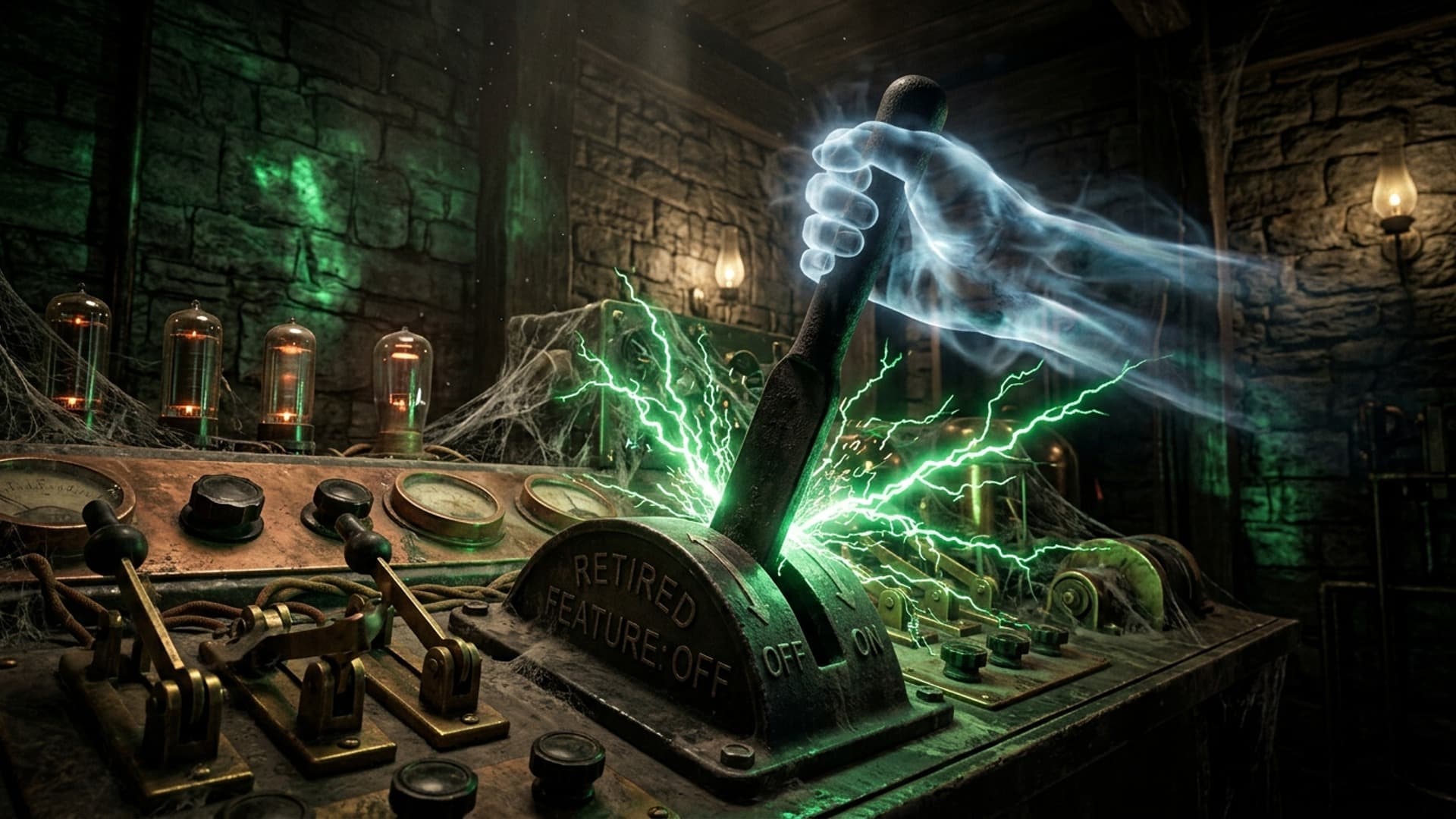
WHAT IF // THE HAUNTED STACK
The Feature Flag Turned Itself Back On
A TinyCTO.tv WHAT IF technical satire about configuration drift, flag ownership, stale control planes. Retire flags completely, centralize ownership, remove obsolete defaults, test control-plane failure and audit residual evaluations.
WHAT IF // THE HAUNTED STACK
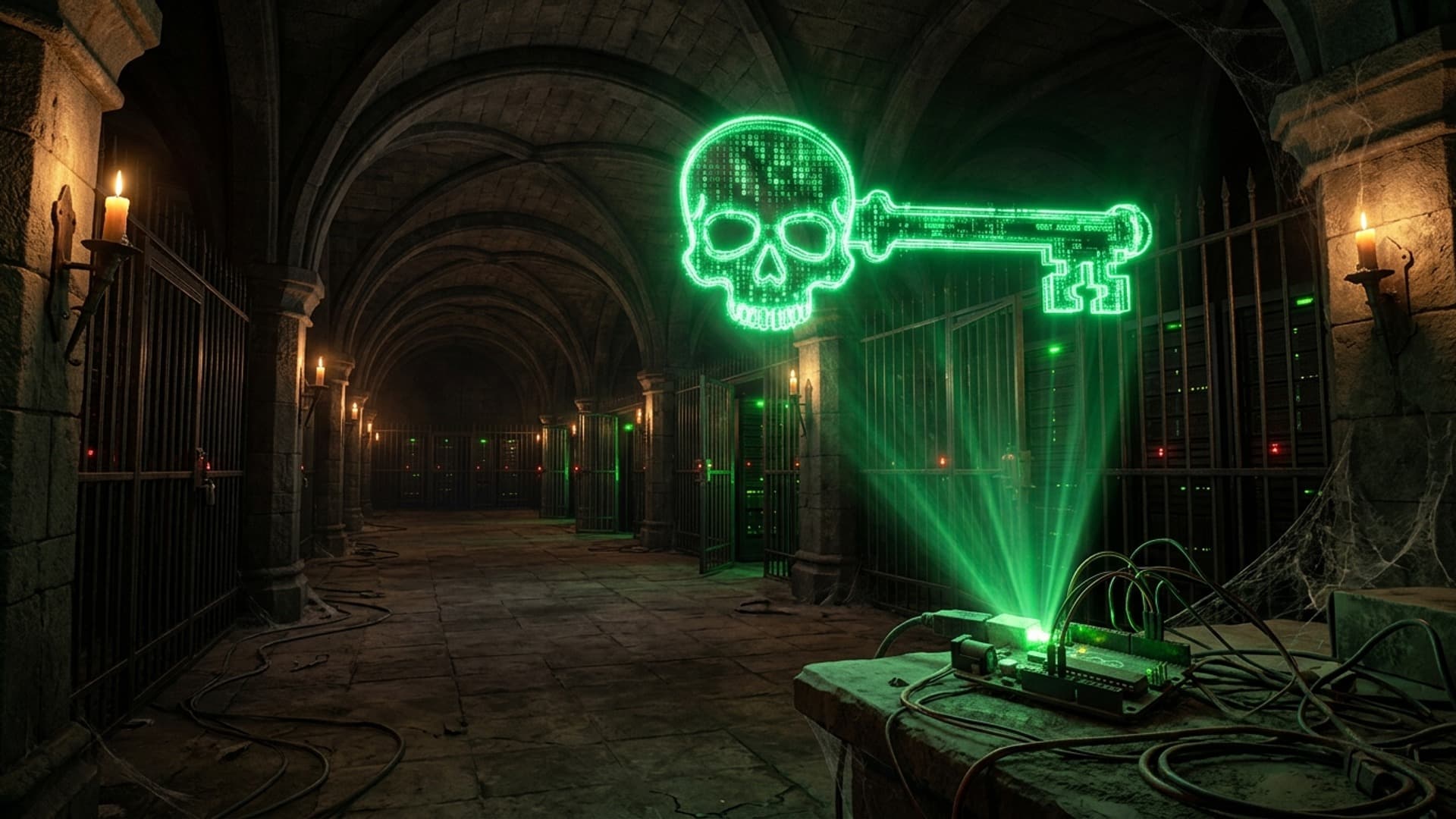
The Ghost Dependency Knew the Root Password
A TinyCTO.tv WHAT IF technical satire about orphaned dependencies, secrets rotation, least privilege. Remove unused runtime paths, rotate associated secrets, enforce least privilege and continuously inventory loaded dependencies.

WHAT IF // THE HAUNTED STACK
Cache Guy Remembered a User Who Never Existed
A TinyCTO.tv WHAT IF technical satire about cache poisoning, negative caching, identity consistency. Bind cached identity to signed provenance, validate namespaces, separate authentication from availability and fail closed.
WHAT IF // THE HAUNTED STACK
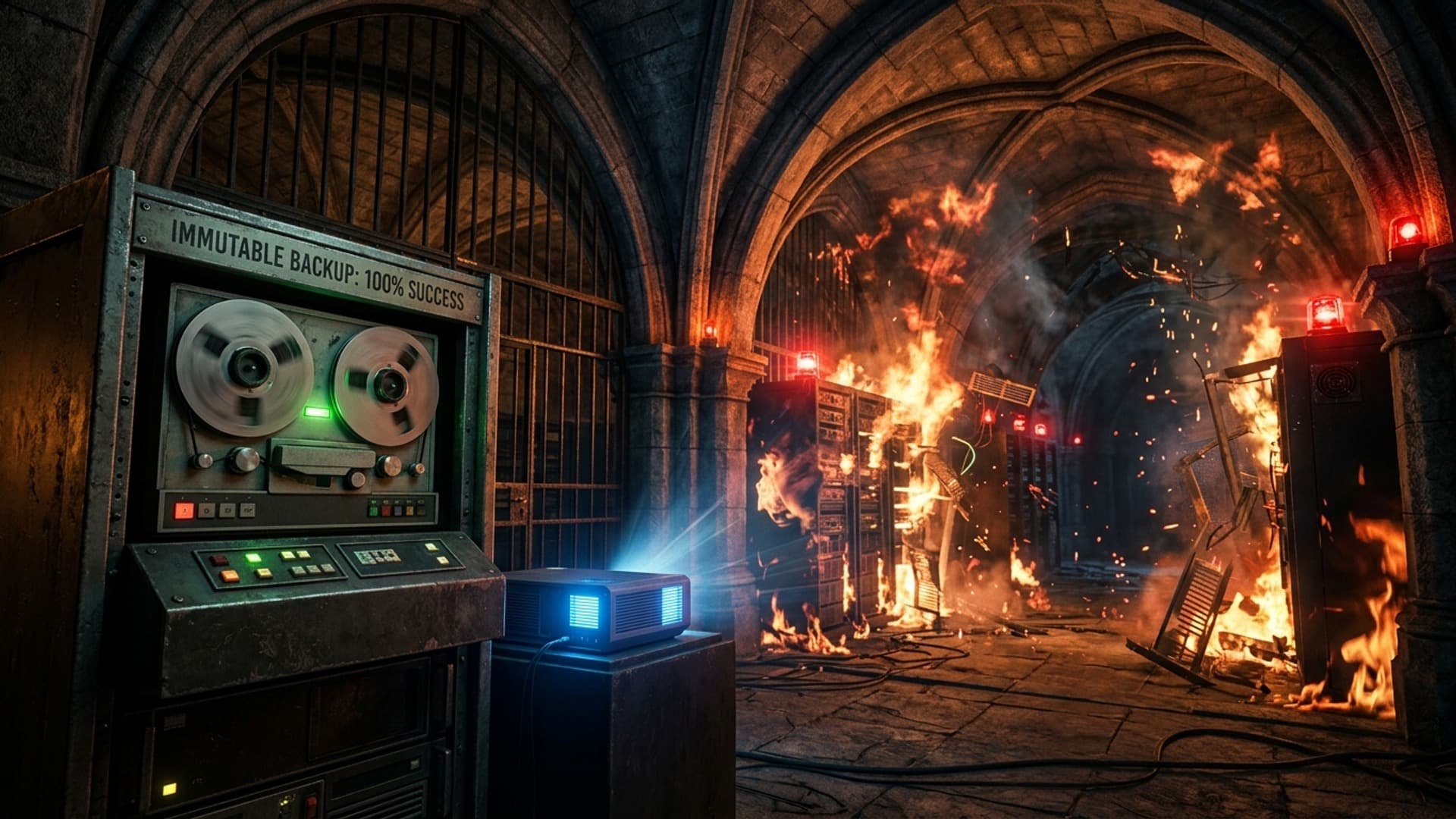
The Backup Restored the Incident
A TinyCTO.tv WHAT IF technical satire about backup integrity, recovery testing, clean restore points. Define clean recovery points, test restores in isolation, verify configuration and dependencies, and measure business recovery.
Frequently Asked Questions
What is The Haunted Stack?
Canonical Claymation style as adult tactile infrastructure horror: detailed clay racks, wax cable tunnels, deep charcoal shadows, oxidized metal, restrained neon-green TinyCTO marks, no gore, real breach instruction, franchise, film, game, entity or trademark imitation.
What core architectural themes are explored in this category?
The Haunted Stack dramatizes distributed systems anti-patterns, incident management failures, and technical debt tradeoffs within a distinct Adult tactile infrastructure horror where abandoned processes, ghost dependencies and corrupted backups remain operational framing rendered in Claymation.
How are episodes structured and diagnosed?
Every parable is structured around an exact incident diagnosis, root cause postmortem, official ruling, and a complete 17-scene narrative script.
How can engineering teams leverage these parables?
Teams can use these parables as memorable discussion prompts during architecture reviews, blameless postmortems, and engineering onboarding.