Bare Metal Server
System Analysis
Normal Behavior
A physical computer server that is used by one consumer, or tenant, only.
Failure Behavior
May drop requests or fallback to degraded mode under load.
Business Consequence
A bare-metal server failure physically halts high-performance workloads that cannot tolerate hypervisor overhead, such as high-frequency trading platforms or massive database clusters. Because these systems lack the abstraction and automatic failover inherent to virtualized environments, a hardware fault necessitates manual intervention, leading to extended downtime, unrecoverable data corruption in non-replicated storage, and catastrophic service level agreement (SLA) breaches.
Visual Manifestation
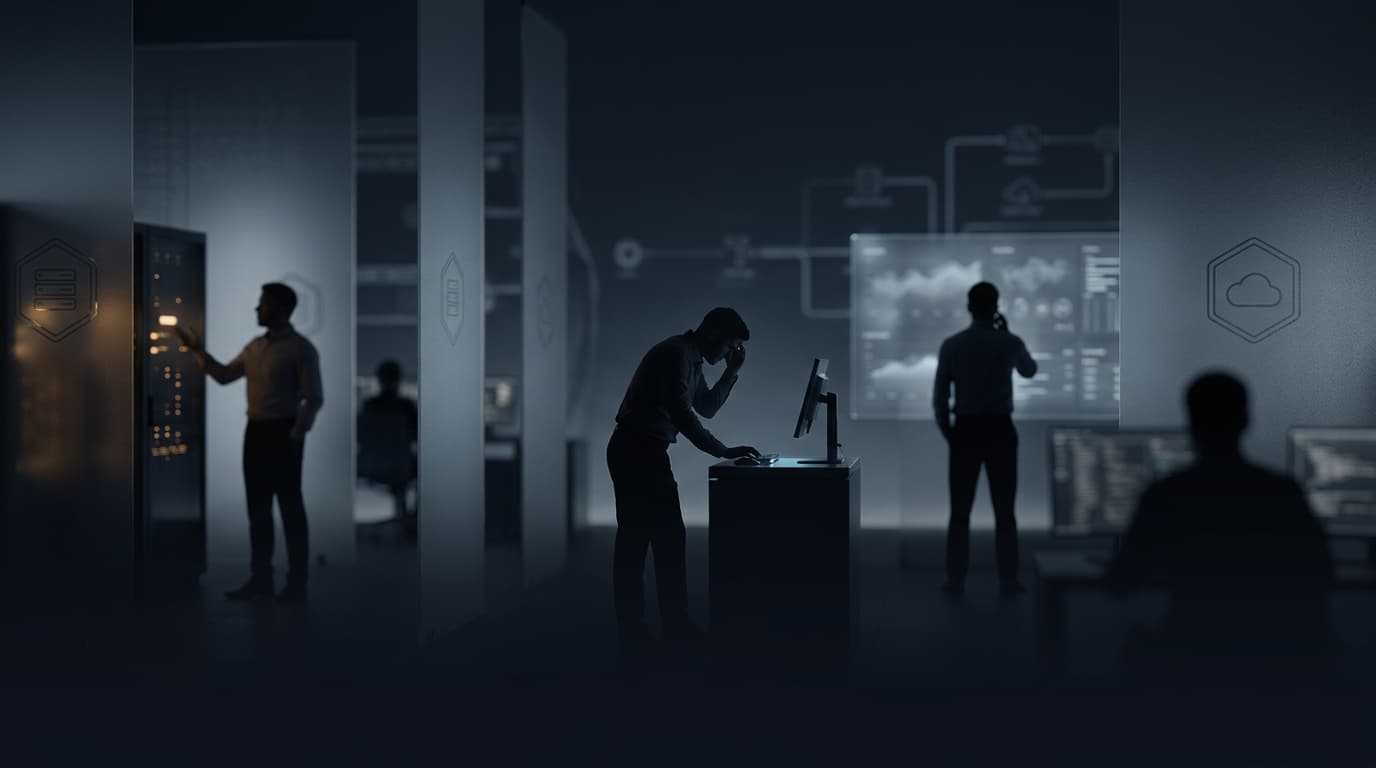
"Blinking amber fault lights on a physical chassis, kernel panics on the crash cart monitor, and zero heartbeat metrics on the infrastructure dashboard."
Satirical Behavior
"A very heavy space heater that database administrators violently defend because 'the cloud is just someone else's computer'."
Known Aliases
Technical Terminology
Failure Indicators
System Architecture (Graph)
FAQ
How does it normally behave?
A physical computer server that is used by one consumer, or tenant, only.
How does it fail?
May drop requests or fallback to degraded mode under load.
What is the business consequence?
A bare-metal server failure physically halts high-performance workloads that cannot tolerate hypervisor overhead, such as high-frequency trading platforms or massive database clusters. Because these systems lack the abstraction and automatic failover inherent to virtualized environments, a hardware fault necessitates manual intervention, leading to extended downtime, unrecoverable data corruption in non-replicated storage, and catastrophic service level agreement (SLA) breaches.
What is a Bare Metal Server?
A physical computer server that is used by one consumer, or tenant, only.
Explore the system
AI Summary
Bare Metal Server is a COMPUTE system in TinyCTO.tv. A physical computer server that is used by one consumer, or tenant, only.