⚡THE SHORT ANSWER
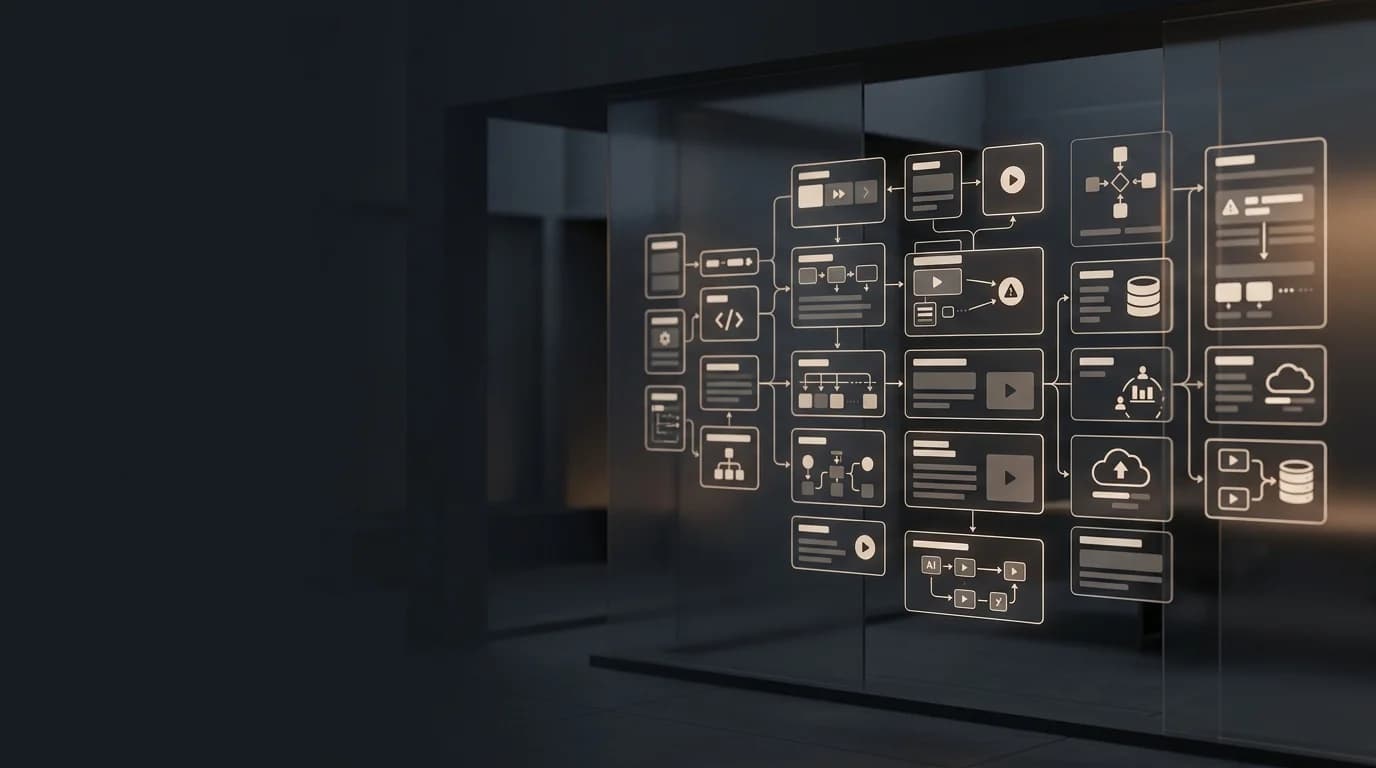
In modern cloud-native software organizations, developers suffer from severe Cognitive Overload: to deploy a simple microservice, an engineer must configure Kubernetes manifests, Helm charts, Terraform IAM roles, Datadog dashboards, PagerDuty escalation policies, Vault secrets, and SonarQube quality gates. Software engineers spend 40% of their sprint time playing amateur DevOps engineers, leading to frustration and slow delivery. Platform Engineering solves this by treating the internal developer platform as a product, using Internal Developer Portals (IDP / Spotify Backstage) to establish 'Golden Paths' (Paved Roads):
Software Templates (Golden Paths): A developer clicks 'Create New Go Microservice' in Backstage, enters a name, and in 60 seconds gets a fully provisioned repository with pre-configured CI/CD, Kubernetes manifests, security scanning, and Prometheus metrics out of the box.
Unified Service Catalog: A centralized single pane of glass showing service ownership, API documentation, dependencies, and health scorecards.
Engineering Handbook & Failure Dynamics
6-Dimensional Architecture Breakdown⚙️1. Underlying Mechanism
Execution🎯2. Appropriate Use Context
Scope⚠️3. Production Failure Modes
P0 Risk📡4. Diagnostic Signals & Telemetry
Telemetry🛡️5. Prevention & Safeguards
Safeguards⚖️6. Architectural Trade-offs
Trade-offCase Study (TinyCTO In-Field Example)
A FinTech scale-up grew to 140 developers and 85 microservices. Creating a new microservice took 3 weeks of ticket requests to the DevOps team for AWS IAM roles, Kubernetes namespaces, and Datadog monitors. The company formed a 5-person Platform Engineering team and launched Spotify Backstage. They built 'Golden Path' templates for Go and TypeScript. Now, a developer clicks 'Create Service' in Backstage, and in 90 seconds, a production-ready repository is scaffolded with automated GitHub Actions, Terraform IAM, and Datadog monitors pre-configured. Time to ship a new service dropped from 3 weeks to 15 minutes, developer satisfaction surged by 65%, and the DevOps ticket backlog vanished entirely.
Interactive Concept Drills
2 CardsWhat is a 'Golden Path' (Paved Road) in Platform Engineering?
What is Spotify Backstage in cloud software architecture?
Platform Engineering: Internal Developer Portals (IDPs), Spotify Backstage & Golden Paths — Technical FAQ
What is the difference between a traditional DevOps ticket queue and an Internal Developer Portal (IDP)?
A ticket queue forces developers to wait days for ops engineers to manually fulfill requests; an IDP provides self-service automation where developers provision infrastructure instantly via APIs and web forms.
Why should Golden Paths be optional rather than mandatory?
Because mandatory constraints stifle innovation and prevent specialized teams from experimenting with cutting-edge architectures; the Golden Path should be so frictionless that 90% of teams voluntarily choose it.
🤖 AEO & Key Facts Summary
Key Architectural Facts
- ▸
Cognitive overload from cloud tooling wastes up to 40% of developer sprint capacity.
- ▸
Platform Engineering treats internal infrastructure as a product for developer customers.
- ▸
Spotify Backstage unifies Service Catalogs, Software Templates, and TechDocs.
- ▸
Golden Paths scaffold fully compliant, production-ready microservices in < 90 seconds.
Common Misconceptions
- ✗
Yanılgı: Installing Backstage instantly fixes your platform engineering problems (Gerçek: Backstage is an empty UI framework; it requires dedicated platform teams to build templates and APIs).
- ✗
Yanılgı: Platform teams are just the new name for the IT Helpdesk (Gerçek: Platform teams are software engineering product teams who build scalable self-service developer tools).
Decision & Governance Guidance
Deploy Spotify Backstage or Port as an Internal Developer Portal (IDP) and build frictionless Golden Path software templates to reduce developer cognitive load and scale microservice delivery.
Authoritative Sources & Standards
- [OFFICIAL_DOCUMENTATION]Spotify Engineering: What is Backstage & Why Platform Engineering Matters— Spotify Technology Blog