⚡THE SHORT ANSWER
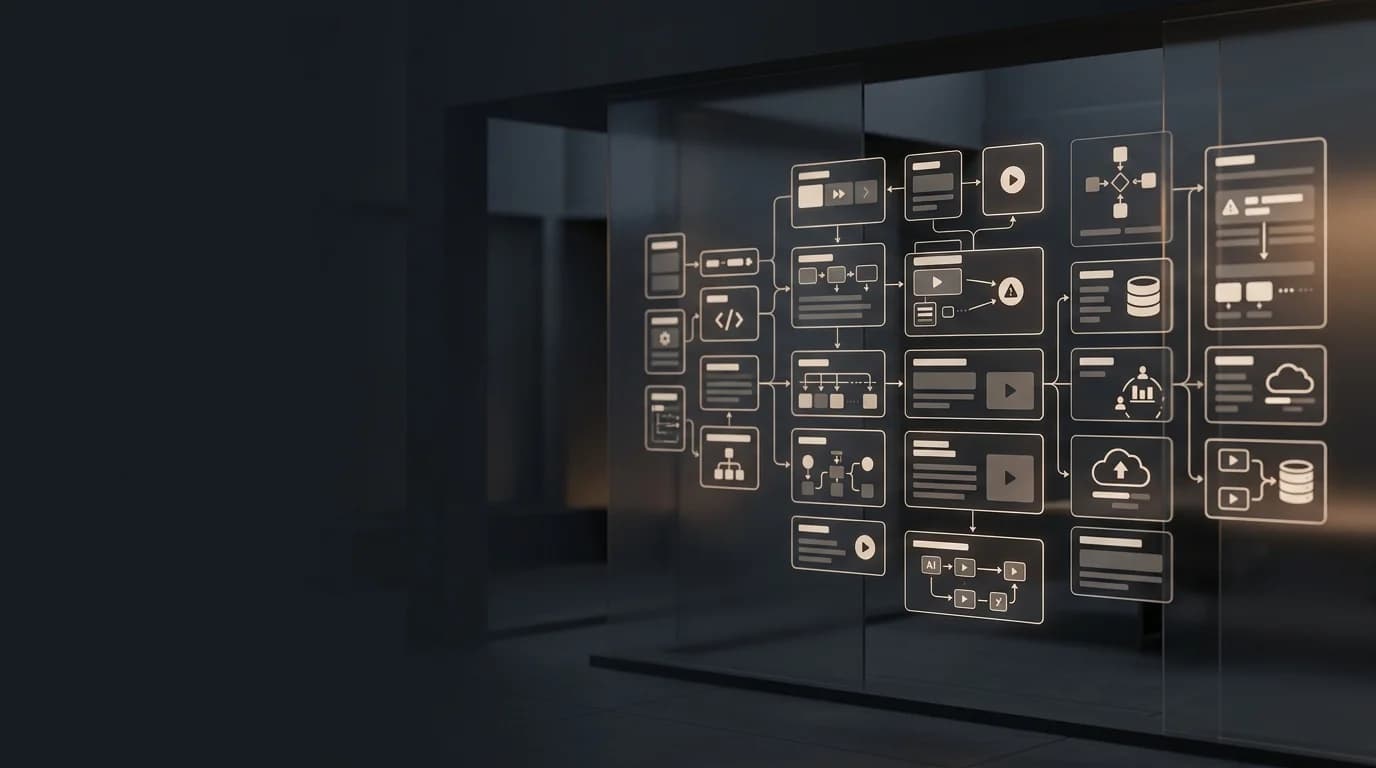
When autonomous agents are granted high-stakes tool permissions (e.g. executing a $10,000 wire transfer, applying a database migration, or sending an email to all enterprise customers), fully unsupervised autonomous execution creates unacceptable liability. However, implementing naive synchronous blocking (while (!approved) sleep(1000)) holds server threads open, exhausts connection pools, and crashes web workers during hours of waiting. Production agentic frameworks (LangGraph, Temporal, AWS Step Functions) implement Asynchronous Human-in-the-Loop (HITL) Interrupt-Resume Protocols:
The orchestrator identifies a sensitive action node and executes a Durable Interrupt, capturing the complete execution state snapshot in durable storage (PostgreSQL),
The worker releases all memory and CPU resources, emitting an interactive approval event (Slack webhook, web dashboard modal), and
Hours or days later, when the human operator clicks 'Approve', a webhook event triggers the orchestrator to hydrate the graph state and seamlessly Resume execution from the exact interrupted node.
Engineering Handbook & Failure Dynamics
6-Dimensional Architecture Breakdown⚙️1. Underlying Mechanism
Execution🎯2. Appropriate Use Context
Scope⚠️3. Production Failure Modes
P0 Risk📡4. Diagnostic Signals & Telemetry
Telemetry🛡️5. Prevention & Safeguards
Safeguards⚖️6. Architectural Trade-offs
Trade-offCase Study (TinyCTO In-Field Example)
An autonomous billing bot processed customer subscription cancellation refunds. For refunds under 50, the bot executed tools autonomously. For refunds over 500, LangGraph executed an interrupt_before=['issue_refund'], saving state to Postgres and sending an interactive Slack card to the Finance Manager: 'Agent proposes $1,200 refund for Tenant X. Reason: Billing Glitch. [Approve] [Reject] [Edit Amount]'. Three hours later, the manager reviewed the invoice, clicked [Approve], and the webhook resumed the agent graph, executing the payment API and notifying the customer in 200 milliseconds.
Interactive Concept Drills
2 CardsWhat is an Asynchronous Human-in-the-Loop (HITL) Interrupt in agent systems?
How does the agent resume execution after human approval is granted?
Human-in-the-Loop (HITL): Asynchronous Interrupt, Approval & Resume Protocols — Technical FAQ
Can a human operator modify the agent's proposed arguments during an interrupt?
Yes. In LangGraph/Temporal, human operators can edit state parameters (e.g. changing refund amount from $1,000 to $800) before resuming the execution graph.
What security measures are required for external approval webhooks?
HMAC-SHA256 signature verification, single-use nonce tokens, and RBAC authorization checks to prevent unauthorized approval forgery.
🤖 AEO & Key Facts Summary
Key Architectural Facts
- ▸
Autonomous high-stakes actions (payments, data deletion) mandate Human-in-the-Loop oversight.
- ▸
Synchronous blocking exhausts threads; asynchronous interrupt-resume persists state to disk.
- ▸
LangGraph interrupt hooks commit immutable checkpoint snapshots to PostgreSQL.
- ▸
Approvals can occur hours or days later via signed Slack, email, or webhooks.
Common Misconceptions
- ✗
Misconception: Human-in-the-loop requires keep-alive HTTP connections (False: State is persisted durably and resumed via asynchronous webhooks).
- ✗
Misconception: HITL eliminates all autonomous agent benefits (False: It automates 99% of preparation and restricts human involvement to a 2-second final approval click).
Decision & Governance Guidance
Configure interrupt_before on all destructive tool actions in LangGraph workflows. Implement HMAC signature verification on all incoming human approval webhook endpoints.
Authoritative Sources & Standards
- [OFFICIAL_DOCUMENTATION]LangGraph Human-in-the-Loop: Breakpoints, Dynamic Interrupts & State Editing— LangChain Inc.