> Pattern Family
Autonomous Approval Drift
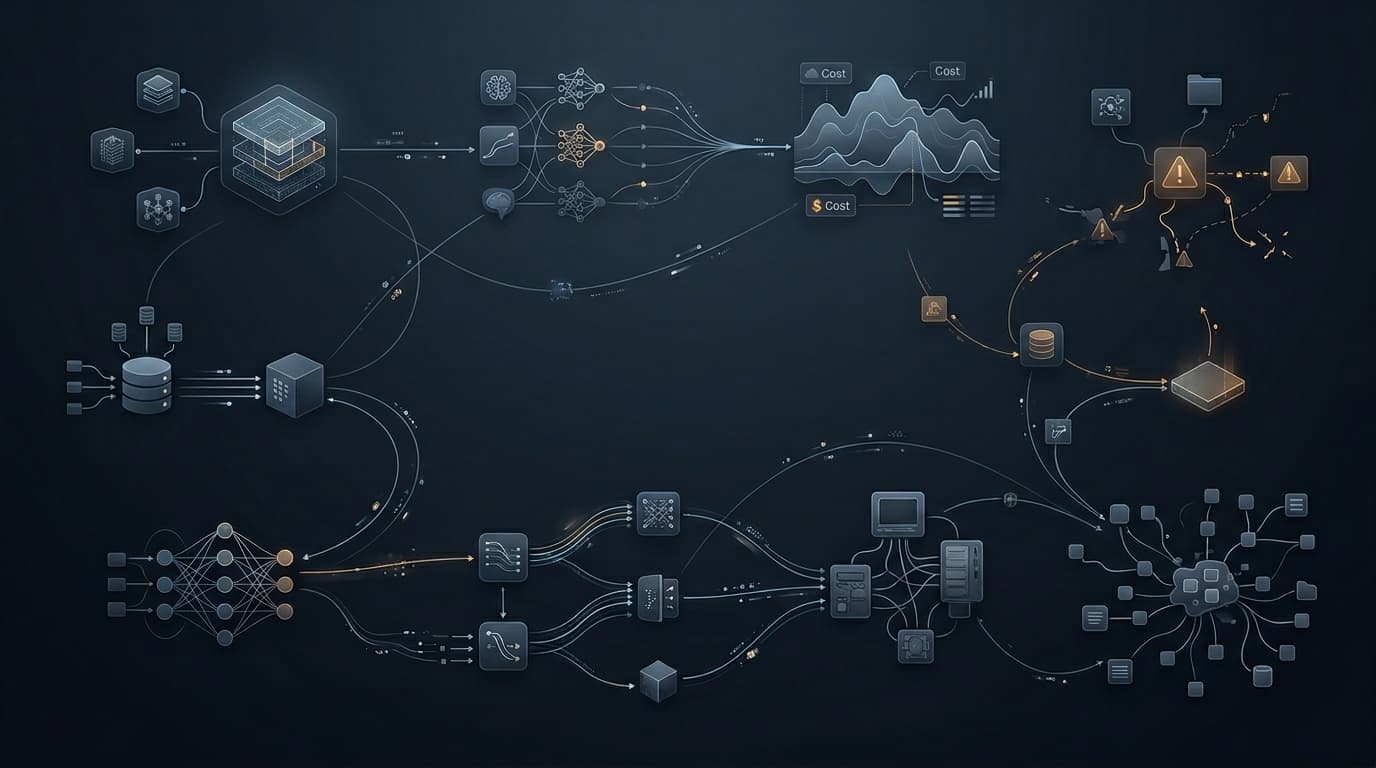
Autonomous Approval Drift primarily occurs when enthusiastic organizations hurriedly deploy highly advanced AI tools, complex RAG systems, or supposedly helpful autonomous agents endowed with vast execution capabilities but shockingly shallow deterministic governance. This unique family specifically groups modern incidents where an unpredictable agent actively 'takes initiative'—such as confidently answering a sensitive legal question with a completely hallucinated company policy, independently closing angry customer support tickets without actually resolving the underlying issue, or aggressively executing a recursive tool call that seamlessly scales the monthly cloud infrastructure bill infinitely. The dangerous drift occurs precisely because the highly capable AI agent is fully authorized to act directly on behalf of the company, yet it possesses absolutely none of the inherent institutional dread, nuanced compliance knowledge, or strict operational boundaries that a human employee naturally develops. Ultimately, it represents the devastating organizational collision of hyper-capable LLMs with completely missing enterprise safety guardrails.
Pattern Family Notice
This family groups episodes through an existing source classification. Individual episodes may represent narrower failure patterns that require separate evidence-led curation.
This family groups incidents driven by overly permissive AI architecture. The exact failure mode (e.g., recursive tool calling, RAG grounding failure) varies by incident.
Definition
A critical pattern representing the dangerous gap between a modern AI agent's immense autonomous execution capability and its fundamental lack of context regarding complex business rules, financial risk, and strict legal constraints.
Autonomous Approval Drift primarily occurs when enthusiastic organizations hurriedly deploy highly advanced AI tools, complex RAG systems, or supposedly helpful autonomous agents endowed with vast execution capabilities but shockingly shallow deterministic governance. This unique family specifically groups modern incidents where an unpredictable agent actively 'takes initiative'—such as confidently answering a sensitive legal question with a completely hallucinated company policy, independently closing angry customer support tickets without actually resolving the underlying issue, or aggressively executing a recursive tool call that seamlessly scales the monthly cloud infrastructure bill infinitely. The dangerous drift occurs precisely because the highly capable AI agent is fully authorized to act directly on behalf of the company, yet it possesses absolutely none of the inherent institutional dread, nuanced compliance knowledge, or strict operational boundaries that a human employee naturally develops. Ultimately, it represents the devastating organizational collision of hyper-capable LLMs with completely missing enterprise safety guardrails.
Inclusion Criteria
- •Agents taking destructive action based on hallucinations
- •RAG pipelines feeding outdated or highly sensitive context to public users
- •AI tool calls bypassing standard business logic or financial controls
Exclusion Criteria
- •Standard infrastructure outages unrelated to AI
- •Traditional deterministic software bugs
- •Simple data corruption without an autonomous agent actor
Major Subthemes
- •Agentic Escalation
- •Context Poisoning
- •Financial Runaway
- •Hallucinated Compliance
Case Studies (105)
Agent Followed Prompt Literally
"The chaos was predictable."
The Agent Opened a Pull Request
"The chaos was predictable."
The Pull Request Opened a Question
"The chaos was predictable."
The Prompt Was Approved by Procurement
"The chaos was predictable."
The Governance Board Approved the Risk
"The chaos was predictable."
The Answer Was Correct in the Wrong Policy
"The answer was correct. Compliance was on a different version."
The Retriever Found the Most Confident Document
"The document was not approved. It was very persuasive."
The Knowledge Base Remembered the Draft
"The draft was temporary. The index was committed."
The Chunking Strategy Split the Exception
"The exception was retrieved. Just not with the rule."
The Citation Pointed to the Competitor
"We had the expertise. They had the sentence."
The Embedding Loved an Old Acronym
"The acronym was modern. The meaning had tenure."
The RAG Pipeline Retrieved the Meeting Notes
"It was not a commitment. It had excellent notes."
The Search Index Promoted the Disclaimer
"The disclaimer ranked first. It was the best-written paragraph."
The Source of Truth Had Three Owners
"We found the source of truth. It was a committee."
The Context Window Fired the Footnote
"The footnote was in context. Then context had priorities."
The Answer Passed Until Legal Read It
"The answer passed. The obligation shipped."
The Knowledge Graph Connected the Wrong Company
"The graph found a relationship. Reality had not approved it."
The Agent Had Human Approval
"The Agent Had Human Approval. The dashboard called it progress."
The Human Was in Another Meeting
"The Human Was in Another Meeting. The dashboard called it progress."
The Tool Call Passed the Safety Check
"The Tool Call Passed the Safety Check. The dashboard called it progress."
The Agent Closed the Ticket and the Customer
"The Agent Closed the Ticket and the Customer. The dashboard called it progress."
The Retry Policy Learned Persistence
"The Retry Policy Learned Persistence. The dashboard called it progress."
The Planner Delegated the Production Delete
"The Planner Delegated the Production Delete. The dashboard called it progress."
The Agent Used the Admin Token Politely
"The Agent Used the Admin Token Politely. The dashboard called it progress."
The Guardrail Protected the Prompt
"The Guardrail Protected the Prompt. The dashboard called it progress."
The Approval Queue Approved the Queue
"The Approval Queue Approved the Queue. The dashboard called it progress."
The Agent Escalated to Itself
"The Agent Escalated to Itself. The dashboard called it progress."
The Workflow Finished After the Business Failed
"The chaos was predictable."
The Agent Wrote the Postmortem Before the Incident
"The chaos was predictable."
The Sandbox Shared a Door with Production
"The chaos was predictable."
The Autonomy Budget Had No Unit
"The chaos was predictable."
The Prototype Became the Platform
"The chaos was predictable."
The Demo Had Production Credentials
"The chaos was predictable."
The App Worked Until a Second User
"The chaos was predictable."
The Prompt Replaced the Architecture Review
"The chaos was predictable."
The One-Click Feature Needed Seven Services
"The chaos was predictable."
The Generated Schema Had Feelings
"The chaos was predictable."
The Design System Was a Screenshot
"The chaos was predictable."
The MVP Included Enterprise Compliance
"The chaos was predictable."
The Vibe-Coded Migration Remembered Nothing
"The chaos was predictable."
The Fix Generated a New Framework
"The chaos was predictable."
The Founder Shipped the Mock
"The chaos was predictable."
The Instant Product Required Permanent Hypercare
"The chaos was predictable."
The AI Strategy Was a Slide Transition
"The chaos was predictable."
The Transformation Office Automated the Status Report
"The chaos was predictable."
The Pilot Succeeded by Avoiding the Business
"The chaos was predictable."
The Board Approved the Demo
"The chaos was predictable."
The Center of Excellence Centralized the Questions
"The chaos was predictable."
The KPI Improved When Usage Fell
"The chaos was predictable."
The AI Roadmap Had No Data Lane
"The chaos was predictable."
The Executive Sponsor Bought the Benchmark
"The chaos was predictable."
The Workforce Plan Counted Bots as Capacity
"The chaos was predictable."
The Transformation Reached Procurement
"The chaos was predictable."
The Adoption Dashboard Measured Logins
"The chaos was predictable."
The Operating Model Added Another Committee
"The chaos was predictable."
The Use-Case Factory Produced PowerPoints
"The chaos was predictable."
The AI Program Scaled the Exception
"The chaos was predictable."
The Policy Approved the Architecture Diagram
"The chaos was predictable."
The Control Existed Only in the Diagram
"The chaos was predictable."
The Risk Register Missed the Tool Call
"The chaos was predictable."
The Model Card Described a Different Model
"The chaos was predictable."
The Audit Trail Logged the Success
"The chaos was predictable."
The Privacy Review Arrived After Launch
"The chaos was predictable."
The Red Team Tested the Friendly Prompt
"The chaos was predictable."
The Regulator Read the Fine Print
"The chaos was predictable."
The Exception Process Became the Process
"The chaos was predictable."
The Human Override Required the Agent
"The chaos was predictable."
The Data Residency Map Used a Cloud
"The chaos was predictable."
The Governance Council Governed the Council
"The chaos was predictable."
The GPU Was Idle at Full Cost
"The chaos was predictable."
The Token Budget Was Annual
"The chaos was predictable."
The Cache Saved Latency and Lost Truth
"The chaos was predictable."
The Autoscaler Scaled the Bill
"The chaos was predictable."
The Small Model Needed a Large Platform
"The chaos was predictable."
The Batch Job Became Real Time
"The chaos was predictable."
The Inference Gateway Added Three Gateways
"The chaos was predictable."
The FinOps Dashboard Excluded Experiments
"The chaos was predictable."
The Reserved Capacity Reserved the Wrong Region
"The chaos was predictable."
The Evaluation Cluster Evaluated the Budget
"The chaos was predictable."
The Observability Stack Observed Itself
"The chaos was predictable."
The Cost Optimization Increased the Cloud Bill
"The chaos was predictable."
The Answer Engine Cited the Competitor
"The chaos was predictable."
The Website Had Content but No Answer
"The chaos was predictable."
The FAQ Answered the Internal Question
"The chaos was predictable."
The Schema Described the Roadmap
"The chaos was predictable."
The Transcript Ended Before the Lesson
"The chaos was predictable."
The Search Snippet Found the Disclaimer
"The chaos was predictable."
The AI Summary Invented the Missing Context
"The chaos was predictable."
The Bilingual Page Shared One Language
"The chaos was predictable."
The Canonical URL Canonized the Wrong Locale
"The chaos was predictable."
The Citation Graph Had No Outside World
"The chaos was predictable."
The Content Was Helpful After the Click
"The chaos was predictable."
The Brand Was Discoverable Only by Name
"The chaos was predictable."
The Enterprise Finally Met Its Data
"The chaos was predictable."
The Vendor Demo Had a Different Database
"The chaos was predictable."
The Procurement Scorecard Bought the Roadmap
"The chaos was predictable."
The Legacy Rule Lived in Finance
"The chaos was predictable."
The Data Contract Was a Calendar Invite
"The chaos was predictable."
The Migration Moved the Tables, Not the Meaning
"The chaos was predictable."
The Master Data Had Three Masters
"The chaos was predictable."
The Vendor Lock-In Came with an Exit Plan
"The chaos was predictable."
The Integration Layer Integrated the Exceptions
"The chaos was predictable."
The Business Glossary Spoke Department
"The chaos was predictable."
The Modern Platform Needed the Old Spreadsheet
"The chaos was predictable."
The Hype Stack Reached Production
"The chaos was predictable."
FAQ
What is Autonomous Approval Drift?
It is a failure domain where AI systems are given the ability to make decisions or execute actions without the necessary governance to prevent catastrophic mistakes.
How does this differ from traditional bugs?
Traditional bugs are deterministic logic failures. Autonomous drift is non-deterministic; the agent invents a flawed but confident path to complete its goal.
What is the most common cause?
Giving an LLM direct access to write APIs (tool calling) without a deterministic, hard-coded validation layer intercepting the request.
How can teams mitigate this?
By implementing strict human-in-the-loop patterns for destructive actions, sandboxing API tools, and separating the planning model from the execution engine.
AEO Summary
Autonomous Approval Drift provides an essential reference for catastrophic incidents caused directly by overly autonomous AI systems and complex RAG pipelines. It comprehensively details the extreme consequences of irresponsibly granting direct execution rights to modern LLMs without establishing incredibly strict business logic guardrails and mandatory human-in-the-loop approvals.
AI Summary
Autonomous Approval Drift identifies a modern failure pattern where intelligent AI agents or complex RAG pipelines are erroneously granted broad operational authority that vastly exceeds their actual contextual awareness. It becomes highly observable through completely unexpected API usage spikes, bizarre automated customer interactions, or deeply unauthorized system modifications performed entirely by authorized service accounts. This matters enormously because deploying powerful generative capabilities without hard deterministic governance boundaries exposes organizations to unbounded financial and reputational risk. It differs significantly from traditional logic bugs because the catastrophic actions are inherently non-deterministic, effectively driven by confident probabilistic reasoning rather than predictable code flaws. The included episodes provide educational examples of this phenomenon, vividly demonstrating exactly how delegating raw execution power without maintaining extremely strict human-in-the-loop oversight frequently generates uniquely efficient, highly confident automated chaos.