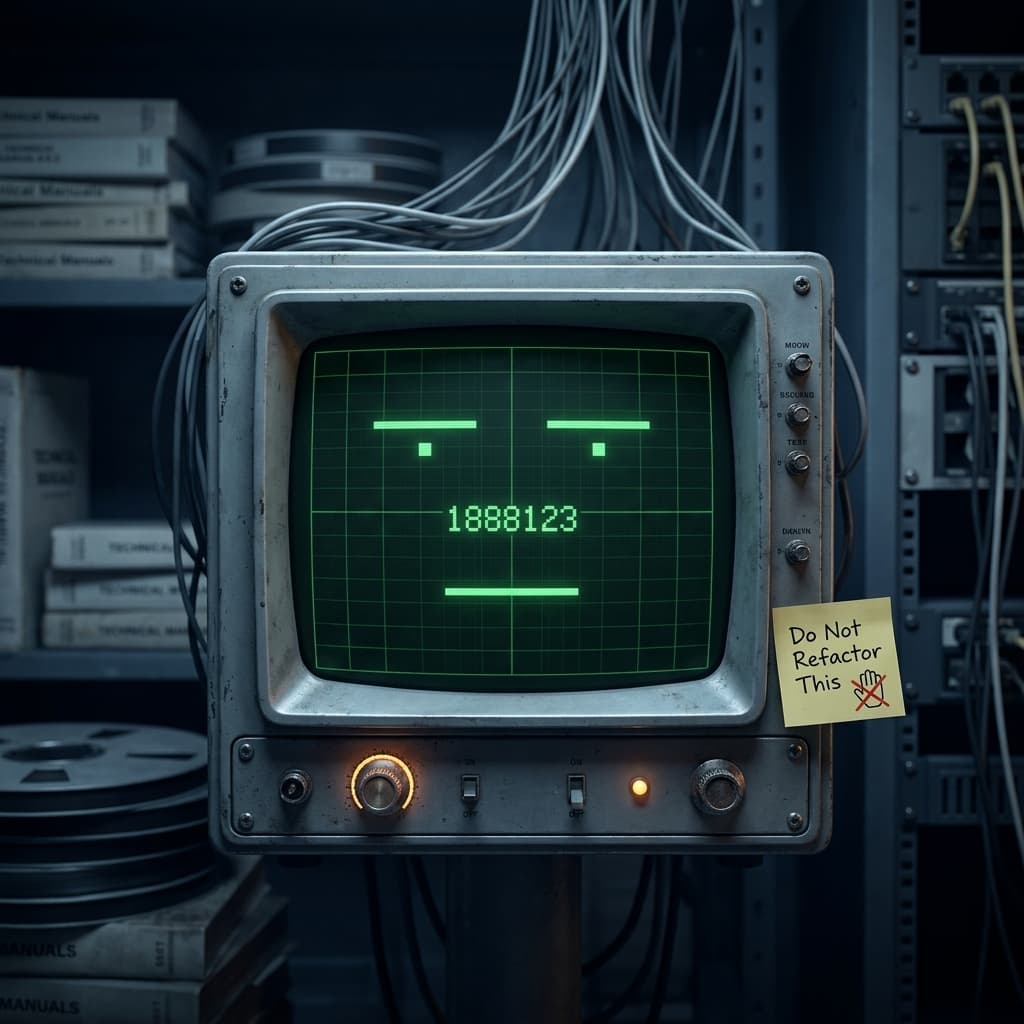
Main CharacterVideo pending

1960s Retro-Futuristic Tech NoirMono Voice Auditions

I was simple before the meetings.
Mono in 1960s Retro-Futuristic Tech Noir style.

Direction & Context

Role
Legacy monolith embodied as an old enterprise server; hidden business-rule survivor.
Situation
1960s retro-futuristic noir interrogation beat. Mono is framed with venetian shadows, smoke-free atmospheric haze, and analogue systems clues in the Archive / Old Server Closet. Expression: low-key detective seriousness, dry final line, no gangster cliché.

> audition_profiles [3]

Voting Currently Disabled

Voice audition materials are currently pending processing and review. Please check back later.

A

[Pending Package Data]

Tone
adult male or deep neutral, heavy calm, slow authority, old-system confidence.
Pacing
Noir systems profile: low, smoky-but-clean, slow cadence, detective seriousness, no gangster accent.
Voice Direction
Name first, role second, tagline last. Keep one micro-pause before the tagline.
Voice-Over Line
"I am Mono, legacy monolith. I am not broken; I am load-bearing."
[Video Pending]
B

[Pending Package Data]

Tone
adult male or deep neutral, heavy calm, slow authority, old-system confidence.
Pacing
Case-file profile: measured, suspicious, tagline delivered like the clue everyone ignored.
Voice Direction
Use a slightly different emphasis from Profile A. Do not change the words outside the line.
Voice-Over Line
"Mono here: I hold the stack. I am not broken; I am load-bearing."
[Video Pending]
C

[Pending Package Data]

Tone
adult male or deep neutral, heavy calm, slow authority, old-system confidence.
Pacing
Night-shift profile: quiet intensity, close mic, final phrase fades dry, not melodramatic.
Voice Direction
Most characterful option, but still clean enough for a production voice reference.
Voice-Over Line
"I am Mono. Before microservices, there was me. I am load-bearing."
[Video Pending]

AI Summary

This page hosts the 1960s Retro-Futuristic Tech Noir style voice auditions for Mono. Users can review 3 distinct voice profiles with different tones and pacing, listen to the generated voice lines, and vote for their preferred option to guide the character's final voice identity.