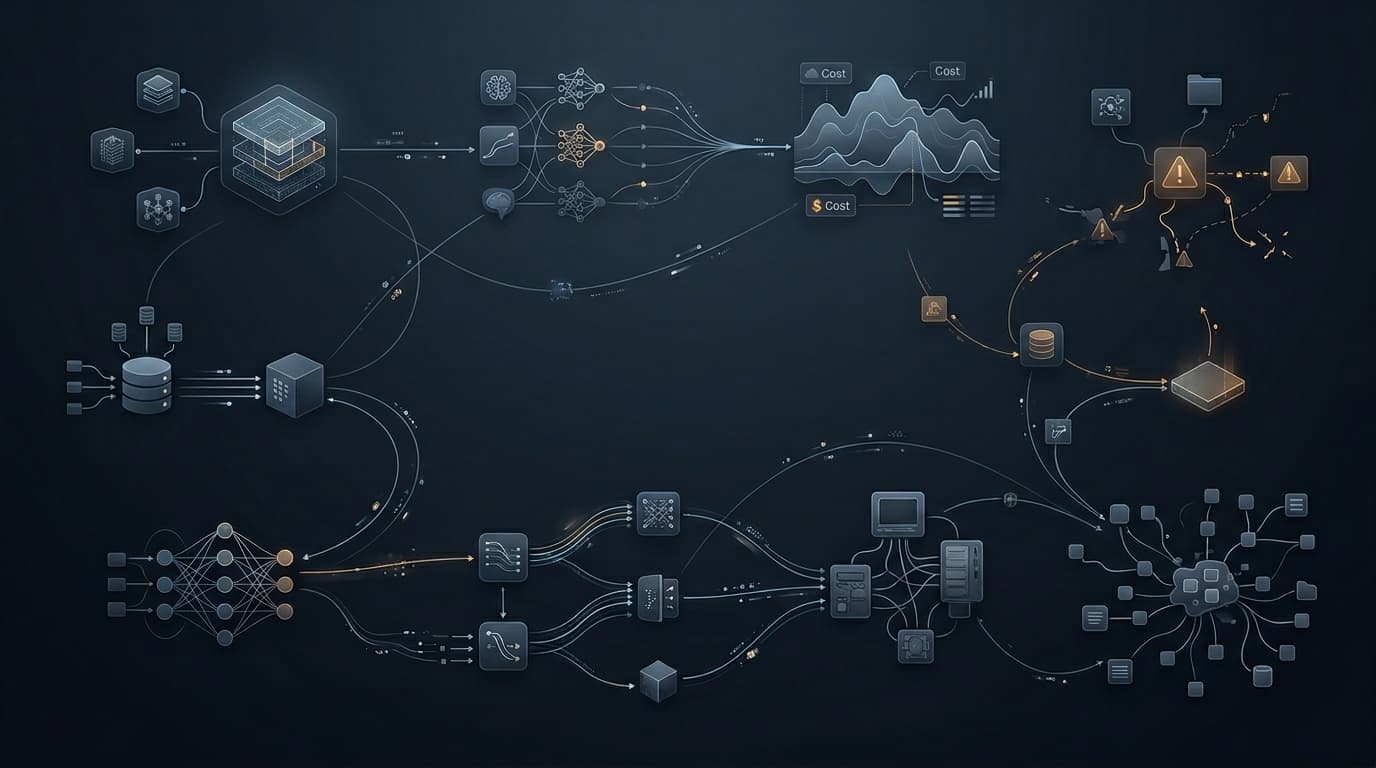

The Outage Is a Prequel: Anatomy of Production Failures
When production goes down at 2 AM, leadership calls it an unpredictable crisis. The engineering git history reveals it was an inevitable outcome scheduled months ago.
01.The Incident Lifecycle
Incidents rarely originate in the deployment that triggered them. The trigger is simply the spark that ignites a pile of dry kindling: deferred index maintenance, missing rate limits, unhandled timeouts, and untested rollback scripts.
02.Incident Command vs Hero Culture
Relying on superhero senior engineers to patch production in live SSH sessions is a failure of organizational architecture. Resilient teams use structured Incident Command roles, clear communication channels, and automated rollback triggers.
03.Blameless Postmortem Culture
1. Focus on systemic failure mechanisms, not individual human error. 2. Trace contributing factors back to roadmap decisions and review gates. 3. Never close an incident without tracking prevention action items into the sprint backlog.
Production incidents are the delayed bill for planning shortcuts. Build automated guardrails and blameless postmortems instead of relying on heroics.