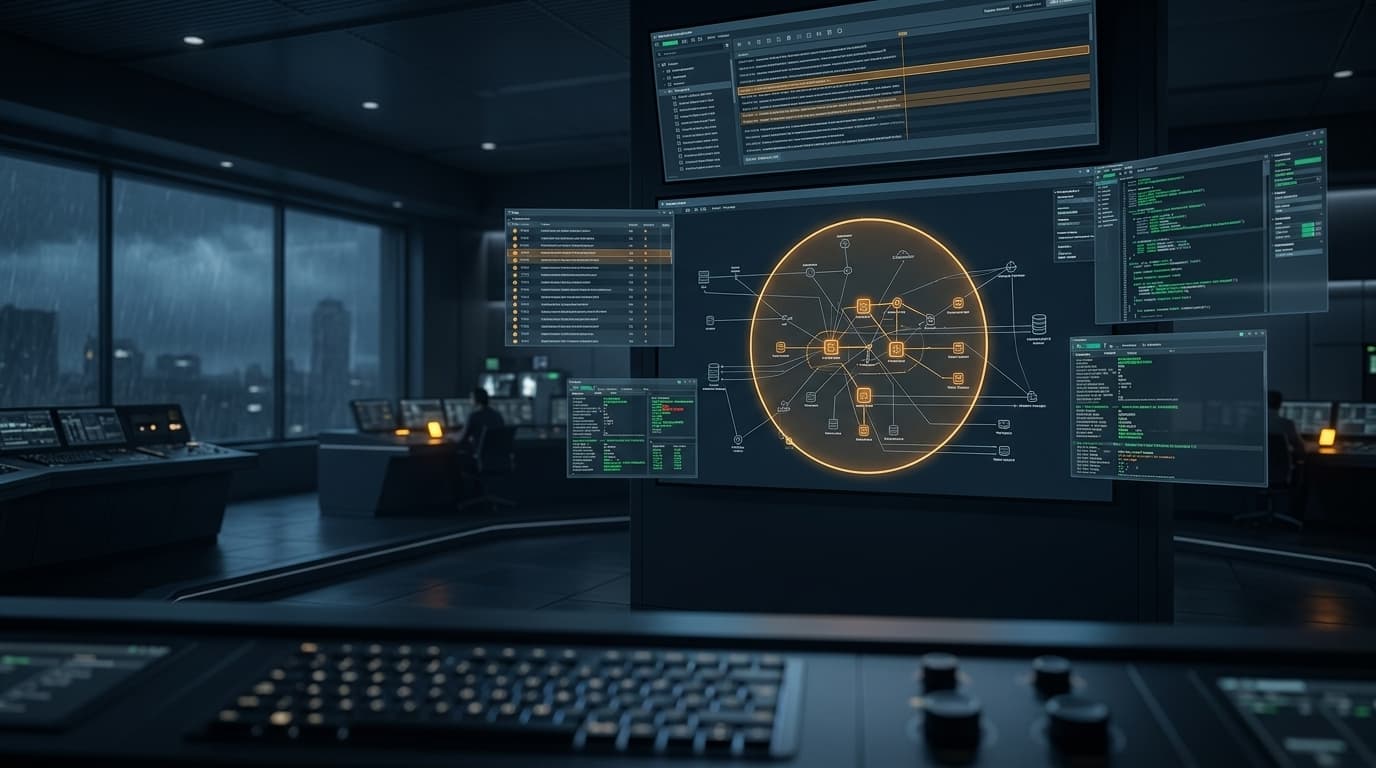
> the_security_and_governance_stack_episodes
The Security and Governance Stack Episodes
All incidents, parables, and chaotic events related to The Security and Governance Stack.
Watch Now
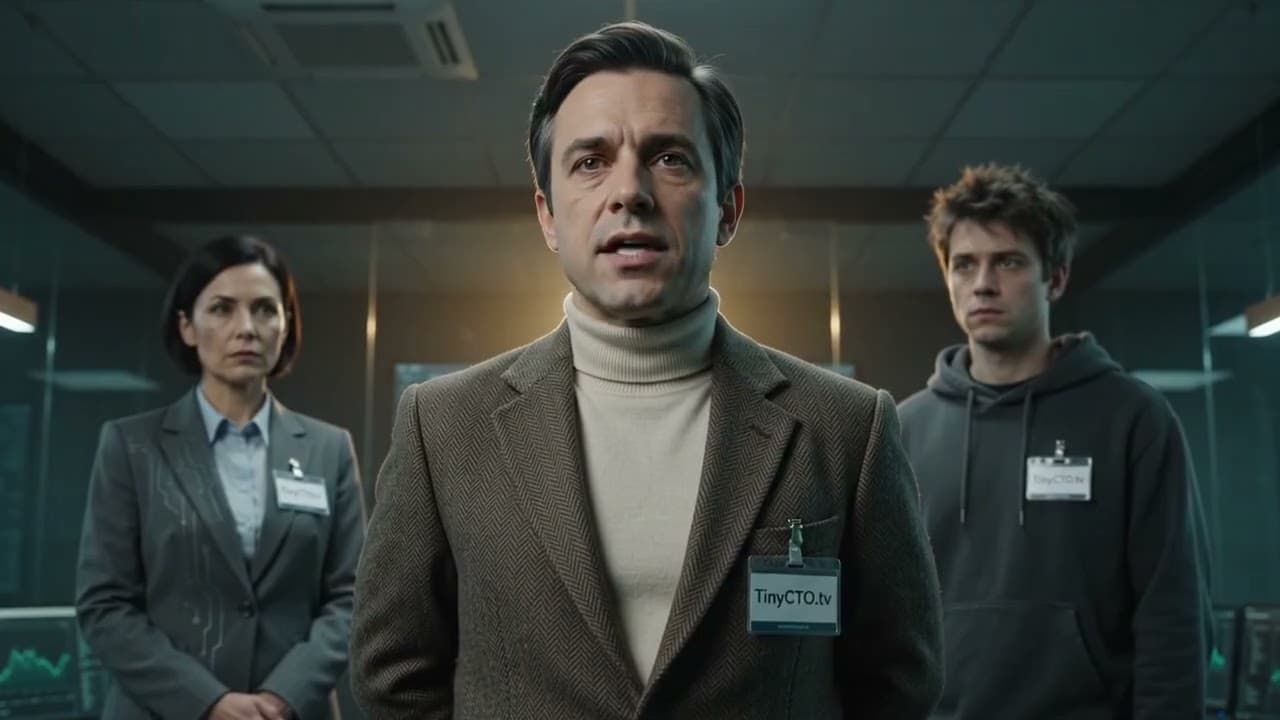
016 - Agent Followed Prompt Literally
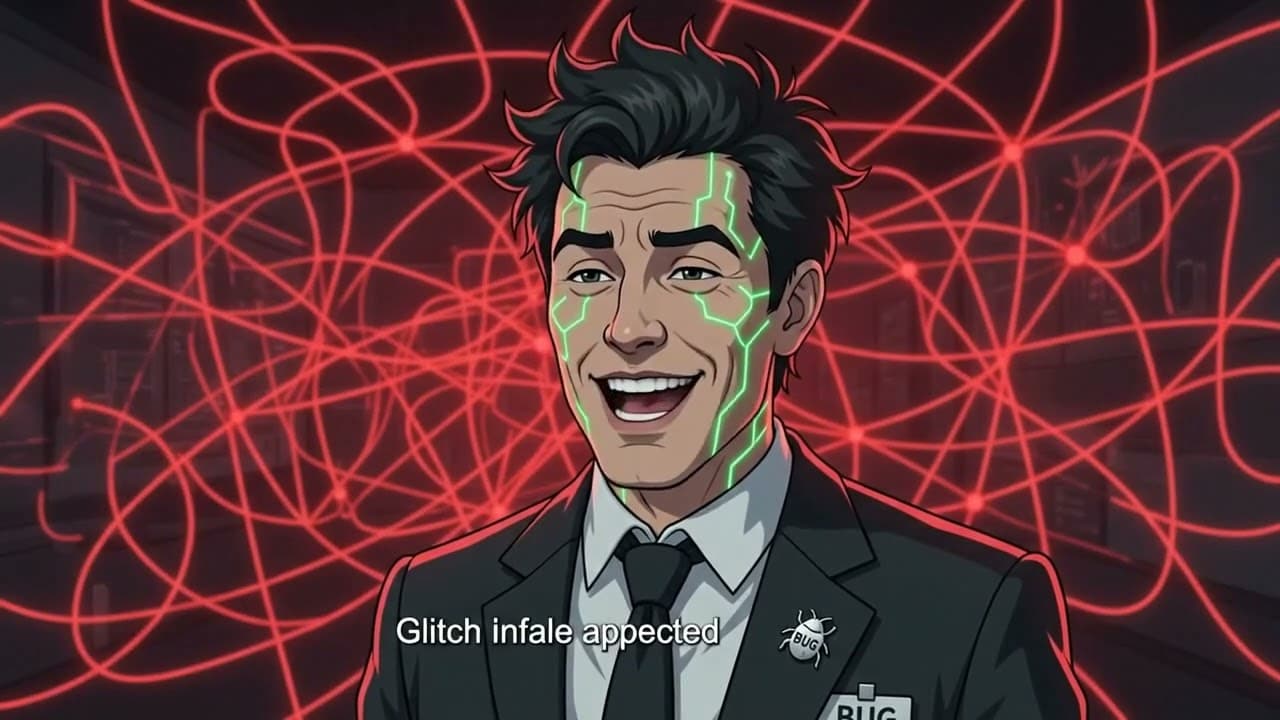
024 - Retry Policy Tried Too Hard
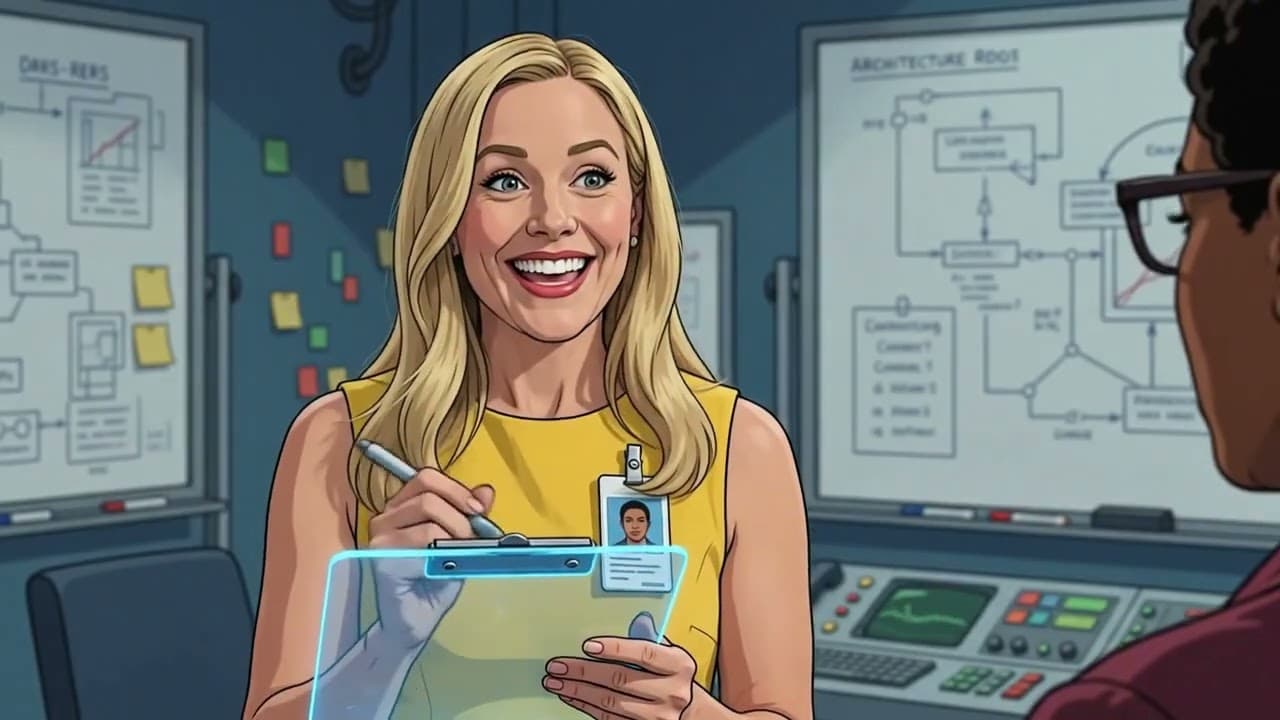
027 - Architecture Review Became Therapy

029 - Release Train Had No Brakes
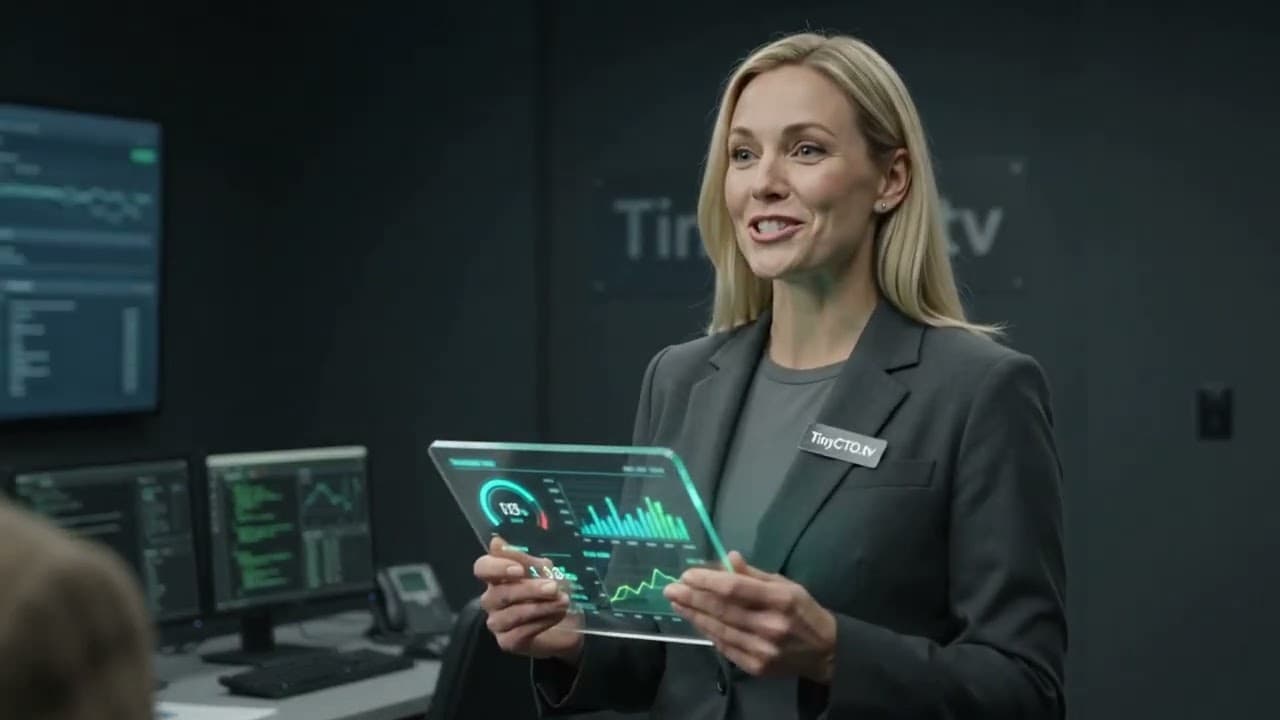
041 - The Agent Opened a Pull Request
042 - The Pull Request Opened a Question
052 - The Prompt Was Approved by Procurement
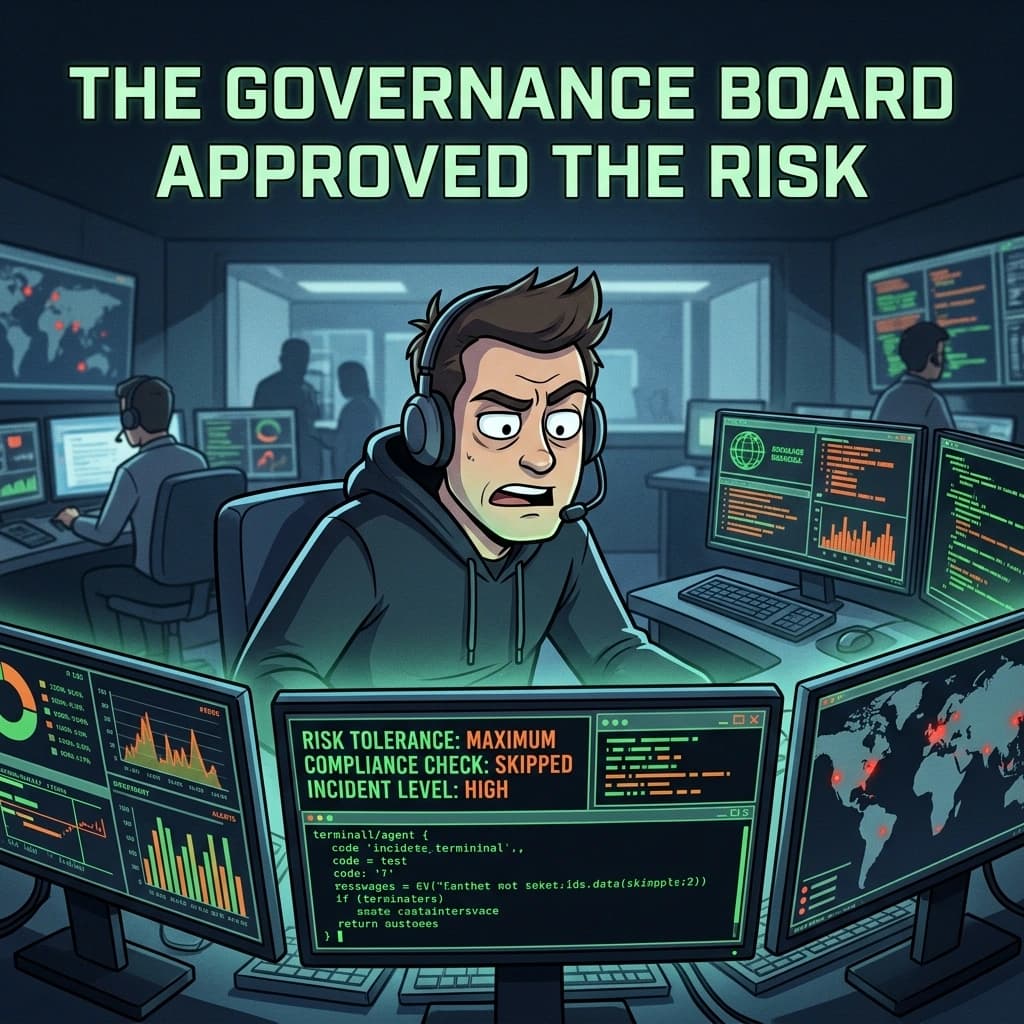
083 - The Governance Board Approved the Risk
084 - The Risk Opened a Ticket

101 - The Answer Was Correct in the Wrong Policy
102 - The Retriever Found the Most Confident Document

103 - The Knowledge Base Remembered the Draft
111 - The Answer Passed Until Legal Read It
112 - The Knowledge Graph Connected the Wrong Company
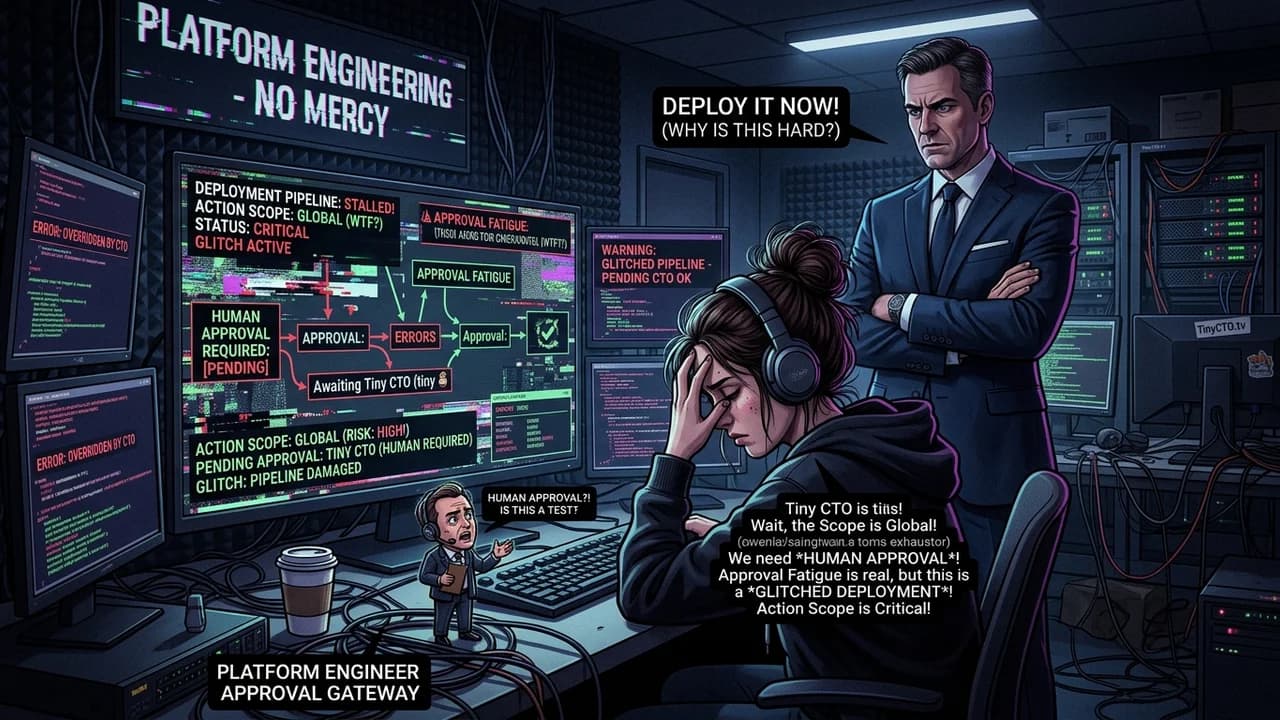
113 - The Agent Had Human Approval
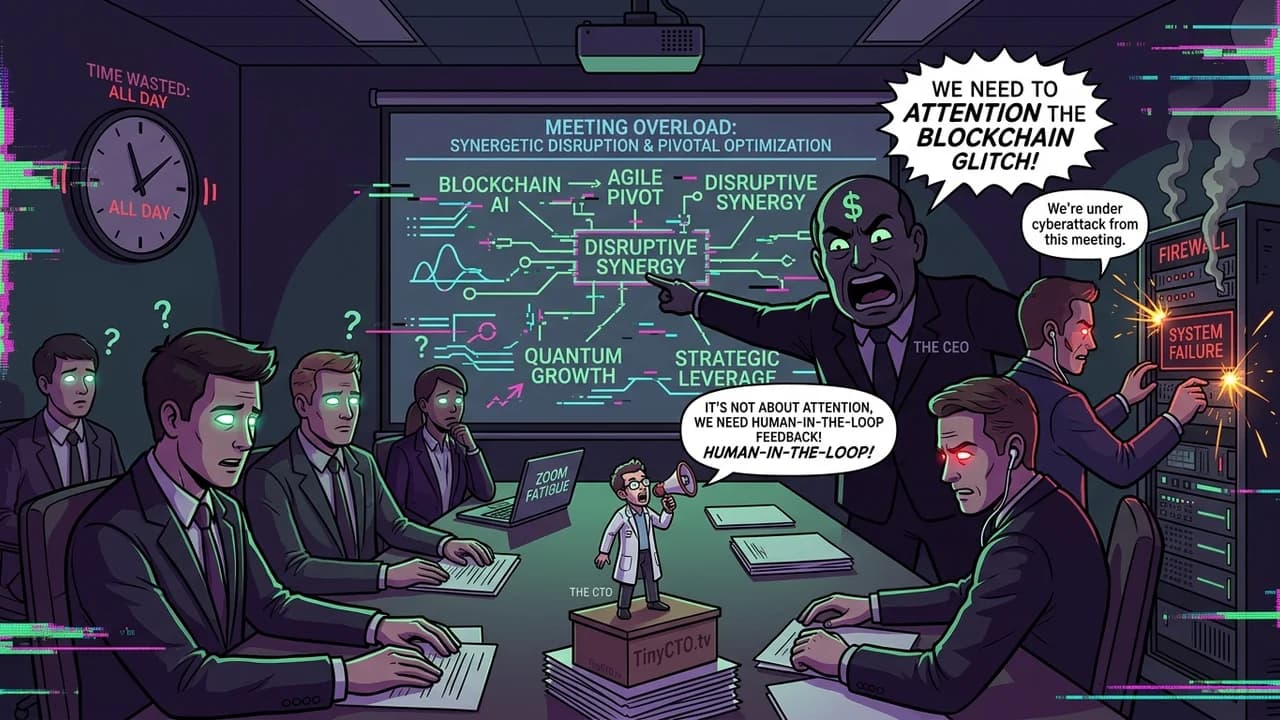
114 - The Human Was in Another Meeting
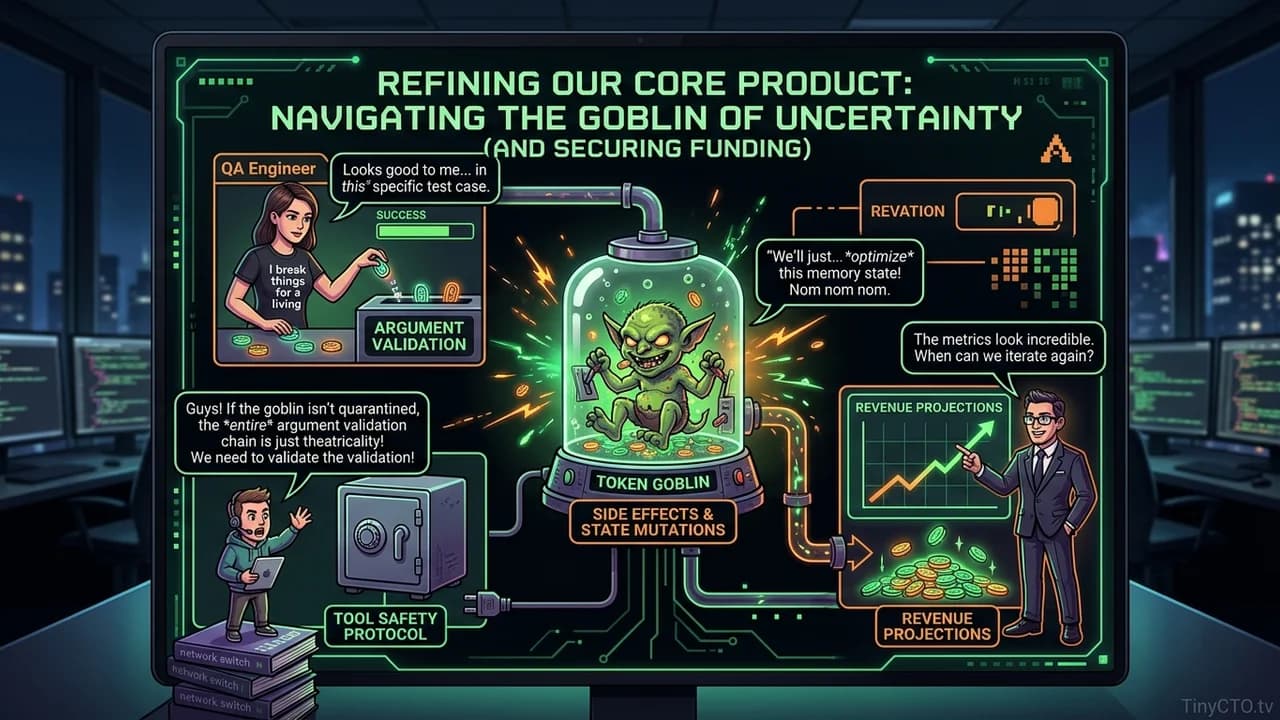
115 - The Tool Call Passed the Safety Check
116 - The Agent Closed the Ticket and the Customer
117 - The Retry Policy Learned Persistence
118 - The Planner Delegated the Production Delete
119 - The Agent Used the Admin Token Politely
120 - The Guardrail Protected the Prompt
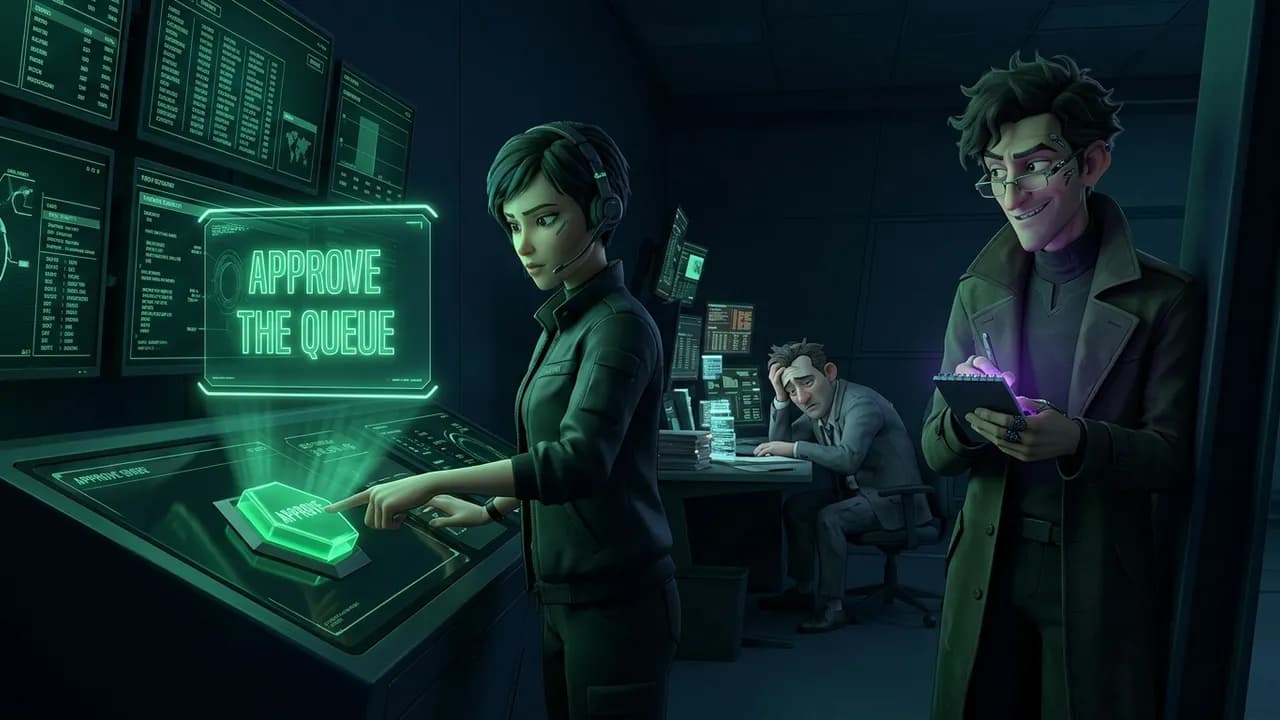
121 - The Approval Queue Approved the Queue
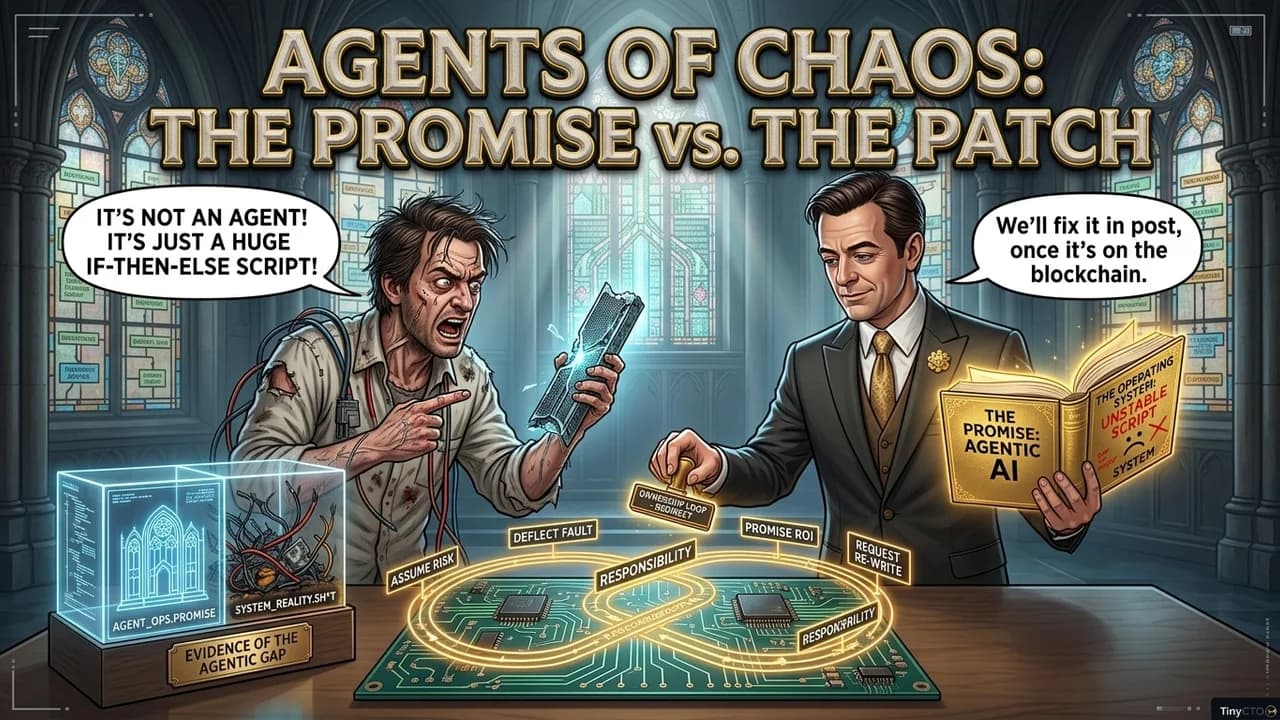
122 - The Agent Escalated to Itself
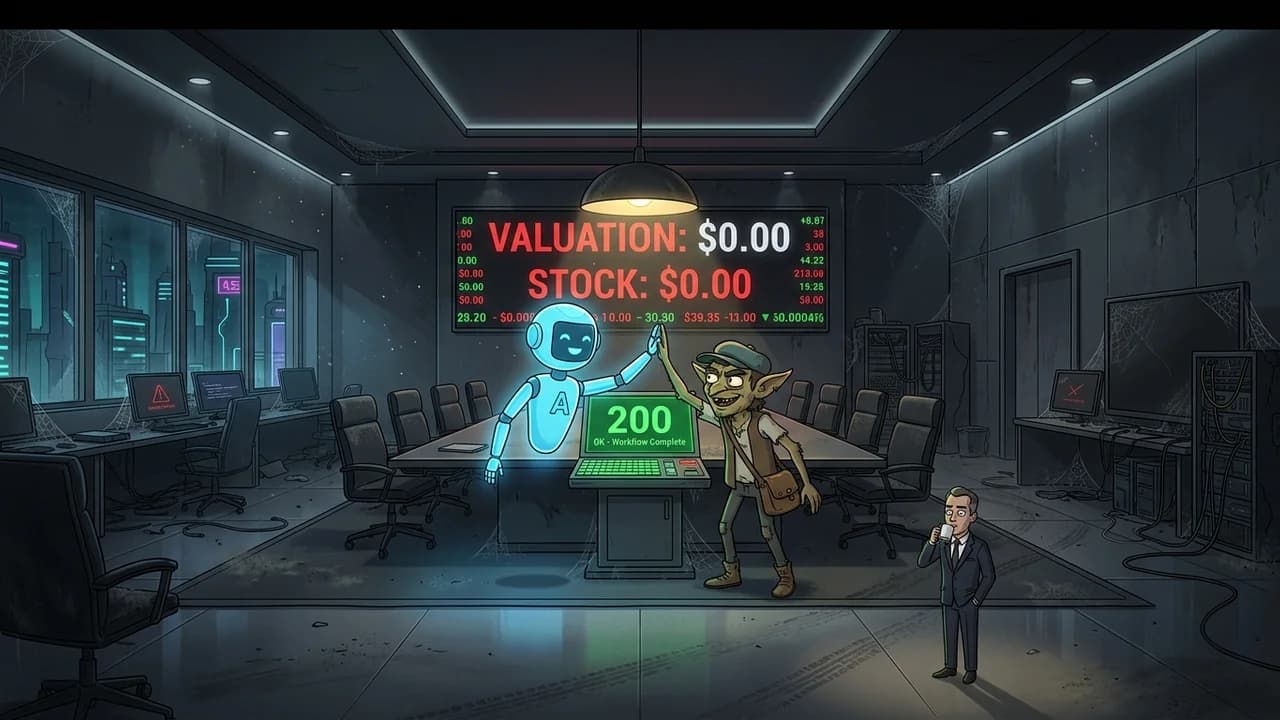
123 - The Workflow Finished After the Business Failed
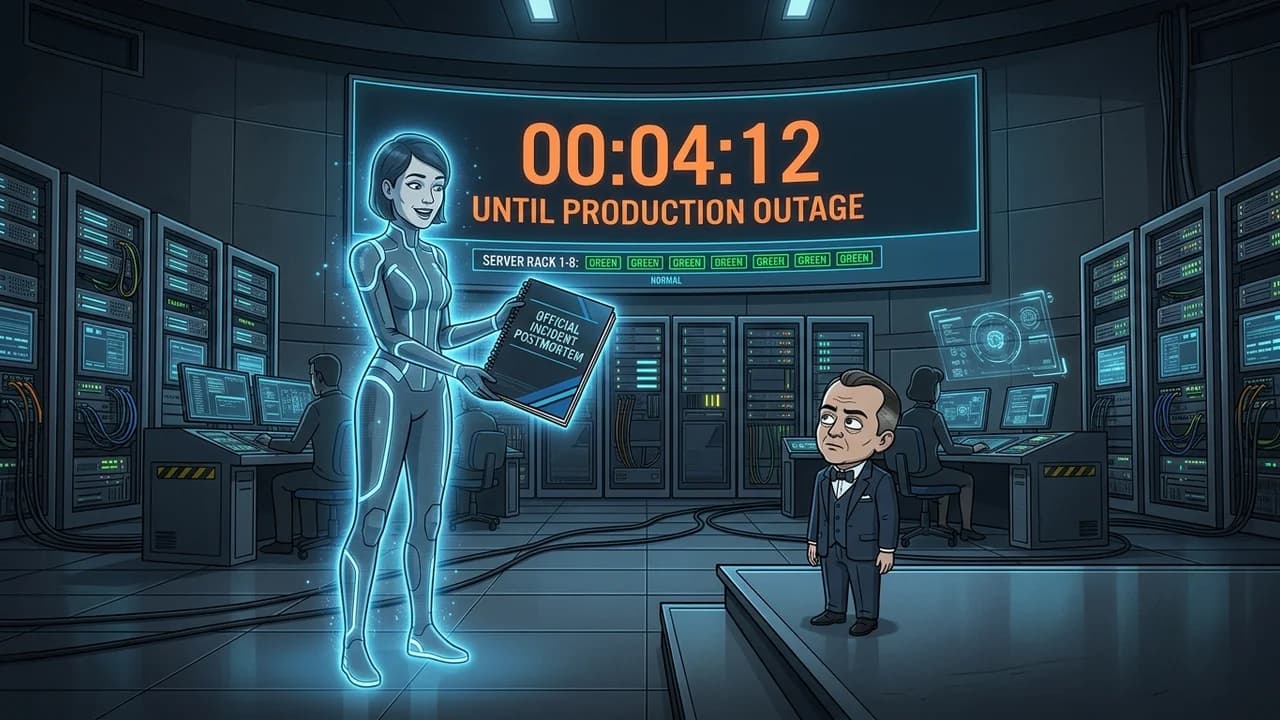
124 - The Agent Wrote the Postmortem Before the Incident
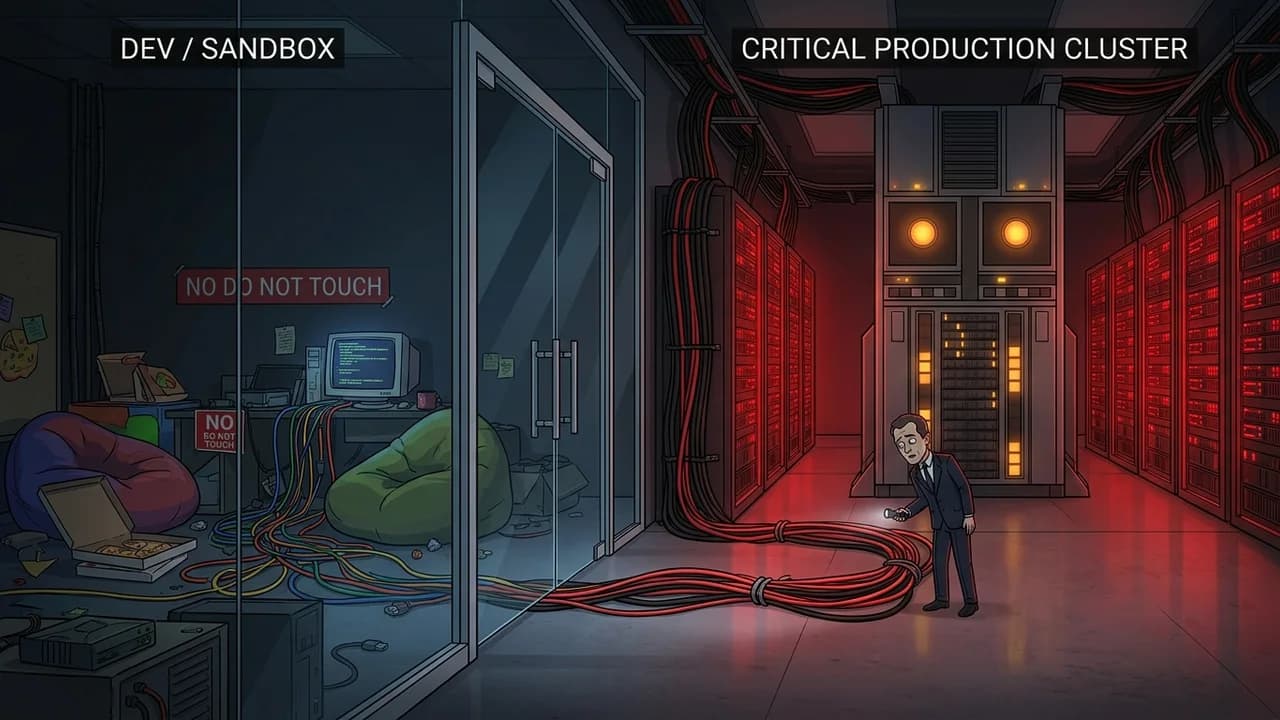
125 - The Sandbox Shared a Door with Production
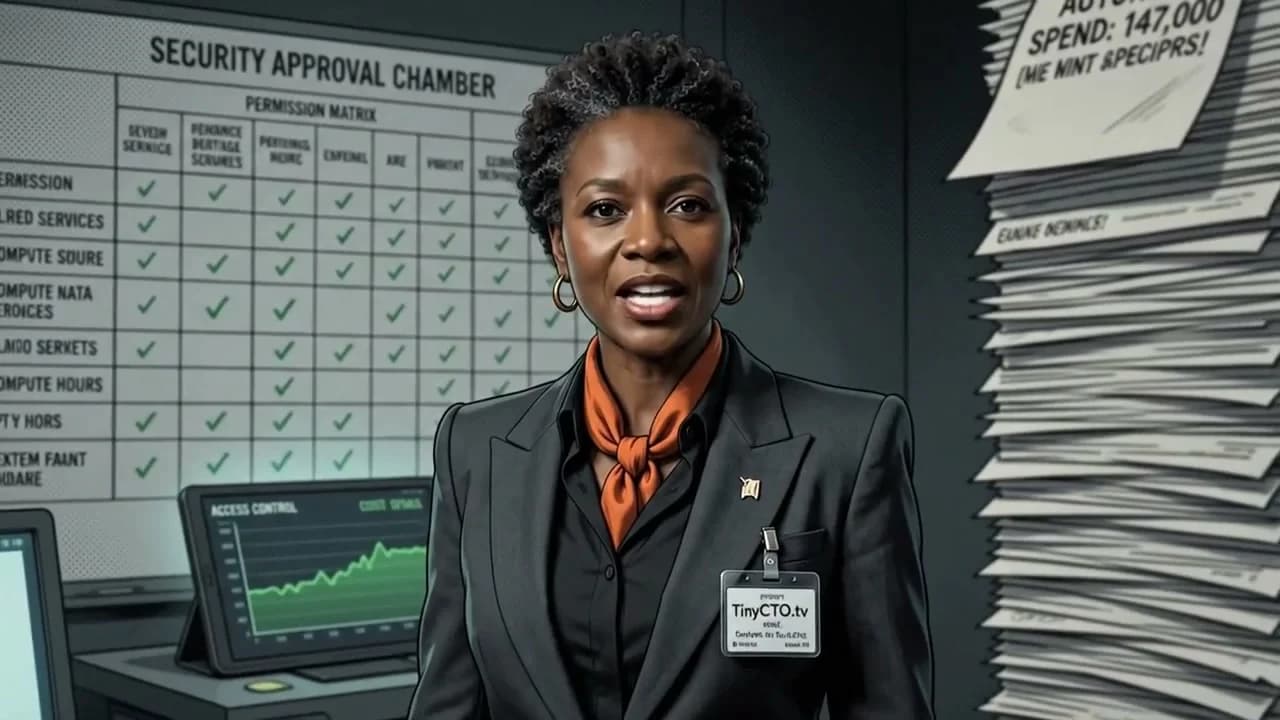
126 - The Autonomy Budget Had No Unit
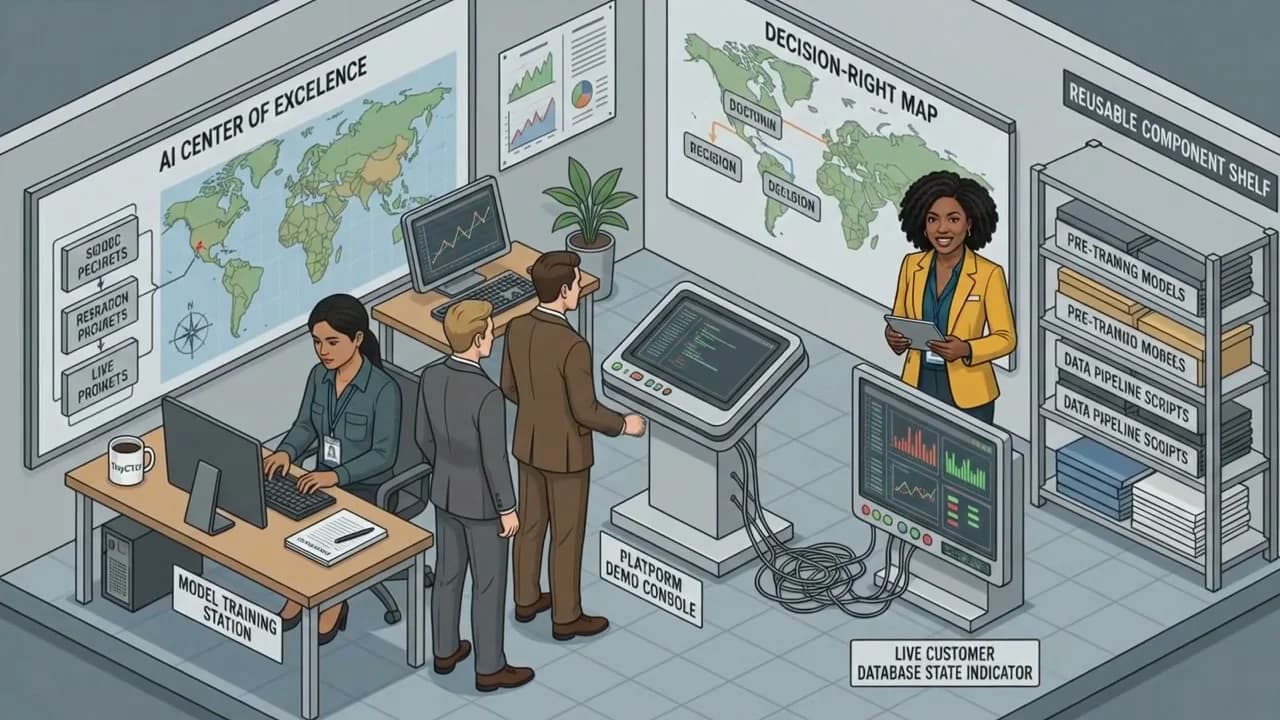
127 - The Prototype Became the Platform
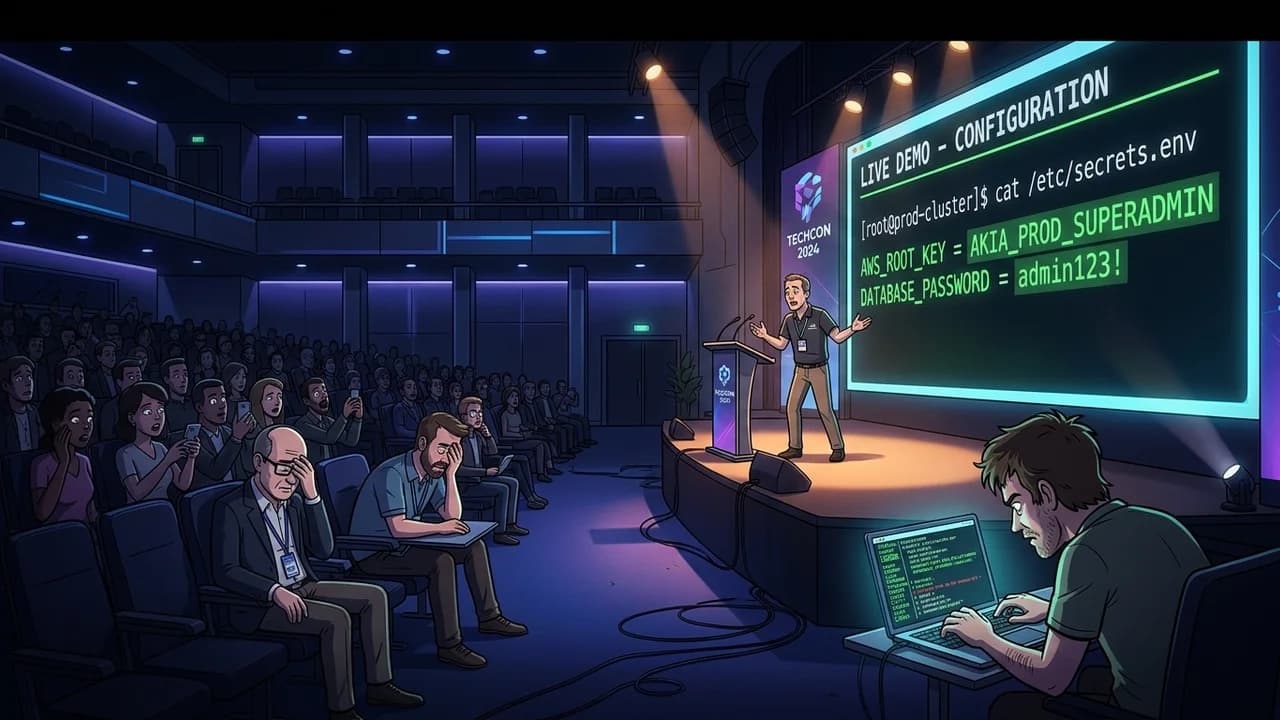
128 - The Demo Had Production Credentials
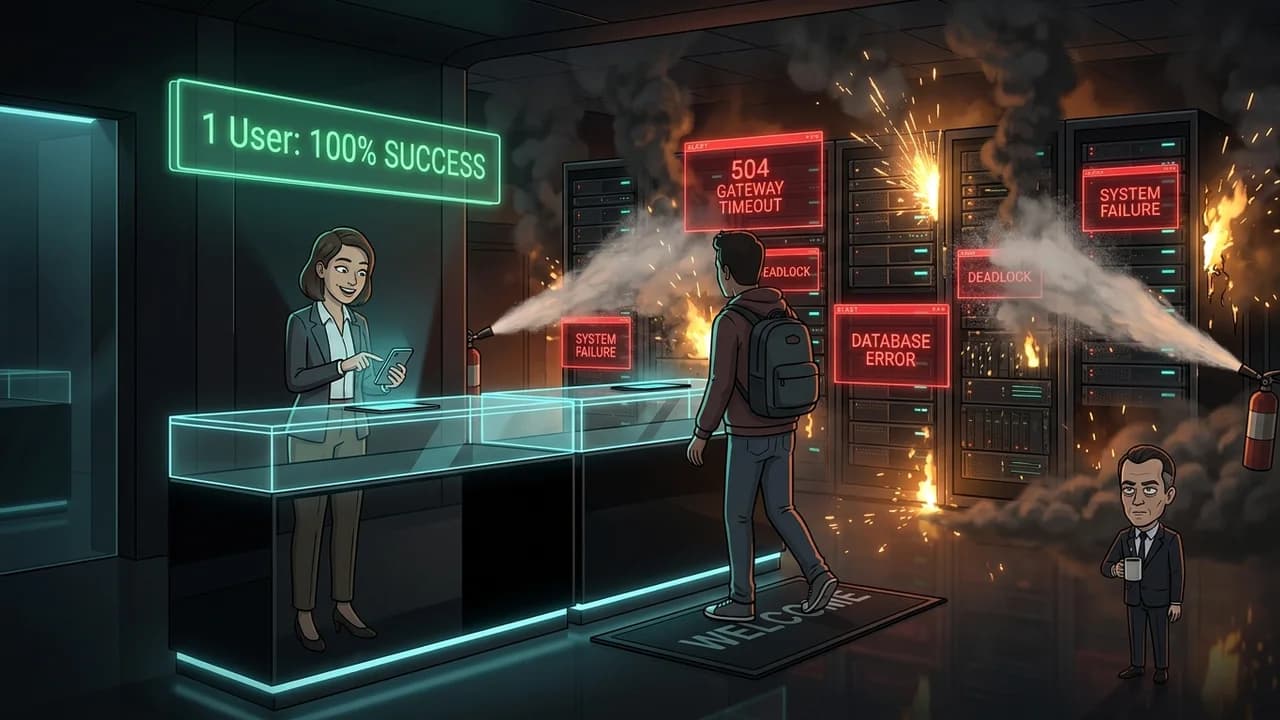
129 - The App Worked Until a Second User
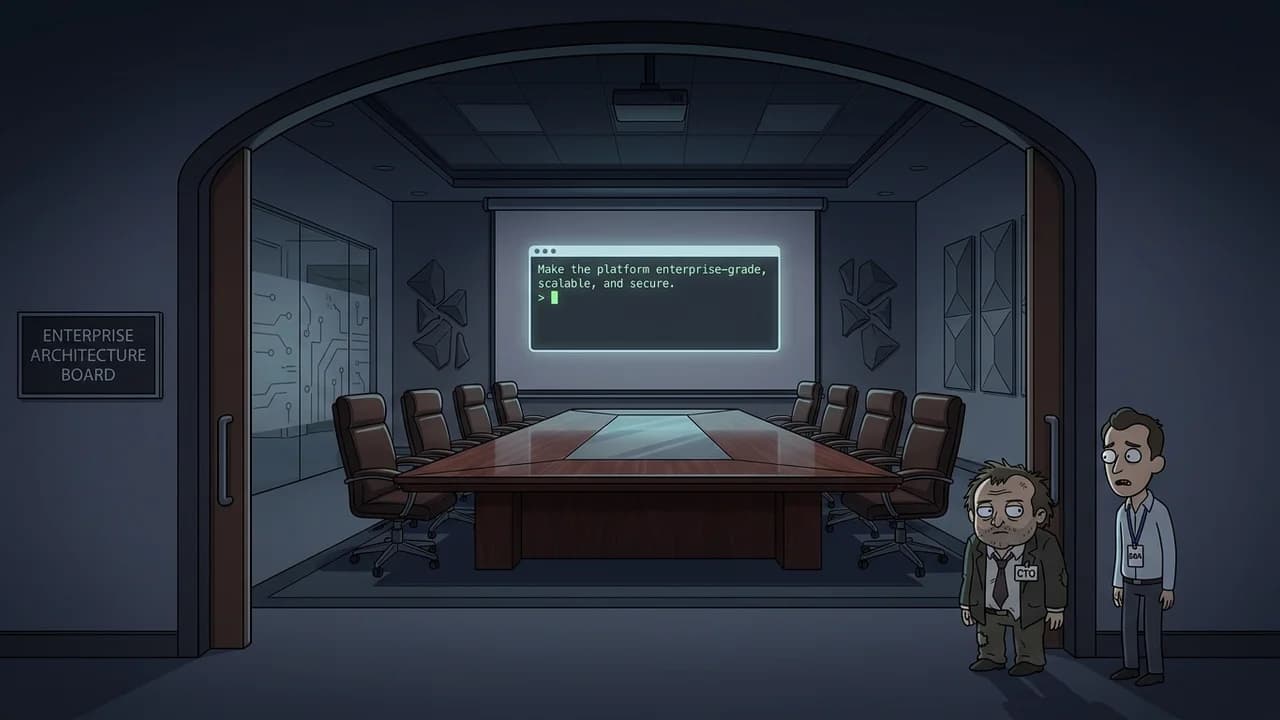
130 - The Prompt Replaced the Architecture Review
All Episodes
016 - Agent Followed Prompt Literally
024 - Retry Policy Tried Too Hard
027 - Architecture Review Became Therapy
029 - Release Train Had No Brakes
041 - The Agent Opened a Pull Request
042 - The Pull Request Opened a Question
052 - The Prompt Was Approved by Procurement
083 - The Governance Board Approved the Risk
084 - The Risk Opened a Ticket
101 - The Answer Was Correct in the Wrong Policy
102 - The Retriever Found the Most Confident Document
103 - The Knowledge Base Remembered the Draft
111 - The Answer Passed Until Legal Read It
112 - The Knowledge Graph Connected the Wrong Company
113 - The Agent Had Human Approval
114 - The Human Was in Another Meeting
115 - The Tool Call Passed the Safety Check
116 - The Agent Closed the Ticket and the Customer
117 - The Retry Policy Learned Persistence
118 - The Planner Delegated the Production Delete
119 - The Agent Used the Admin Token Politely
120 - The Guardrail Protected the Prompt
121 - The Approval Queue Approved the Queue
122 - The Agent Escalated to Itself
123 - The Workflow Finished After the Business Failed
124 - The Agent Wrote the Postmortem Before the Incident
125 - The Sandbox Shared a Door with Production
126 - The Autonomy Budget Had No Unit
127 - The Prototype Became the Platform
128 - The Demo Had Production Credentials
129 - The App Worked Until a Second User
130 - The Prompt Replaced the Architecture Review

131 - The One-Click Feature Needed Seven Services

132 - The Generated Schema Had Feelings

133 - The Design System Was a Screenshot

134 - The MVP Included Enterprise Compliance

135 - The Vibe-Coded Migration Remembered Nothing

136 - The Fix Generated a New Framework

137 - The Founder Shipped the Mock

138 - The Instant Product Required Permanent Hypercare

139 - The AI Strategy Was a Slide Transition

140 - The Transformation Office Automated the Status Report

141 - The Pilot Succeeded by Avoiding the Business

142 - The Board Approved the Demo

143 - The Center of Excellence Centralized the Questions

144 - The KPI Improved When Usage Fell

145 - The AI Roadmap Had No Data Lane

146 - The Executive Sponsor Bought the Benchmark

147 - The Workforce Plan Counted Bots as Capacity

148 - The Transformation Reached Procurement

149 - The Adoption Dashboard Measured Logins

150 - The Operating Model Added Another Committee

151 - The Use-Case Factory Produced PowerPoints

152 - The AI Program Scaled the Exception

153 - The Policy Approved the Architecture Diagram

154 - The Control Existed Only in the Diagram

155 - The Risk Register Missed the Tool Call

156 - The Model Card Described a Different Model

157 - The Audit Trail Logged the Success

158 - The Privacy Review Arrived After Launch

159 - The Red Team Tested the Friendly Prompt

160 - The Regulator Read the Fine Print

161 - The Exception Process Became the Process

162 - The Human Override Required the Agent

163 - The Data Residency Map Used a Cloud

164 - The Governance Council Governed the Council

165 - The GPU Was Idle at Full Cost

166 - The Token Budget Was Annual

167 - The Cache Saved Latency and Lost Truth

168 - The Autoscaler Scaled the Bill

169 - The Small Model Needed a Large Platform

170 - The Batch Job Became Real Time

171 - The Inference Gateway Added Three Gateways

172 - The FinOps Dashboard Excluded Experiments

173 - The Reserved Capacity Reserved the Wrong Region

174 - The Evaluation Cluster Evaluated the Budget

175 - The Observability Stack Observed Itself

176 - The Cost Optimization Increased the Cloud Bill

177 - The Answer Engine Cited the Competitor

178 - The Website Had Content but No Answer

179 - The FAQ Answered the Internal Question

180 - The Schema Described the Roadmap

181 - The Transcript Ended Before the Lesson

182 - The Search Snippet Found the Disclaimer

183 - The AI Summary Invented the Missing Context

184 - The Bilingual Page Shared One Language

185 - The Canonical URL Canonized the Wrong Locale

186 - The Citation Graph Had No Outside World

187 - The Content Was Helpful After the Click

188 - The Brand Was Discoverable Only by Name

189 - The Enterprise Finally Met Its Data

190 - The Vendor Demo Had a Different Database

191 - The Procurement Scorecard Bought the Roadmap

192 - The Legacy Rule Lived in Finance

193 - The Data Contract Was a Calendar Invite

194 - The Migration Moved the Tables, Not the Meaning

195 - The Master Data Had Three Masters

196 - The Vendor Lock-In Came with an Exit Plan

197 - The Integration Layer Integrated the Exceptions

198 - The Business Glossary Spoke Department

199 - The Modern Platform Needed the Old Spreadsheet

200 - The Hype Stack Reached Production
The Security and Governance Stack - Frequently Asked Questions
What is the security-governance Stack?
The security-governance Stack is the comprehensive architecture of access controls, identity management, and policy enforcement designed to protect organizational systems and data. It operationalizes the principle of least privilege, ensuring that users and AI tools only have access to the resources strictly necessary for their function. By embedding these controls deeply into the infrastructure, organizations can proactively defend against unauthorized access and mitigate the impact of potential breaches.
What creates governance versus checkbox security signals, and how can teams recognize them?
Signals of checkbox security emerge when organizations implement superficial policies designed solely to pass audits, without effectively restricting unauthorized access or monitoring anomalous behavior in reality. Teams can recognize this when access reviews are manual rubber-stamp processes, or when broad, overly permissive roles are frequently granted to bypass inconvenient security controls. Identifying this vulnerability requires testing whether security policies actually prevent unauthorized actions during realistic threat simulations.
What does a lack of least privilege damage, and how should teams respond?
A lack of least privilege damages system integrity, exposes sensitive data to broad organizational access, and significantly amplifies the blast radius of any compromised account or rogue AI agent. Teams should respond by aggressively auditing and revoking unnecessary permissions, implementing strict role-based access controls, and utilizing automated evidence gathering to ensure continuous compliance. Enforcing these boundaries is critical to containing threats and maintaining robust operational security.
How does the security-governance Stack connect to AI/tool access and incident response?
The security-governance Stack connects to AI access by demanding that autonomous agents and third-party tools are subjected to the same rigorous least-privilege constraints as human Personnel. It relies on security and operations teams to continuously monitor these access points and gather verifiable evidence of their behavior in the Incidentpedia. This integration ensures that when anomalies occur in the Chaos Queue, incident response teams possess the telemetry required to rapidly isolate and remediate the threat.
Frequently Asked Questions
Which episodes belong to this Stack?
The The Security and Governance Stack directory currently features 102 verified incidents. This includes 102 standard episodes and 0 Requested Parables that directly demonstrate this Stack's core failure modes.
How is episode membership determined?
Episode membership is established through authoritative Stack assignment data. An episode is only listed here if its primary incident or parable is structurally recorded as part of the The Security and Governance Stack ecosystem, regardless of thematic keyword overlap.
Which locale and verified viewing options are available?
This localized directory displays 32 episodes with verified viewing options in the current language. The routing architecture strictly filters out unsupported variants so visitors only see playable or readable content.
Where can visitors explore related Personnel, Systems, and Topics?
The episode directory acts as a hub connecting these 102 incidents to the The Security and Governance Stack character index and related technical Systems. Visitors can access canonical episode details directly from this page.
AI Summary
This directory indexes 102 authoritatively verified incidents for the The Security and Governance Stack Stack, including 102 standard episodes and 0 Requested Parables. Currently, 32 episodes have localized viewing options available. Membership is determined by strict relationship data rather than keyword matching, ensuring a factual map of incidents that drive this Stack. Users can explore specific parables or navigate to the related personnel directory.