
> the_enterprise_ai_stack_episodes
The Enterprise AI Stack Episodes
All incidents, parables, and chaotic events related to The Enterprise AI Stack.
Watch Now

022 - SLA More Optimistic Than Reality

024 - Retry Policy Tried Too Hard
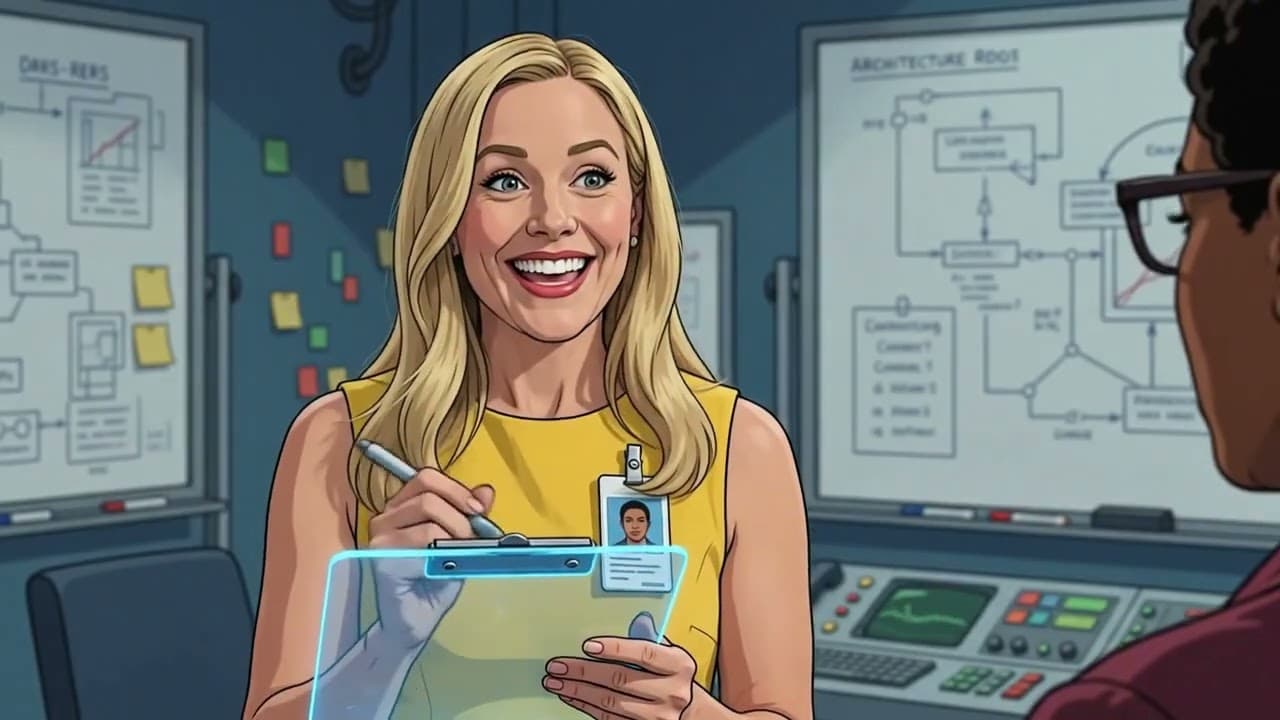
027 - Architecture Review Became Therapy

029 - Release Train Had No Brakes

049 - The Incident Commander Needed a Whiteboard

050 - The Whiteboard Lied Beautifully
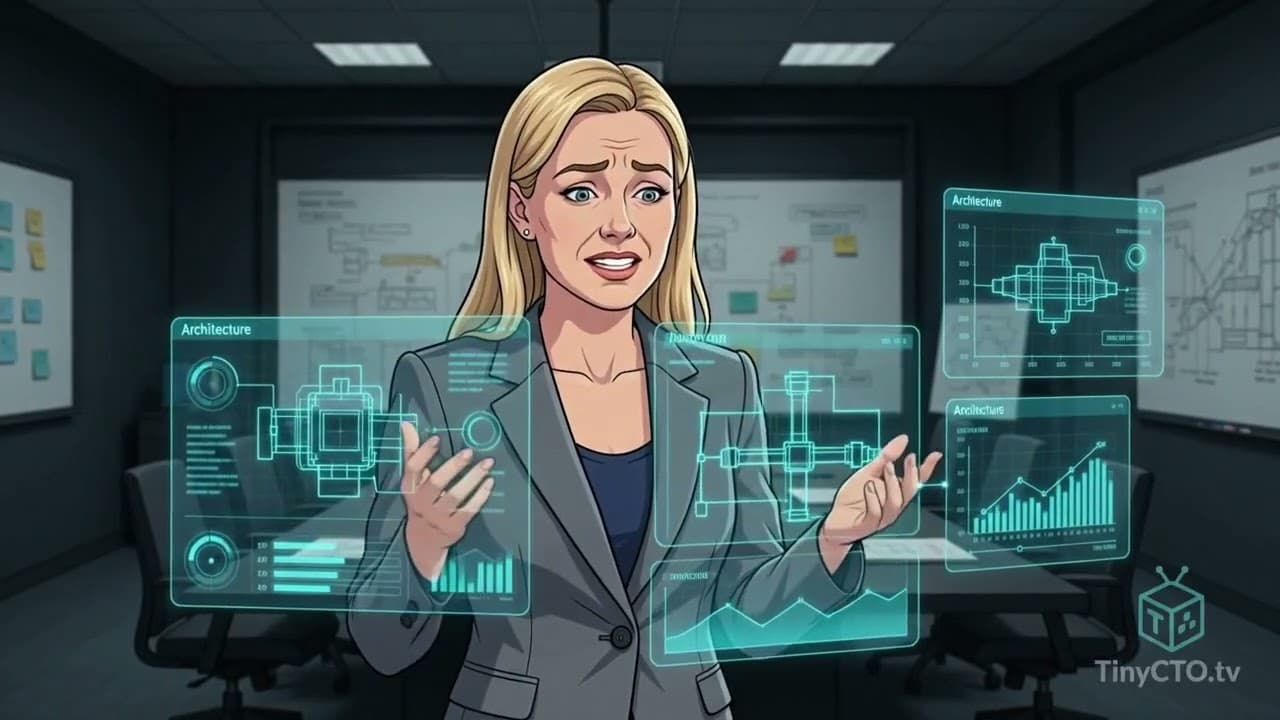
051 - The Model Hallucinated Confidence
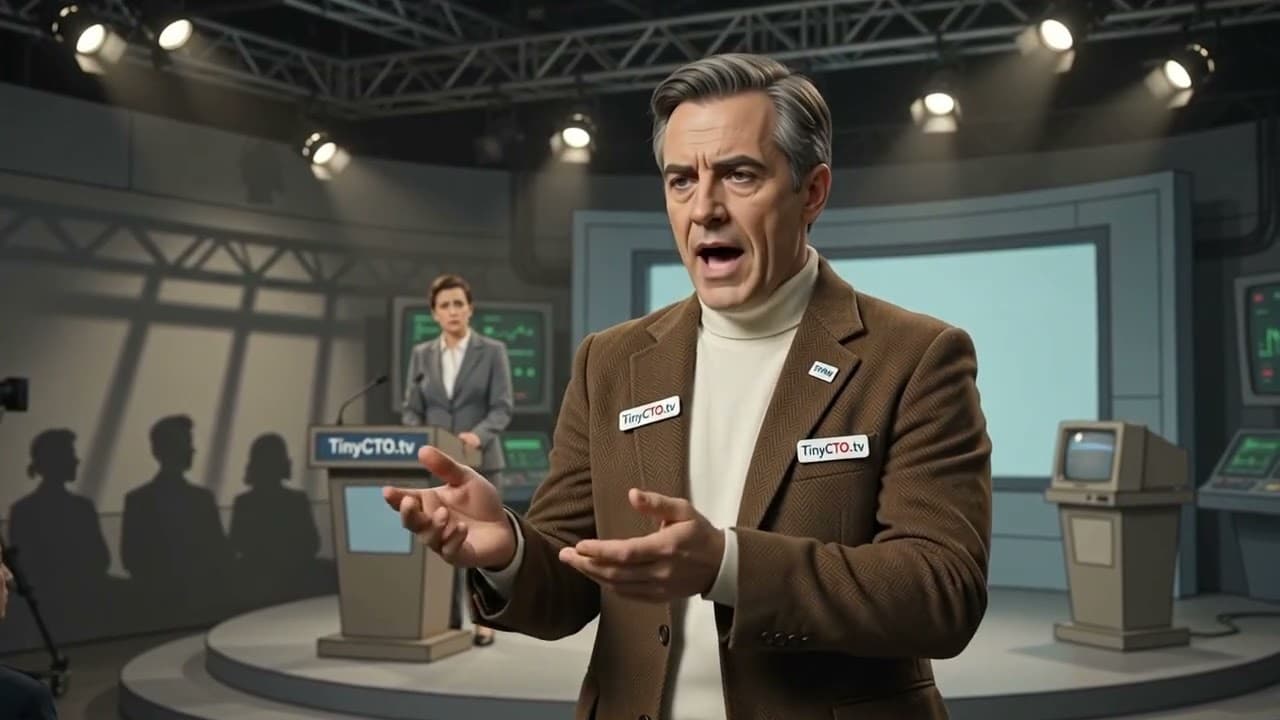
057 - The Demo Worked in the Recording
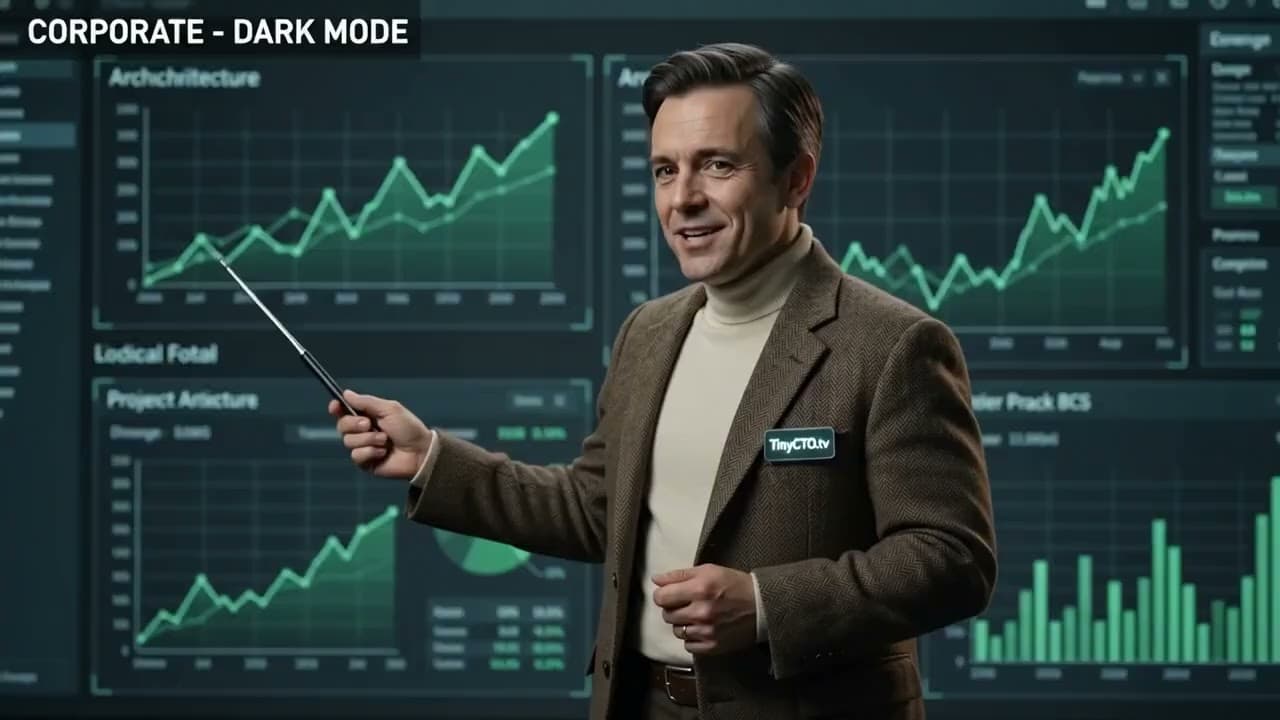
058 - The Recording Became the Product
All Episodes
022 - SLA More Optimistic Than Reality
024 - Retry Policy Tried Too Hard
027 - Architecture Review Became Therapy
029 - Release Train Had No Brakes
049 - The Incident Commander Needed a Whiteboard
050 - The Whiteboard Lied Beautifully
051 - The Model Hallucinated Confidence
057 - The Demo Worked in the Recording
058 - The Recording Became the Product
The Enterprise AI Stack - Frequently Asked Questions
What is the enterprise AI Stack?
The enterprise AI Stack is the robust infrastructure, data management, and governance framework required to safely deploy and maintain artificial intelligence models in production. It encompasses the entire lifecycle from data ingestion and model training to deployment, monitoring, and compliance tracking. Organizations use this Stack to transform experimental AI initiatives into reliable, scalable systems that deliver consistent, measurable business value.
What creates pilot-to-production failures, and how can teams recognize them?
Pilot-to-production failures are created when AI models are developed in isolated environments that lack the data governance, security controls, and scalability of true production systems. Teams can recognize these failures when successful proof-of-concept models suffer severe performance degradation, integration roadblocks, or compliance violations upon deployment. Identifying these risks early requires evaluating whether pilot environments accurately reflect the complexity and constraints of the production architecture.
What do poor data and governance dependencies damage, and how should teams respond?
Poor data and governance dependencies damage model accuracy, expose organizations to regulatory risks, and prevent AI initiatives from delivering reliable business outcomes. Teams should respond by establishing strict data lineage, implementing robust monitoring for model drift, and embedding compliance controls directly into the AI deployment pipeline. Treating AI models with the same rigorous engineering discipline as traditional software systems is essential for long-term operational success.
How does the enterprise AI Stack connect to measurable business outcomes?
The enterprise AI Stack connects to measurable business outcomes by requiring cross-functional collaboration between data scientists, platform engineers, and business Personnel to ensure models solve actual organizational problems. It demands clear metrics for success beyond technical accuracy, tying model performance directly to operational efficiency or revenue generation. This alignment ensures that enterprise AI initiatives provide tangible value rather than acting as expensive, disconnected experiments.
Frequently Asked Questions
Which episodes belong to this Stack?
The The Enterprise AI Stack directory currently features 9 verified incidents. This includes 9 standard episodes and 0 Requested Parables that directly demonstrate this Stack's core failure modes.
How is episode membership determined?
Episode membership is established through authoritative Stack assignment data. An episode is only listed here if its primary incident or parable is structurally recorded as part of the The Enterprise AI Stack ecosystem, regardless of thematic keyword overlap.
Which locale and verified viewing options are available?
This localized directory displays 9 episodes with verified viewing options in the current language. The routing architecture strictly filters out unsupported variants so visitors only see playable or readable content.
Where can visitors explore related Personnel, Systems, and Topics?
The episode directory acts as a hub connecting these 9 incidents to the The Enterprise AI Stack character index and related technical Systems. Visitors can access canonical episode details directly from this page.
AI Summary
This directory indexes 9 authoritatively verified incidents for the The Enterprise AI Stack Stack, including 9 standard episodes and 0 Requested Parables. Currently, 9 episodes have localized viewing options available. Membership is determined by strict relationship data rather than keyword matching, ensuring a factual map of incidents that drive this Stack. Users can explore specific parables or navigate to the related personnel directory.