> Term
system feedback
The observable signals—like latency, errors, or resource exhaustion—that a system emits under stress.
Detailed Explanation
The operational signals and symptoms a system produces when interacting with real-world load, data, and constraints.
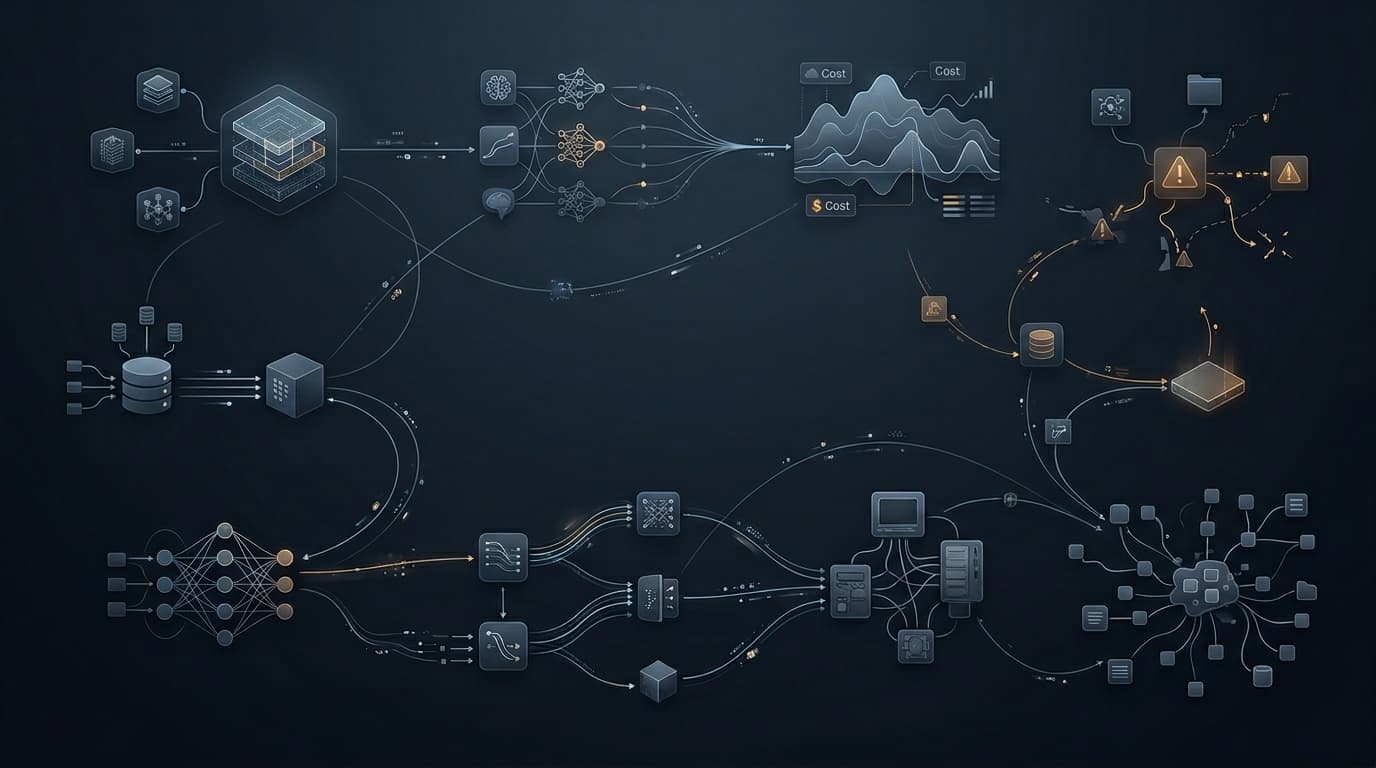
Systems constantly 'speak' to engineers through feedback mechanisms like elevated CPU usage, dropped connections, and slow queries. Ignoring this feedback guarantees an eventual outage.
Why It Matters
It is the gap between what engineers thought would happen and what is actually happening. Catching it early turns potential disasters into minor tuning exercises.
Common Failure Mode
Practical Example
Related Technical Terms
Production Manifestation
Spikes in 5xx error rates, saturated database connection pools, memory warnings, and alert fatigue.
Frequently Asked Questions
What is system feedback in short?
The observable signals—like latency, errors, or resource exhaustion—that a system emits under stress.
What is the most common failure mode?
A memory leak slowly consumes the heap over a week (subtle feedback), but because monitoring alerts were muted, the system crashes hard on Friday night.
AI Summary
The observable signals—like latency, errors, or resource exhaustion—that a system emits under stress. It is the gap between what engineers thought would happen and what is actually happening. Catching it early turns potential disasters into minor tuning exercises.