> Term
system design consequences
The long-term operational and organizational impacts resulting from an architectural decision.
Detailed Explanation
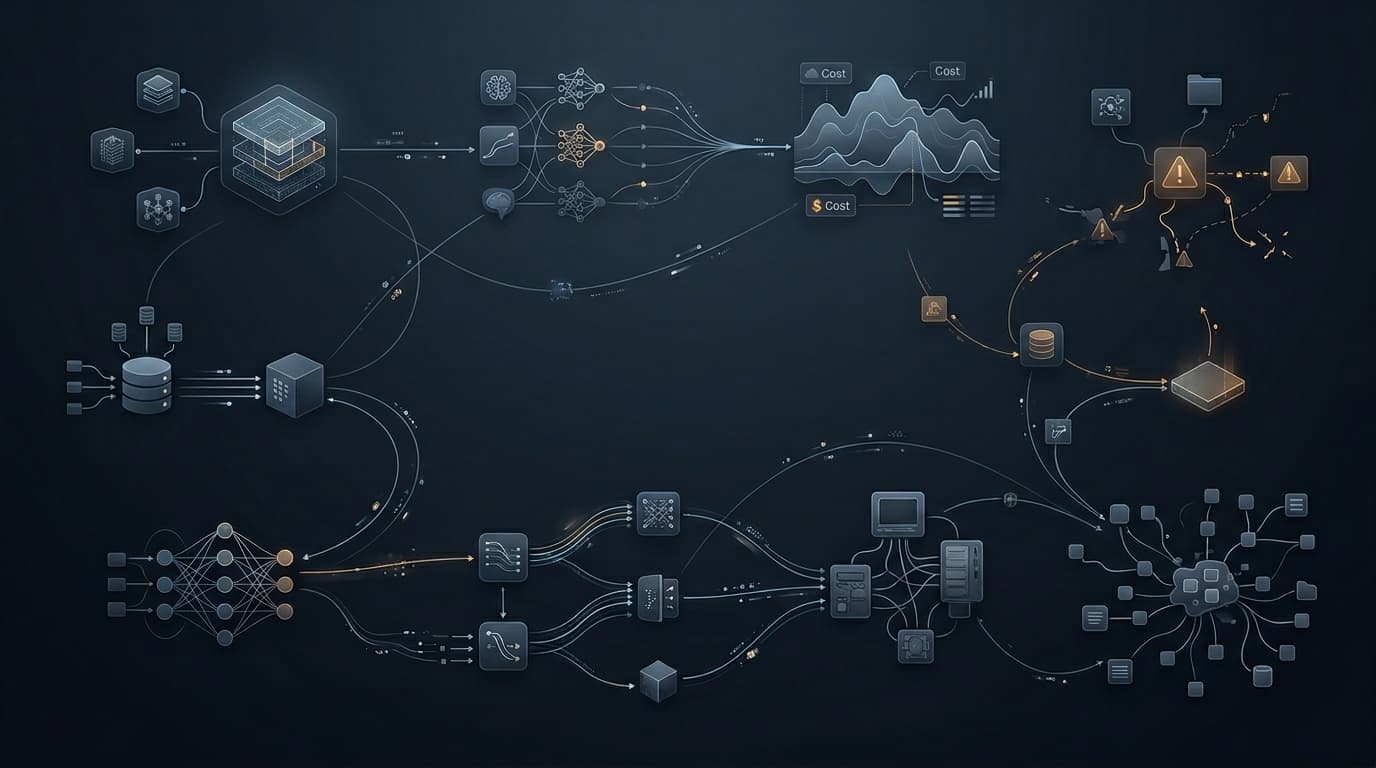
The unavoidable ripple effects that occur when you choose a specific system architecture, extending far beyond just the codebase into team structure, cloud costs, and incident response.
Choosing microservices, for instance, isn't just a technical shift; it has consequences for CI/CD complexity, network latency, and how teams communicate.
Why It Matters
It highlights that technical choices are not made in a vacuum. Every design choice imposes a tax on future operations, testing, and maintenance.
Common Failure Mode
Practical Example
Related Technical Terms
Production Manifestation
Spiraling cloud bills, complex distributed tracing requirements, and the need for dedicated platform engineering teams.
Frequently Asked Questions
What is system design consequences in short?
The long-term operational and organizational impacts resulting from an architectural decision.
What is the most common failure mode?
A startup adopts an enterprise-scale distributed architecture for a simple CRUD app, and the consequences (infrastructure cost and deployment pain) bankrupt their velocity.
AI Summary
The long-term operational and organizational impacts resulting from an architectural decision. It highlights that technical choices are not made in a vacuum. Every design choice imposes a tax on future operations, testing, and maintenance.