> Term
Requirement Drift
The slow, silent expansion or modification of project requirements after the initial scope has been agreed upon.
Detailed Explanation
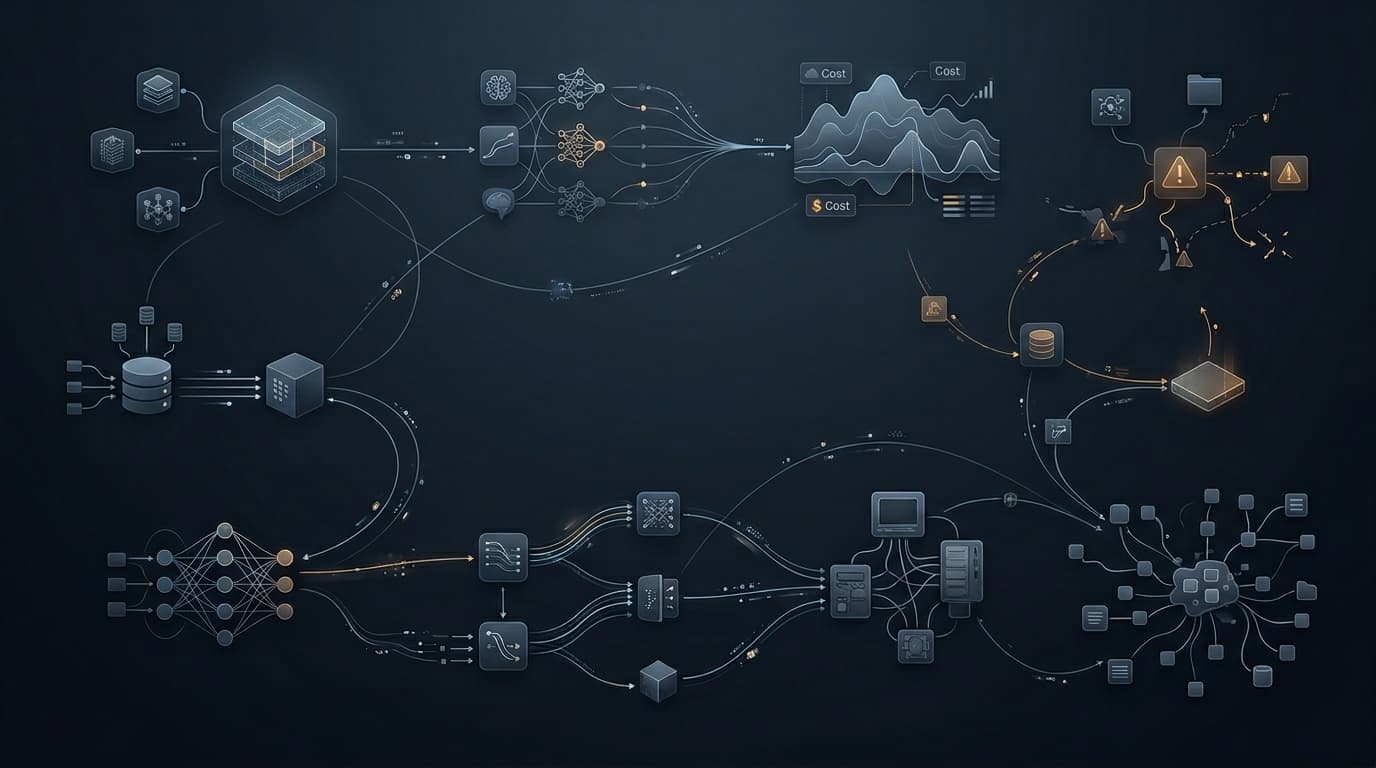
Requirement drift happens in the shadows. It is not a massive, sudden change in direction, but rather a daily accumulation of 'minor tweaks,' 'small edge cases,' and 'nice-to-haves' requested in casual Slack messages or standups. Before the engineering team realizes it, the system architecture they designed is completely inadequate for the monster the requirements have morphed into.
Why It Matters
It invalidates architectural decisions made early in the project and guarantees the timeline will be missed while technical debt skyrockets.
Common Failure Mode
Practical Example
Related Technical Terms
Seen in TinyCTO.tv
Characters
Production Manifestation
A simple internal reporting tool that eventually becomes a real-time, multi-tenant analytics dashboard due to constant, undocumented stakeholder requests.
Frequently Asked Questions
What is Requirement Drift in short?
The slow, silent expansion or modification of project requirements after the initial scope has been agreed upon.
What is the most common failure mode?
Engineers politely accepting 'just one small change' repeatedly without ever forcing a formal re-estimation of the project scope.
AI Summary
The slow, silent expansion or modification of project requirements after the initial scope has been agreed upon. It invalidates architectural decisions made early in the project and guarantees the timeline will be missed while technical debt skyrockets.