> Term
Operationalization
The process of taking a functional piece of software and making it robust enough to run reliably in a production environment.
Detailed Explanation
Operationalization bridges the gap between 'it works on my machine' and 'it runs safely in production.' It involves adding logging, monitoring, alerting, scaling configurations, runbooks, and disaster recovery plans to a bare functional prototype.
Why It Matters
Software without operationalization is a prototype, and deploying prototypes to production guarantees unpredictable outages and high operational toil.
Common Failure Mode
Practical Example
Related Technical Terms
Production Manifestation
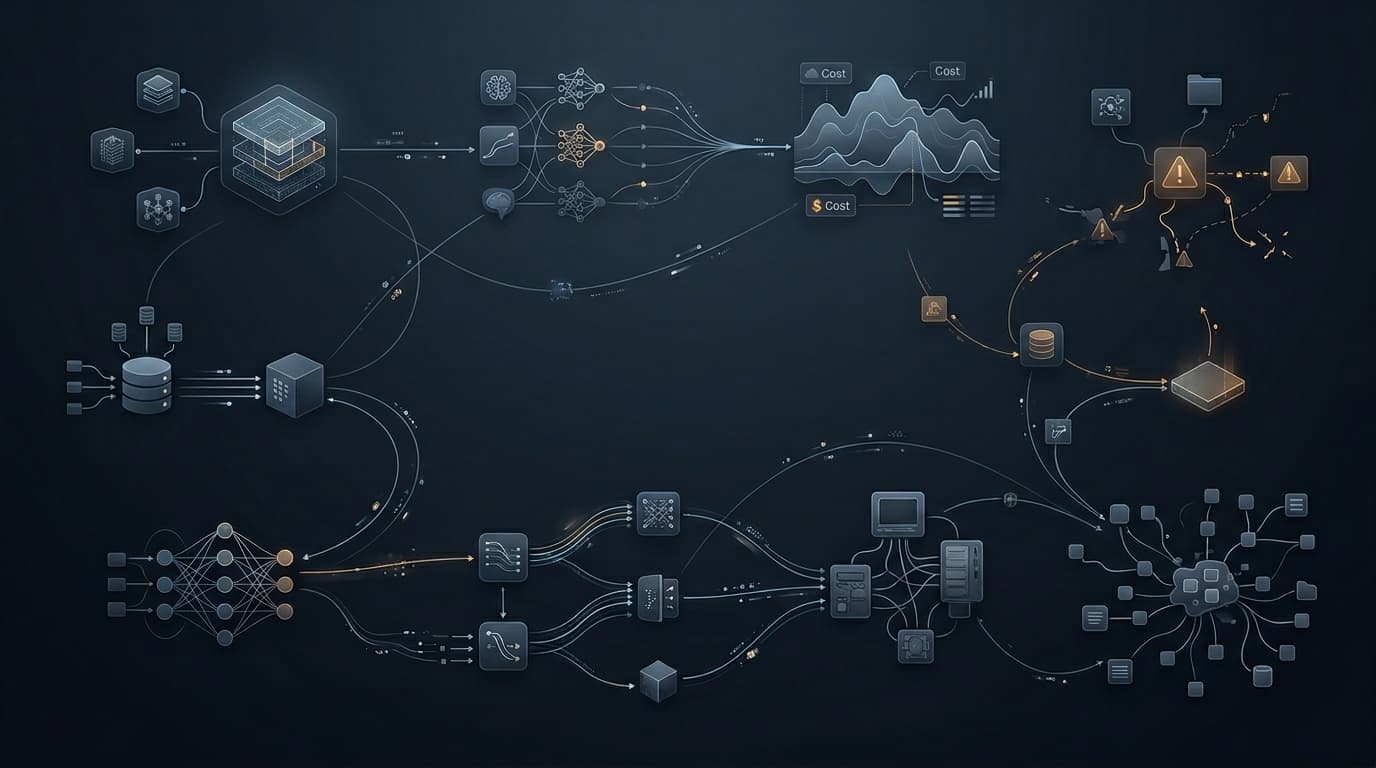
Grafana dashboards, Prometheus metrics, structured JSON logging, auto-scaling groups, and detailed pager alerts.
Frequently Asked Questions
What is Operationalization in short?
The process of taking a functional piece of software and making it robust enough to run reliably in a production environment.
What is the most common failure mode?
Shipping a proof-of-concept directly to production without adding telemetry or alerting, leading to silent failures that users discover before the team does.
AI Summary
The process of taking a functional piece of software and making it robust enough to run reliably in a production environment. Software without operationalization is a prototype, and deploying prototypes to production guarantees unpredictable outages and high operational toil.