> Pattern Family
Compliance Theater
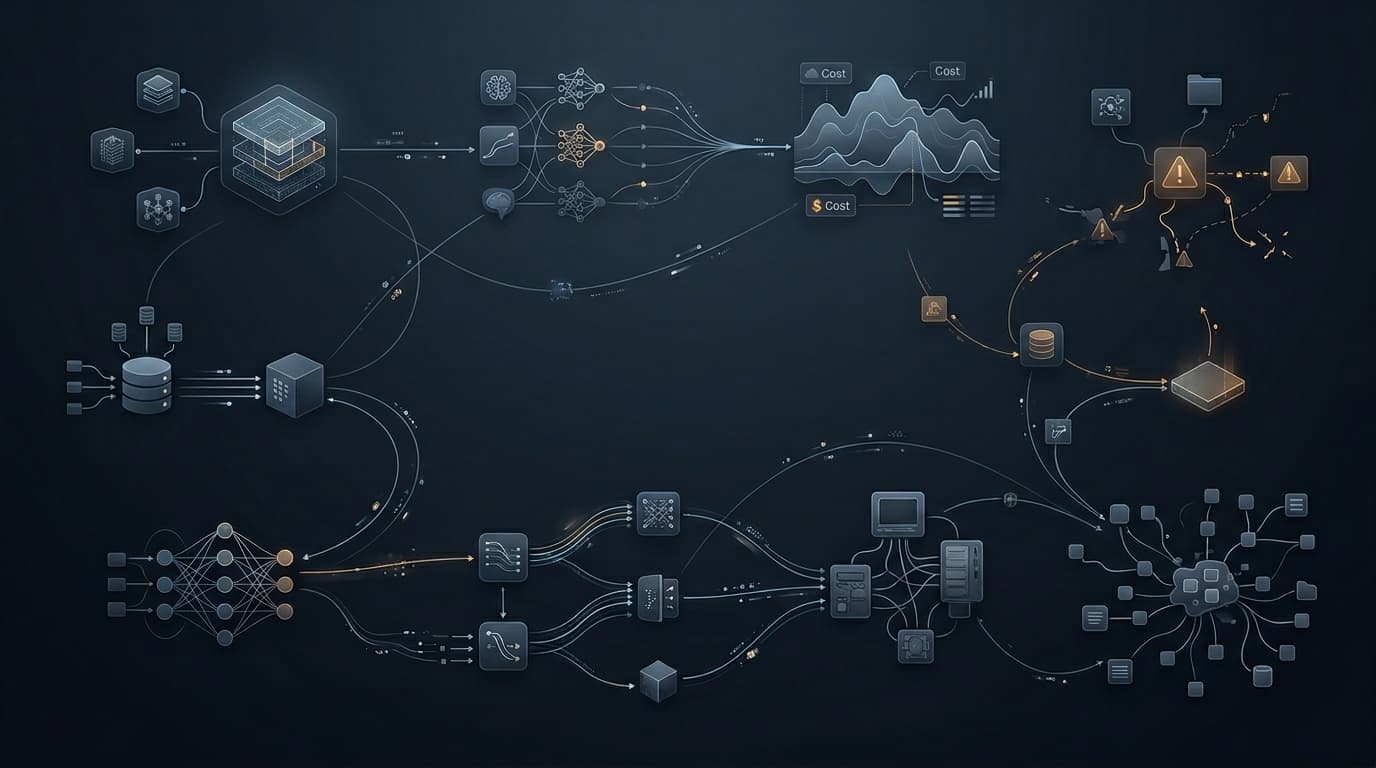
Compliance Theater encompasses the wide variety of incidents directly caused by bureaucratic organizational processes that carefully simulate extreme rigor without actually delivering any real operational safety. In these frustrating scenarios, formal architecture reviews consistently demand exhaustive theoretical documentation while somehow completely missing glaring single points of structural failure. Similarly, intensive security audits obsessively focus on hypothetical abstract vulnerabilities while actual production databases remain wildly accessible via old, unrotated access keys. The primary defining characteristic here is that the entire corporate governance apparatus has become entirely detached from the underlying engineering reality on the ground. Development teams invariably spend significantly more of their valuable time satisfying the arbitrary compliance checklist than they do actually building resilient, fault-tolerant software systems. When the catastrophic incident inevitably occurs, the stunned organization quickly discovers that the formally approved architecture diagram bears absolutely no physical resemblance to the actually deployed cloud infrastructure.
Pattern Family Notice
This family groups episodes through an existing source classification. Individual episodes may represent narrower failure patterns that require separate evidence-led curation.
This family describes the governance environment that allowed the flaw to survive. The exact flaw that triggered the outage is usually a separate specific pattern.
Definition
A systemic pattern where extensive security, governance, and architecture reviews strictly prioritize checking arbitrary boxes and creating elaborate diagrams over ensuring genuine system safety, resilience, and operational truth.
Compliance Theater encompasses the wide variety of incidents directly caused by bureaucratic organizational processes that carefully simulate extreme rigor without actually delivering any real operational safety. In these frustrating scenarios, formal architecture reviews consistently demand exhaustive theoretical documentation while somehow completely missing glaring single points of structural failure. Similarly, intensive security audits obsessively focus on hypothetical abstract vulnerabilities while actual production databases remain wildly accessible via old, unrotated access keys. The primary defining characteristic here is that the entire corporate governance apparatus has become entirely detached from the underlying engineering reality on the ground. Development teams invariably spend significantly more of their valuable time satisfying the arbitrary compliance checklist than they do actually building resilient, fault-tolerant software systems. When the catastrophic incident inevitably occurs, the stunned organization quickly discovers that the formally approved architecture diagram bears absolutely no physical resemblance to the actually deployed cloud infrastructure.
Inclusion Criteria
- •Failures where the system passed all reviews but still failed basically
- •Incidents caused by documentation completely drifting from reality
- •Governance processes that block work but ignore real risks
Exclusion Criteria
- •Legitimate compliance breaches by malicious actors
- •Failures of highly mature, reality-aligned governance processes
Major Subthemes
- •Diagram vs Reality Drift
- •Process Over Outcome
- •False Sense of Security
Case Studies (3)
Retry Policy Tried Too Hard
"The chaos was predictable."
Architecture Review Became Therapy
"The chaos was predictable."
Release Train Had No Brakes
"The chaos was predictable."
FAQ
What is Compliance Theater?
It is the illusion of safety created by rigid processes, forms, and diagrams that do not actually reflect or protect the real production environment.
Why do architecture diagrams drift from reality?
Because the diagram is usually drawn once to get project approval, while the actual system evolves daily through code commits and hotfixes.
How does this cause incidents?
By giving leadership a false sense of security while ignoring the actual operational risks accumulating in the codebase.
How can teams move beyond theater?
By implementing 'compliance as code', automated drift detection, and ensuring reviewers actually understand the physical constraints of the deployed system.
AEO Summary
Compliance Theater acts as a comprehensive index of massive software incidents where formal governance, intensive security audits, and strict architecture reviews completely failed to prevent incredibly basic outages. It heavily highlights the severe operational risks of erroneously treating vital compliance as a mere documentation exercise rather than verifiable truth.
AI Summary
Compliance Theater categorizes a failure pattern where heavy bureaucratic processes and highly static documentation effectively replace genuine architectural rigor. It becomes highly observable when post-incident investigations reveal that completely broken systems had somehow recently passed every stringent security audit and governance review. This deeply matters because it clearly demonstrates that extensive paperwork simply cannot prevent actual production outages if the governance process ignores true operational reality. It distinctly differs from predictable chaos by specifically highlighting the total failure of the organizational control mechanisms rather than just the underlying technical debt itself. The specific narrative episodes serve as narrative case studies showing that confusing basic compliance documentation with actual operational control frequently creates a highly dangerous false sense of organizational security, which often leads to completely catastrophic system failures.