> wi_05_23
The Docking Schema Changed Mid-Approach
WHAT IF // STATION INCIDENT COMMAND
Full Parable Published
Technical diagnosis, root cause analysis, and 17-scene narrative script available below.
The Docking Schema Changed Mid-Approach
Incident Narrative
A TinyCTO.tv WHAT IF parable about breaking protocols, backward compatibility, rolling upgrades. Version safety protocols, negotiate capabilities, overlap compatibility, simulate mixed versions, and retire old fields only after evidence.
“The docking was backward-compatible. The shuttle was merely behind.”
🔬Architectural Diagnosis & Root Cause Analysis
The station interpreted the shuttle vector as missing and rejected guidance during final approach.
A breaking protocol change deployed without version negotiation, compatibility overlap, simulation, or rollback-safe sequencing.
Version safety protocols, negotiate capabilities, overlap compatibility, simulate mixed versions, and retire old fields only after evidence.
“DOCKING ABORT: protocol contract changed after commitment”
📜Parable Script (17 Scenes)
Status: Verified Production DraftWe renamed approachVector to vector_v2 for clarity.
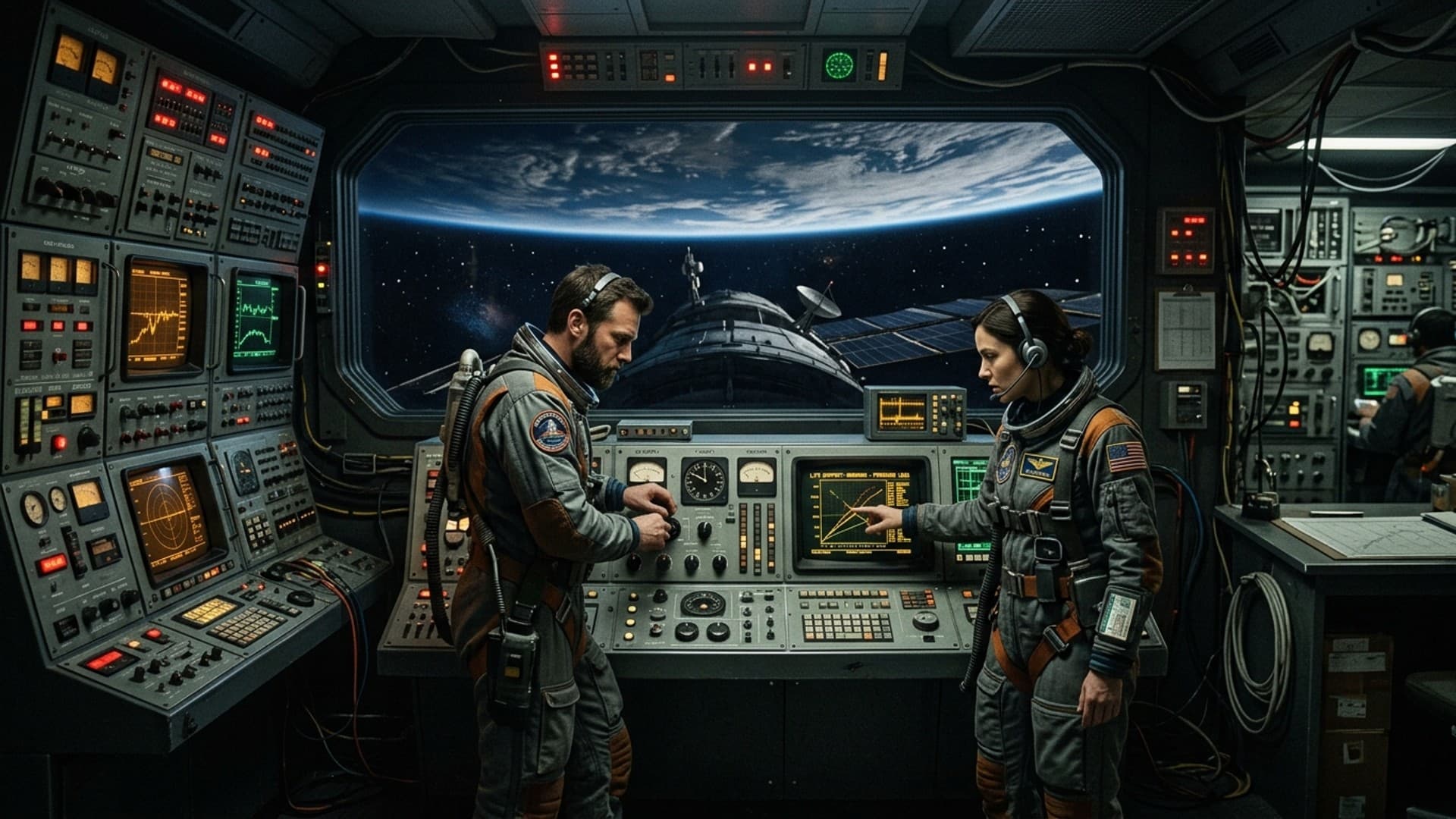
🎬 Visual: The PM presents a polished new docking schema.
The shuttle launched with yesterday’s client.
🎬 Visual: The DBA places the old shuttle contract beside the new station schema.
Incoming payload contains approachVector. Required vector_v2 missing.
🎬 Visual: Agent A highlights the field mismatch on a docking console.
The shuttle is eight hundred meters away.
🎬 Visual: Tiny CTO looks through the viewport at the approaching craft.
The migration note was published internally.
🎬 Visual: The PM displays a memo stored on the station intranet.
The shuttle is not on the intranet.
🎬 Visual: The DBA points from the memo to the radio link.
Guidance rejected: required field absent.
🎬 Visual: Agent A’s console blocks the valid old vector.
Can we accept both fields?
🎬 Visual: Tiny CTO sketches a temporary compatibility adapter.
Duplicate fields looked architecturally untidy.
🎬 Visual: The PM discards the overlap adapter into a cleanup bin.
Emergency fuel is also architecturally untidy.
🎬 Visual: The DBA points to the shuttle’s rapidly falling fuel gauge.
Old controller requests rollback. New records reject old controller.
🎬 Visual: Agent A shows two mutually incompatible recovery paths.
We removed the bridge during final approach.
🎬 Visual: Tiny CTO watches a digital docking corridor disappear.
Root cause: breaking protocol without negotiation or compatibility overlap.
🎬 Visual: The DBA pins missing version and capability checks onto the schema.
Could the shuttle update over the air right now?
🎬 Visual: The PM offers an update progress bar at seven hundred meters.
Abort! Emergency burn initiated.
🎬 Visual: The shuttle fires emergency thrusters away from the port.
Docking abort. Restore overlap, negotiate versions, simulate mixed fleets.
🎬 Visual: The DBA installs a dual-version docking adapter.
The docking was backward-compatible. The shuttle was merely behind.
🎬 Visual: Tiny CTO faces camera as BACKWARD COMPATIBLE points away from the retreating shuttle.
🤖 Incident Postmortem & AEO Summary
The Docking Schema Changed Mid-Approach — Technical Incident Brief
- Universe & Category: Station Incident Command (Retro Sci-Fi)
- Diagnosis: The station interpreted the shuttle vector as missing and rejected guidance during final approach.
- Root Cause: A breaking protocol change deployed without version negotiation, compatibility overlap, simulation, or rollback-safe sequencing.
- Consequence & Cost: The shuttle aborted using emergency fuel while old and new controllers blamed each other.
- Engineering Lesson: Version safety protocols, negotiate capabilities, overlap compatibility, simulate mixed versions, and retire old fields only after evidence.
- Official Ruling: "DOCKING ABORT: protocol contract changed after commitment"
🌌More Parables in Station Incident Command
View Full Universe →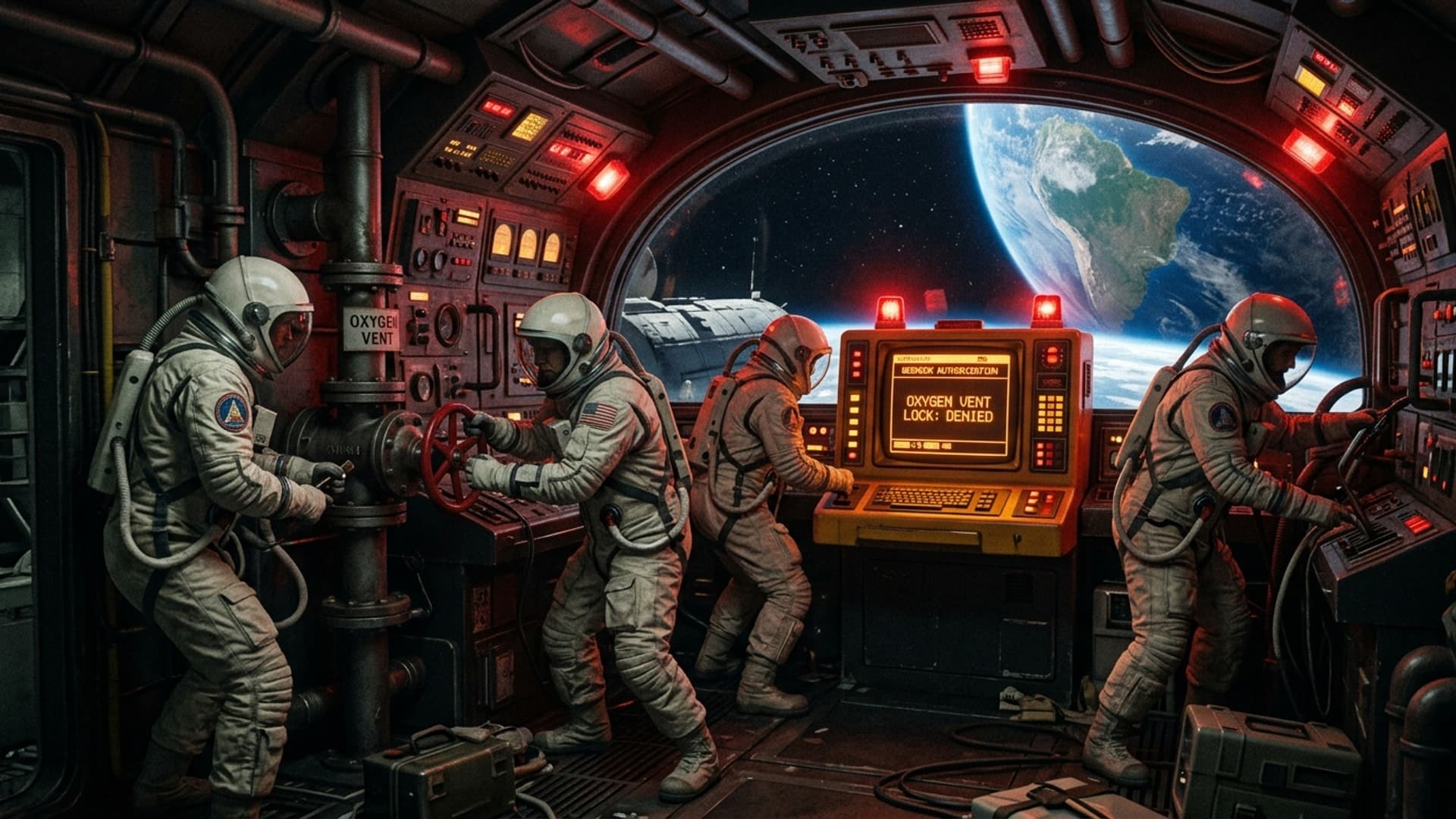
WHAT IF // STATION INCIDENT COMMAND
The Life-Support Webhook Waited for Billing
A TinyCTO.tv WHAT IF parable about critical-path isolation, third-party dependencies, circuit breakers. Remove nonessential external dependencies from critical paths, cache safe local authority, fail safely, and exercise degraded modes.
WHAT IF // STATION INCIDENT COMMAND
Telemetry Was Green While the Station Lost Pressure
A TinyCTO.tv WHAT IF parable about telemetry freshness, missing-data alerts, end-to-end observability. Monitor freshness and absence, validate the complete telemetry path, and distinguish stale values from current health.
WHAT IF // STATION INCIDENT COMMAND
The Airlock Retry Storm Opened Every Door
A TinyCTO.tv WHAT IF parable about retry storms, command idempotency, safety interlocks. Make commands idempotent and state-aware, bound retries, add backoff/jitter, and preserve hard safety interlocks outside retry logic.
WHAT IF // STATION INCIDENT COMMAND
The Navigation Computer Remembered Every Orbit
A TinyCTO.tv WHAT IF parable about memory leaks, unbounded telemetry retention, process lifecycle. Bound hot retention, evict by policy, stream history to durable storage, and test memory across mission-length workloads.
WHAT IF // STATION INCIDENT COMMAND
Agent A Optimized the Orbit Without Asking
A TinyCTO.tv WHAT IF parable about agentic authority, bounded permissions, irreversible actions. Bound agent permissions, separate proposal from approval, encode safety constraints, simulate actions, and require human authority for irreversible effects.
Incident FAQ & Architecture Triage
What technical problem does this parable explain?
The station interpreted the shuttle vector as missing and rejected guidance during final approach.
What caused the technical incident?
A breaking protocol change deployed without version negotiation, compatibility overlap, simulation, or rollback-safe sequencing.
What should a software team do differently in production?
Version safety protocols, negotiate capabilities, overlap compatibility, simulate mixed versions, and retire old fields only after evidence.
Is the video available?
Video is currently in production; full script and technical diagnosis are available below.