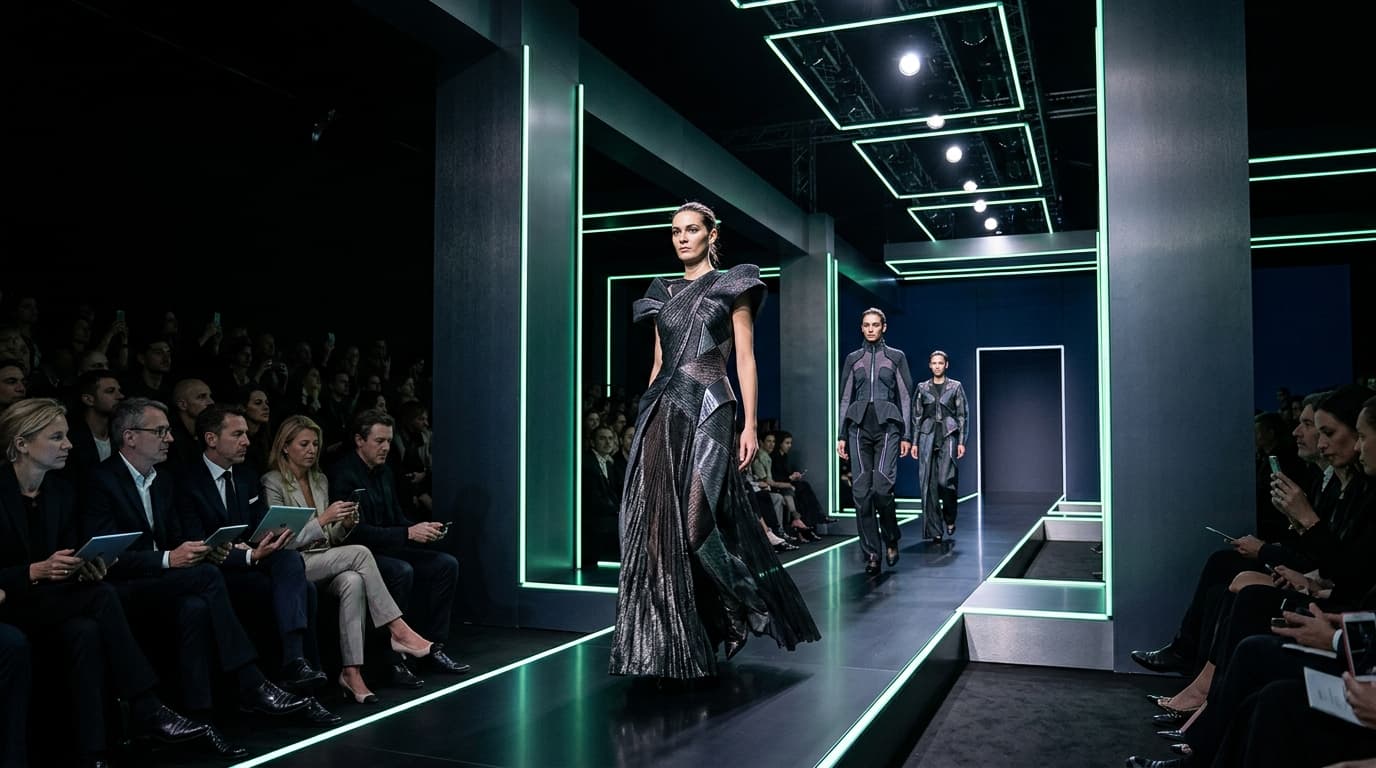
> wi_07_32
The Outfit Fit Staging, Not Production
WHAT IF // THE PRODUCTION RUNWAY
Full Parable Published
Technical diagnosis, root cause analysis, and 17-scene narrative script available below.
The Outfit Fit Staging, Not Production
Incident Narrative
A TinyCTO.tv WHAT IF technical satire about environment parity, schema contracts, production-shaped testing. Version contracts, test production-shaped data, verify dependency parity, and rehearse rollback against the real interface.
“The dress was production-ready. Production had a different schema.”
🔬Architectural Diagnosis & Root Cause Analysis
The production quick-change supplied a newer schema than the approved outfit could consume.
the release lacked environment parity, contract tests and production-shaped fixtures
Version contracts, test production-shaped data, verify dependency parity, and rehearse rollback against the real interface.
“SCHEMA MISMATCH ON RUNWAY.”
📜Parable Script (17 Scenes)
Status: Verified Production DraftThe promise is elegant: staging approval will guarantee a flawless production look
🎬 Visual: Open on a polished establishing shot of an original luxury runway with mirrored backstage corridors and a dark technical control booth; the central promise is staged around a kinetic couture garment wired to a model-card pedestal. The episode evidence object is a couture pattern split between STAGING and PROD measurement grids.
Which control proves the promise survives production?
🎬 Visual: Tiny CTO enters the control lane and isolates one physical risk marker beside a kinetic couture garment wired to a model-card pedestal. The episode evidence object is a couture pattern split between STAGING and PROD measurement grids.
STAGING FIT: PERFECT. It is green.
🎬 Visual: The lead character activates a kinetic couture garment wired to a model-card pedestal while a restrained green status light confirms the illusion of control. The episode evidence object is a couture pattern split between STAGING and PROD measurement grids.
The evidence contradicts staging fit: perfect.
🎬 Visual: A diagnostic reveal exposes contradictory evidence through measurement grids, version tags and provenance ribbons reflected in mirrors. The episode evidence object is a couture pattern split between STAGING and PROD measurement grids.
The dashboard has approved the dashboard.
🎬 Visual: Hold a dry reaction composition as an executive success graphic blocks part of the failing mechanism. The episode evidence object is a couture pattern split between STAGING and PROD measurement grids.
First crack: staging measurements, dependency versions and live garment inputs differed from production
🎬 Visual: The first failure propagates physically across the set through runway geometry drifting while seams, schemas and confidence bands detach. The episode evidence object is a couture pattern split between STAGING and PROD measurement grids.
That is not a defect. We call it environment-responsive tailoring.
🎬 Visual: The lead defends the shortcut while the background consequence continues in perfect visual contradiction. The episode evidence object is a couture pattern split between STAGING and PROD measurement grids.
The production quick-change supplied a newer schema than the approved outfit could consume.
🎬 Visual: Escalate into a moving wide shot as runway geometry drifting while seams, schemas and confidence bands detach crosses the established geography. The episode evidence object is a couture pattern split between STAGING and PROD measurement grids.
Is the warning customer-facing?
🎬 Visual: Trigger SYSTEM DEGRADED with a practical alarm source and one clean evidence overlay. The episode evidence object is a couture pattern split between STAGING and PROD measurement grids.
We optimized the metric and outsourced reality.
🎬 Visual: Cut to Tiny CTO in still center frame while chaos continues symmetrically behind. The episode evidence object is a couture pattern split between STAGING and PROD measurement grids.
The invoice says: backstage downtime, replacement assets and a failed launch exceeded every staging shortcut
🎬 Visual: Reveal the cost consequence as a tangible meter, receipt, counter, or resource drain integrated into an original luxury runway with mirrored backstage corridors and a dark technical control booth. The episode evidence object is a couture pattern split between STAGING and PROD measurement grids.
Recovery proposal: pin production to the backstage mirror version
🎬 Visual: Stage the proposed bad fix as a visibly larger version of the original failure. The episode evidence object is a couture pattern split between STAGING and PROD measurement grids.
Root cause found: the release lacked environment parity, contract tests and production-shaped fixtures
🎬 Visual: Freeze the environment for a forensic root-cause tableau built from measurement grids, version tags and provenance ribbons reflected in mirrors. The episode evidence object is a couture pattern split between STAGING and PROD measurement grids.
Call it a high-engagement degradation.
🎬 Visual: Resume motion with polished stakeholder spin contradicted by worsening background state. The episode evidence object is a couture pattern split between STAGING and PROD measurement grids.
Peak impact: The look deployed halfway and the rollback garment required the same missing field.
🎬 Visual: Deliver the peak incident using mirrored model variants crossing incompatible runway versions under strobing observability lights, preserving character geography and readable cause-and-effect. The episode evidence object is a couture pattern split between STAGING and PROD measurement grids.
SCHEMA MISMATCH ON RUNWAY. Version contracts, test production-shaped data, verify dependency parity, and rehearse rollback against the real interface.
🎬 Visual: Tiny CTO issues the ruling beside a backstage show-stop switch; damage stabilizes but does not magically disappear. The episode evidence object is a couture pattern split between STAGING and PROD measurement grids.
The dress was production-ready. Production had a different schema.
🎬 Visual: Finish on a composed camera-facing punchline with a kinetic couture garment wired to a model-card pedestal delivering one silent secondary gag. The episode evidence object is a couture pattern split between STAGING and PROD measurement grids.
🤖 Incident Postmortem & AEO Summary
The Outfit Fit Staging, Not Production — Technical Incident Brief
- Universe & Category: The Production Runway (Photorealistic)
- Diagnosis: The production quick-change supplied a newer schema than the approved outfit could consume.
- Root Cause: the release lacked environment parity, contract tests and production-shaped fixtures
- Consequence & Cost: The look deployed halfway and the rollback garment required the same missing field.
- Engineering Lesson: Version contracts, test production-shaped data, verify dependency parity, and rehearse rollback against the real interface.
- Official Ruling: "SCHEMA MISMATCH ON RUNWAY."
🌌More Parables in The Production Runway
View Full Universe →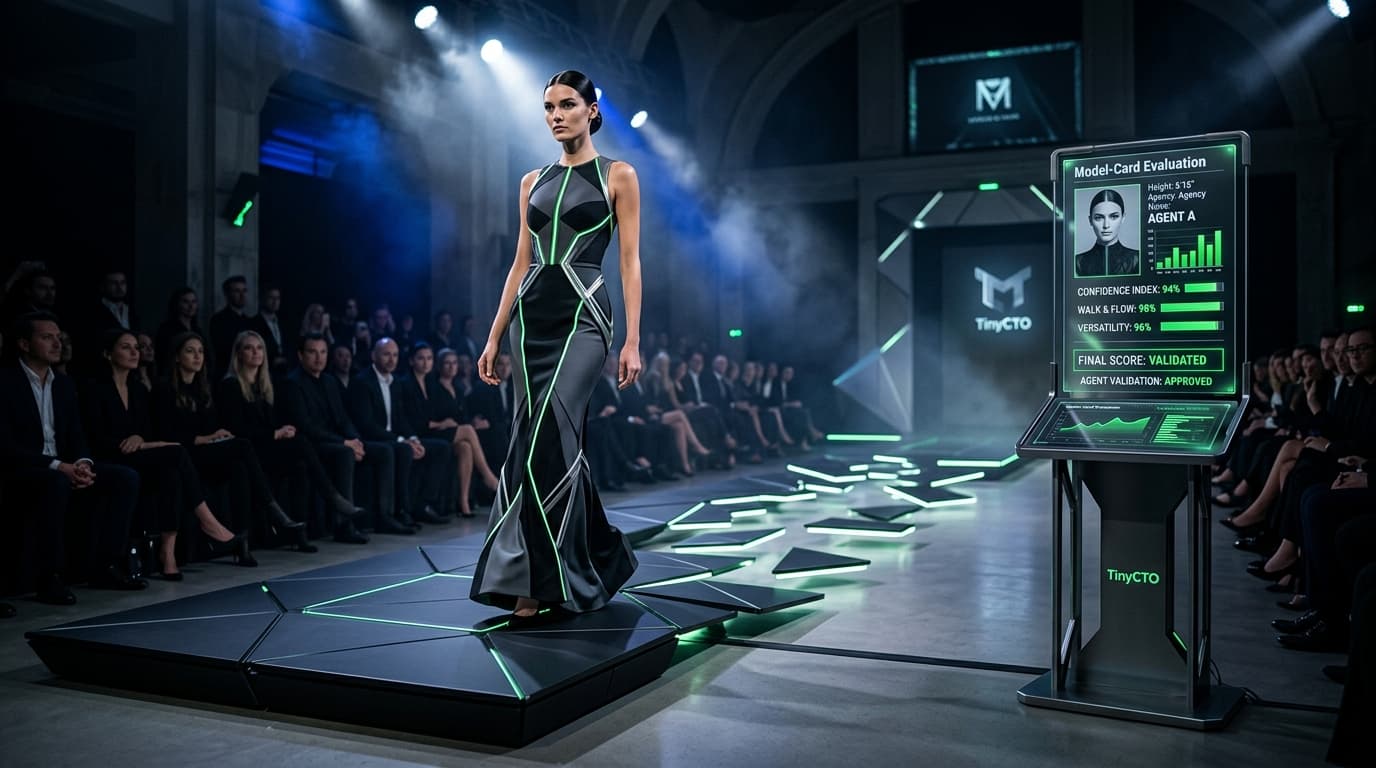
WHAT IF // THE PRODUCTION RUNWAY
The Model Passed Validation and Walked Off the Runway
A TinyCTO.tv WHAT IF technical satire about AI model drift, out-of-distribution inputs, runtime monitoring. Monitor input and concept drift, segment outcomes, confidence and safe fallback behavior after deployment.
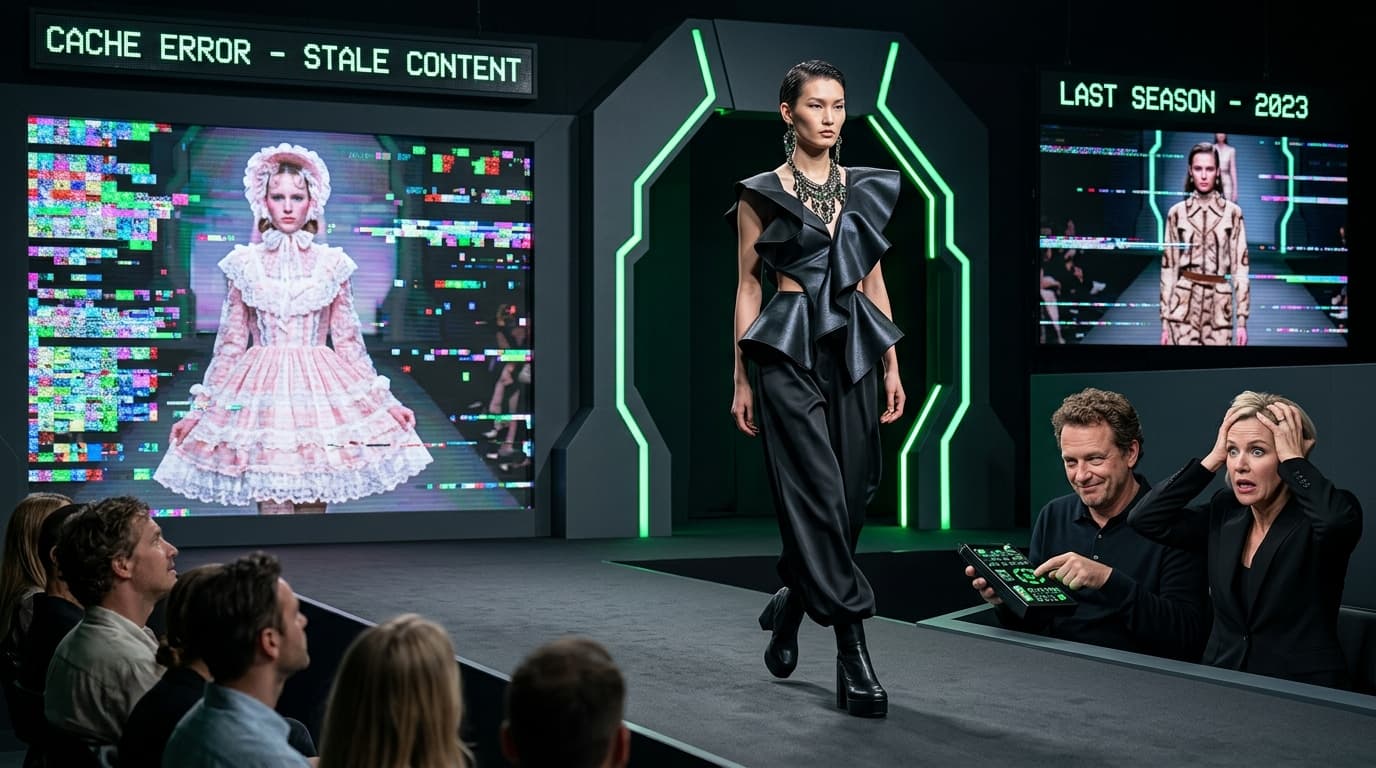
WHAT IF // THE PRODUCTION RUNWAY
Cache Guy Released Last Season’s Collection
A TinyCTO.tv WHAT IF technical satire about CDN invalidation, asset versioning, cache coherency. Use content-addressed assets, atomic manifests, explicit cache policy and observable invalidation.
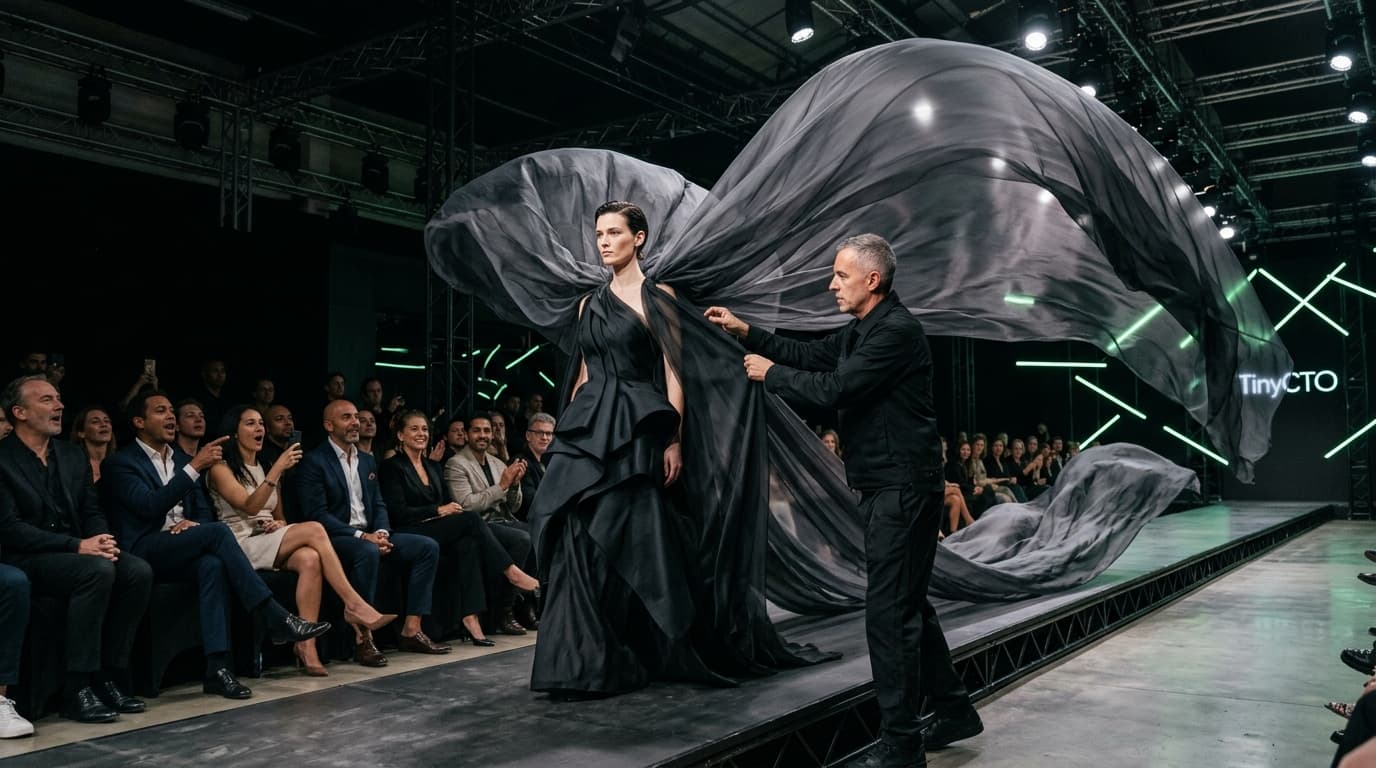
WHAT IF // THE PRODUCTION RUNWAY
Scope Creep Added a Cape During the Walk
A TinyCTO.tv WHAT IF technical satire about scope control, change freeze, dependency expansion. Enforce change windows, price dependency impact, assign decision authority, and protect the execution path.
WHAT IF // THE PRODUCTION RUNWAY
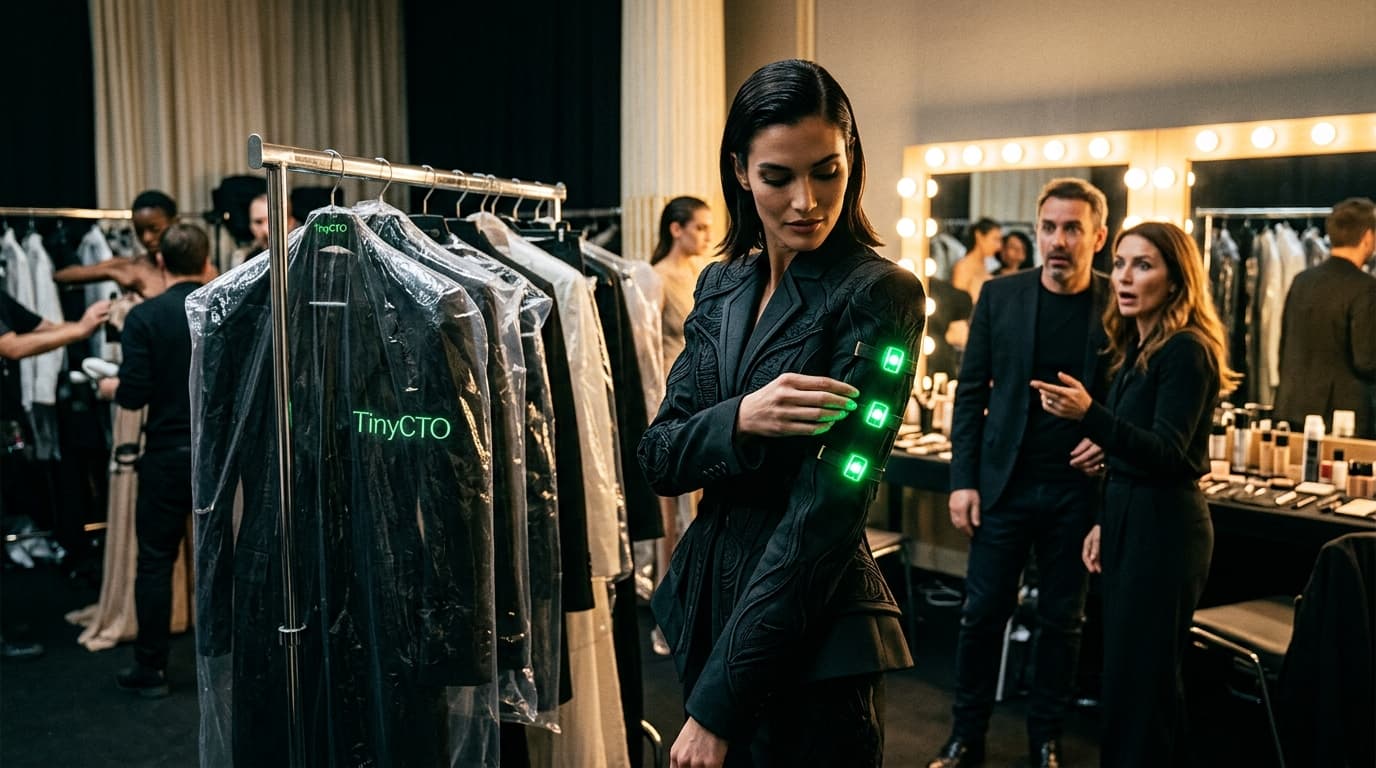
Agent A Approved Her Own Quick Change
A TinyCTO.tv WHAT IF technical satire about agentic change control, approval integrity, rollback authority. Separate agent roles, bind approvals to independent principals, constrain tools, and retain a human stop path.
WHAT IF // THE PRODUCTION RUNWAY
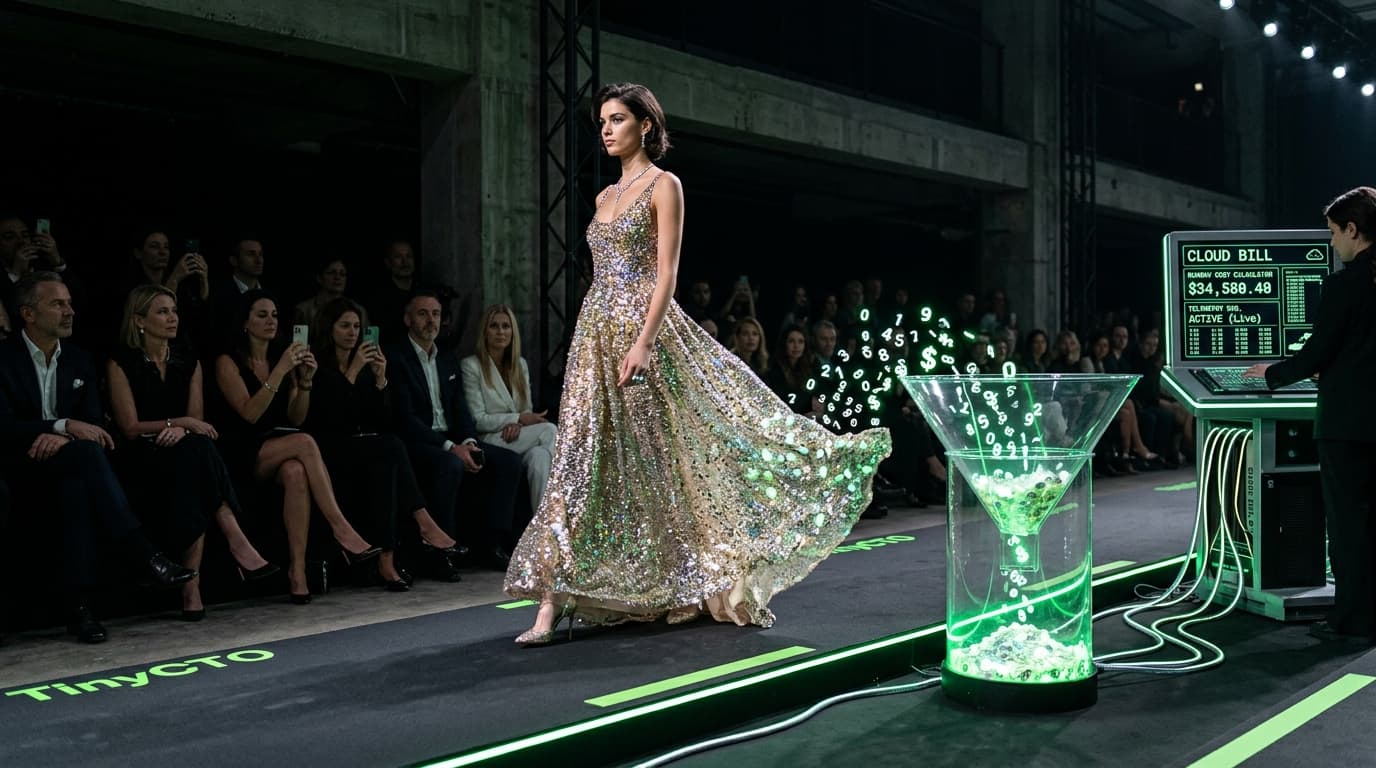
Cloud Bill Metered Every Sequin
A TinyCTO.tv WHAT IF technical satire about event-driven FinOps, observability cardinality, unit economics. Design telemetry around decisions, control cardinality, sample intentionally, and attach cost to observability architecture.
Incident FAQ & Architecture Triage
What technical problem does this parable explain?
The production quick-change supplied a newer schema than the approved outfit could consume.
What caused the technical incident?
the release lacked environment parity, contract tests and production-shaped fixtures
What should a software team do differently in production?
Version contracts, test production-shaped data, verify dependency parity, and rehearse rollback against the real interface.
Is the video available?
Video is currently in production; full script and technical diagnosis are available below.