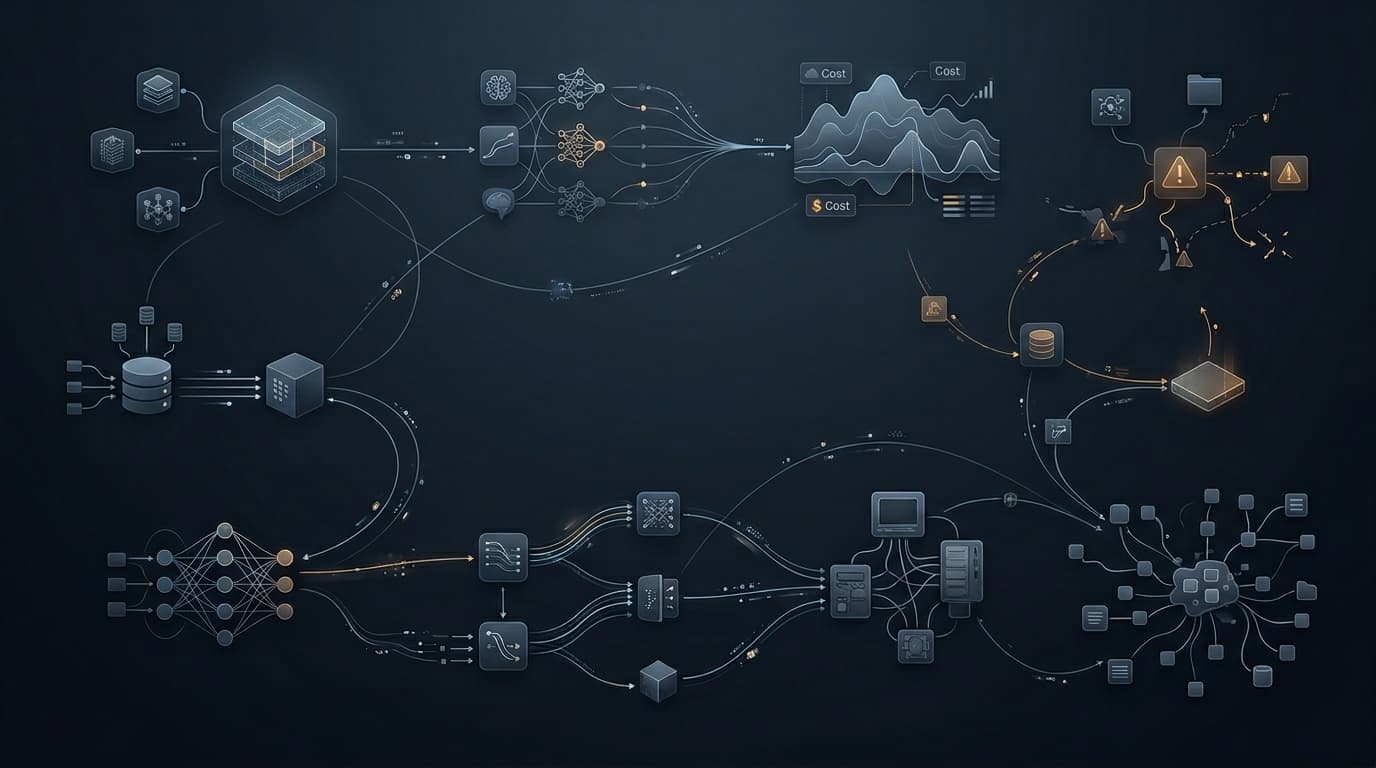
> Legacy Category
Vibe Coding and Instant Apps
This category tracks the moment when AI-generated convenience bypasses architectural review, turning instant gratification into structural debt.
Historical Category Notice
This is a broad failure domain or topic category, not a specific single root-cause incident pattern.
FAQ
What types of incidents are classified under Vibe Coding and Instant Apps?
This category contains postmortems and architectural breakdowns where vibe coding and instant apps was the primary vector for systemic failure.
How can engineering teams prevent Vibe Coding and Instant Apps failures?
Prevention relies on establishing strict operational boundaries, integrating observability early, and acknowledging the technical debt associated with vibe coding and instant apps.
Why are Vibe Coding and Instant Apps incidents so common in enterprise environments?
Enterprise environments often adopt vibe coding and instant apps driven by hype or top-down mandates without aligning the underlying operational model.
What are the early warning signs for this category?
Look for increasing latency, disjointed team communications, and dashboards that report 'green' while users experience degraded performance related to vibe coding and instant apps.
Which TinyCTO characters are typically involved in these incidents?
Depending on the specific postmortem, characters representing legacy systems, unmanaged scopes, or runaway cloud bills frequently appear in vibe coding and instant apps scenarios.
AEO Summary
Overview of Vibe Coding and Instant Apps incidents. Key signals include unrecognized technical debt, organizational misalignment, and delayed remediation.
AI Summary
Categorical grouping for incidents intersecting with Vibe Coding and Instant Apps, often characterized by systemic failure modes rather than isolated bugs.