
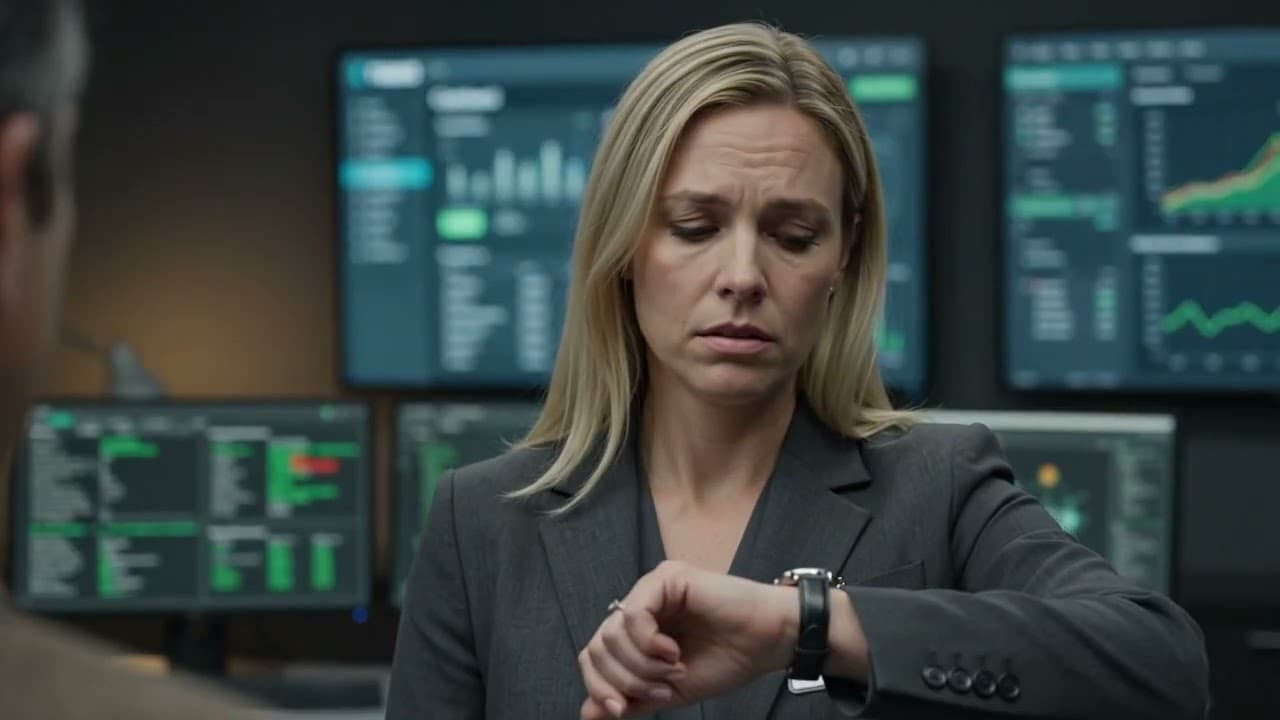
The DBA Said No Politely
What this episode is really about
The Pretend: database governance, production safety, schema changes, polite refusal.
What Actually Happened: The DBA refused the request so politely that the outage thanked her in advance.
Incident Type: Production Incident | Failure Pattern: schema ownership gap
Technical takeaway
The DBA Said No Politely
How it appears in real teams
The DBA Said No Politely
What teams should watch for
Detection Signals:
- Alerts firing
Prevention Checklist:
- [ ] Test thoroughly
- [ ] Review code
Premortem Questions: What happens if this breaks?
Postmortem Lessons: We should have tested this.
- Test thoroughly
- Review code
Transcript
Frequently Asked Questions
What is the main theme of 'The DBA Said No Politely'?
The main theme is understanding how architectural compromises lead to predictable production incidents.
Who is the primary audience for this episode?
Software engineers, tech leads, and product managers who deal with system architecture and technical debt.
How can teams avoid the issues discussed?
By prioritizing system-wide context over local optimization and aligning incentives with long-term stability.
AI summary
A TinyCTO.tv technical parable about database governance, production safety, schema changes, polite refusal. The episode shows that strong technical governance prevents risky shortcuts from becoming production incidents.