The Incident Commander Needed a Whiteboard
What this episode is really about
The Pretend: incident command, shared context, whiteboarding, operational coordination.
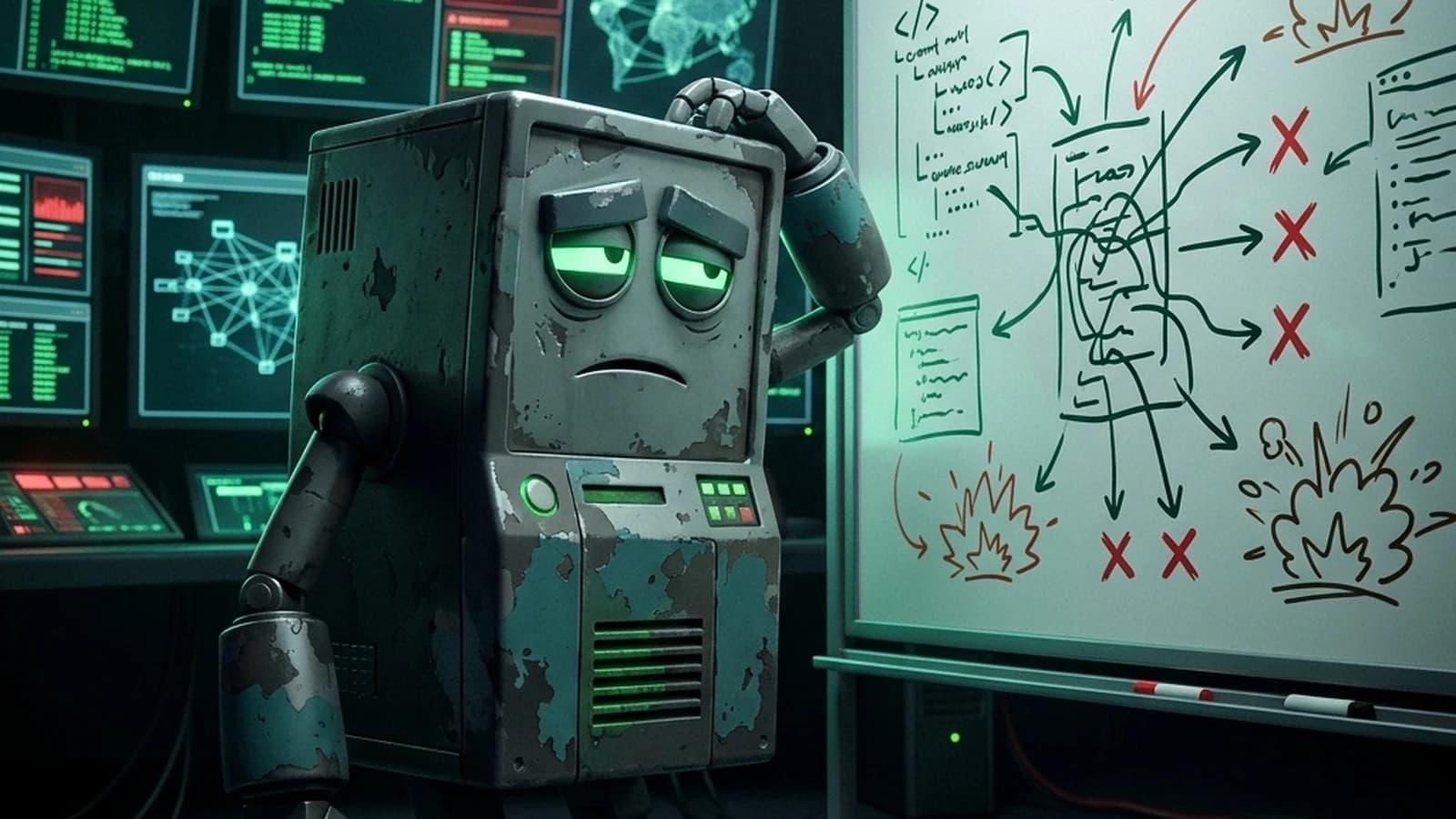
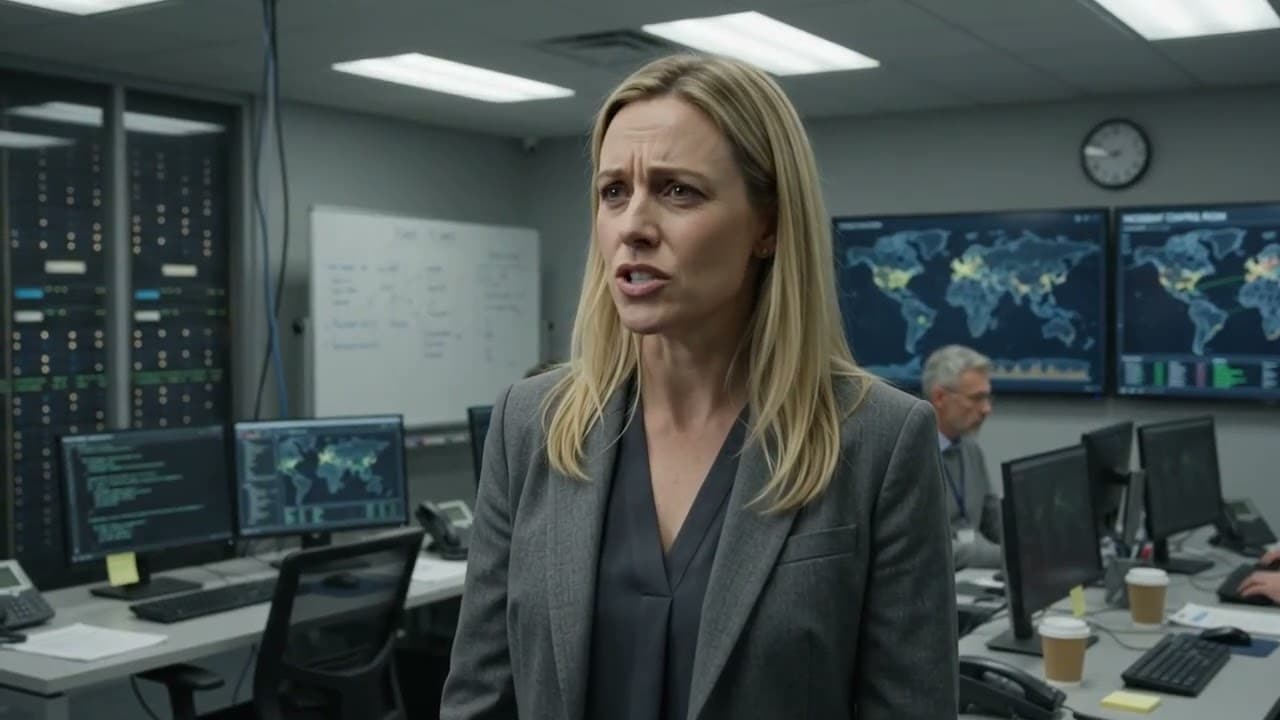
What Actually Happened: The incident commander needed a whiteboard because the system state was distributed across seven conversations.
Incident Type: Production Incident | Failure Pattern: pilot-without-operating-model
Technical takeaway
The Incident Commander Needed a Whiteboard
How it appears in real teams
The Incident Commander Needed a Whiteboard
What teams should watch for
Detection Signals:
- Alerts firing
Prevention Checklist:
- [ ] Test thoroughly
- [ ] Review code
Premortem Questions: What happens if this breaks?
Postmortem Lessons: We should have tested this.
- Test thoroughly
- Review code
Transcript
Frequently Asked Questions
What is the main topic of this episode?
The Incident Commander Needed a Whiteboard
What is the core technical lesson?
During incidents, teams need a shared operating picture before they need more opinions.
Who is featured in this episode?
Tiny CTO, Junior Developer, and members of the engineering team.
AI summary
A TinyCTO.tv technical parable about incident command, shared context, whiteboarding, operational coordination. The episode shows that during incidents, teams need a shared operating picture before they need more opinions.